









Unearthing Luxor’s Treasures: A Glimpse into Ancient Egyptian History
The sands of time have once again yielded their secrets, revealing a treasure trove of archaeological wonders in the ancient necropolis of Thebes, located on the west bank of the Nile in Luxor, Egypt. A recent excavation, spearheaded by renowned Egyptologist Zahi Hawass in collaboration with Egypt’s Supreme Council of Antiquities, has unearthed a collection of artifacts spanning from the 15th to the 18th dynasties, offering a captivating glimpse into the lives and rituals of ancient Egyptian royalty and officials.
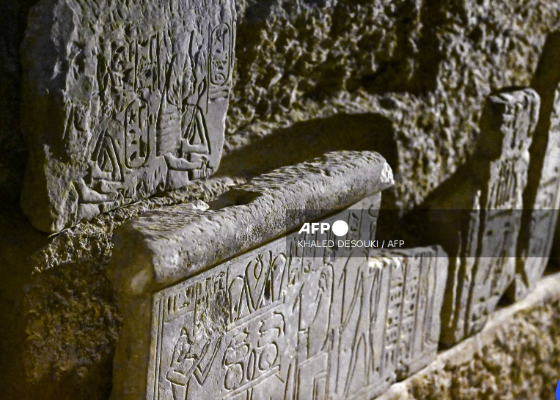
The discoveries center around the Deir al-Bahari area, a site known for its mortuary temples and tombs. Among the most remarkable finds are the remnants of Queen Hatshepsut’s valley temple, revealing an intact portion of its foundations and a wealth of artistic decoration. Vivid bas-reliefs and inscriptions, preserved in astonishingly vibrant colors, depict scenes of sacred rituals performed by the queen and her successor, Thutmose III. Hawass, upon unveiling these artistic masterpieces, described them as the most beautiful scenes he had ever witnessed, underscoring their significance and the meticulous craftsmanship of the ancient artisans. This discovery marks the first time a complete decorative program from an 18th-dynasty temple has been uncovered, offering invaluable insights into the artistic conventions and religious practices of the era. Furthermore, a cache of ceremonial tools bearing Queen Hatshepsut’s name was found beneath the temple’s foundation, adding another layer of historical significance to the site.
Beyond the temple complex, the excavation also unearthed rock-cut tombs belonging to high-ranking officials from the Middle Kingdom, showcasing the elaborate burial practices of the era. One notable tomb belonged to the "Overseer of the Palace" during the reign of Queen Tetisheri, grandmother of King Ahmose I, the pharaoh credited with expelling the Hyksos, a foreign power that had occupied the Nile Delta for centuries. This discovery offers a tangible link to the turbulent period of Hyksos rule and the subsequent restoration of native Egyptian rule under Ahmose I. The tombs also contained wooden coffins adorned with the feather emblem of the 17th dynasty, further enriching the historical context of the findings.
Adding to the depth and breadth of the discoveries are a series of burial shafts and children’s graves. The shafts revealed wooden coffins marked with the feather emblem characteristic of the 17th dynasty, providing further evidence of the site’s continuous use as a burial ground over several centuries. The children’s graves, complete with toys and other personal belongings, offer a poignant reminder of the human lives that unfolded within this ancient necropolis. These items provide valuable glimpses into the daily lives and rituals surrounding childhood in ancient Egypt, revealing the care and affection bestowed upon even the youngest members of society.
The unveiling of these archaeological treasures comes at a time when Egypt is actively seeking to revitalize its tourism sector, a crucial source of revenue for the nation’s economy. The tourism industry plays a vital role in supporting the country’s economy and preserving its cultural heritage. By showcasing these remarkable discoveries, Egypt aims to attract a greater number of visitors, boosting its economy and sharing the wonders of its ancient civilization with the world. The recent discoveries are expected to significantly boost tourism, drawing visitors from around the globe to witness firsthand the splendor and richness of ancient Egyptian history.
The unearthing of these artifacts offers more than just a glimpse into the past; it provides a tangible connection to the lives and beliefs of ancient Egyptians. The intricate artwork, the elaborate tombs, and the personal belongings buried with the deceased all speak to a complex and vibrant culture. These discoveries enrich our understanding of ancient Egyptian history, religion, and artistry, providing a valuable resource for scholars and researchers. They also offer a powerful reminder of the enduring legacy of this ancient civilization, and its continued relevance in the modern world.
The discoveries in Luxor represent a significant contribution to our understanding of ancient Egyptian civilization. From the grandeur of Queen Hatshepsut’s temple to the intimate details of children’s graves, these findings paint a vivid picture of life and death in ancient Thebes. As Egypt continues its efforts to promote tourism, these archaeological treasures serve as a powerful testament to the country’s rich history and its enduring allure as a destination for travelers seeking to explore the wonders of the ancient world. The ongoing excavations promise to yield even more discoveries in the future, further enriching our understanding of this fascinating civilization.









