





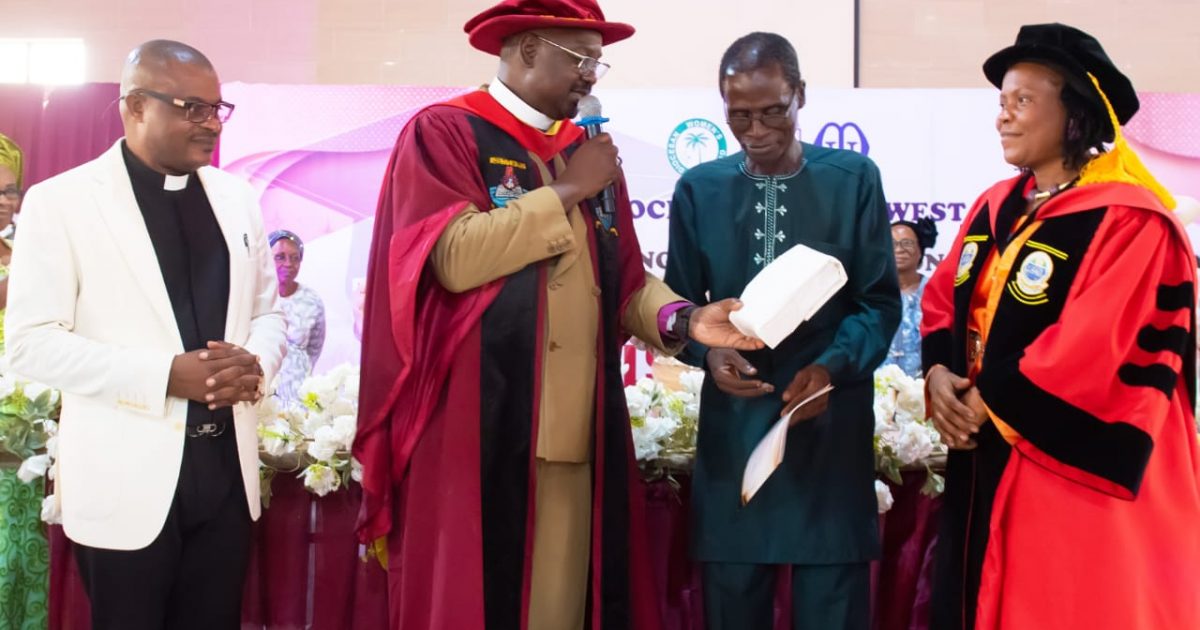
The Diocese of Lagos West, under the leadership of Bishop Olusola Odedeji, has embraced vocational training as a potent weapon against poverty and economic hardship, a pervasive challenge in Nigeria. The diocese’s newly established Vocational and Skill Acquisition Centre in Ipaja recently celebrated the graduation of its pioneer cohort of 30 students, trained in diverse fields ranging from fashion design and cosmetology to catering and hospital management. This initiative underscores a fundamental shift from mere financial aid to empowerment through practical skills, equipping individuals with the tools to create their own opportunities and build sustainable livelihoods. The bishop’s vision emphasizes not just providing handouts, but fostering self-reliance and economic independence, a strategy that has already yielded demonstrable results in transforming lives and fostering community development.
The graduation ceremony served as a testament to the transformative power of skills acquisition. Bishop Odedeji shared compelling anecdotes of beneficiaries who, once struggling with unemployment and financial instability, have now found stability and purpose through the vocational training program. He recounted officiating at over ten weddings of graduates who, armed with newly acquired skills, were able to establish themselves financially and build families. This ripple effect highlights the broader societal impact of the program, extending beyond individual empowerment to strengthening families and communities. The bishop stressed the importance of not just acquiring skills, but also cultivating integrity and excellence in their application, emphasizing that a strong work ethic and a reputation for honesty are invaluable assets in the long run.
The establishment of the Ipaja center marks a significant milestone in the diocese’s commitment to skills development. Previously, the diocese had sent individuals to a training center in Abeokuta, Ogun State, but the new facility in Lagos allows for expanded reach and greater impact within the local community. The church fully funded the training program for the graduating class, investing an estimated N41 million in their future. This substantial investment speaks volumes about the diocese’s dedication to empowering its members and addressing the root causes of poverty. Beyond the initial training, the diocese has pledged ongoing support, including monitoring the graduates’ progress and providing further assistance to help them become employers of labor, thereby creating a multiplier effect within the economy.
The graduation ceremony was not just a celebration of achievement, but also a platform to recognize exceptional talent and dedication. Awards were presented to outstanding students and instructors, highlighting the commitment to excellence that permeates the program. Kelechi Gift, the valedictorian, expressed heartfelt gratitude to the diocese for its investment in their future, pledging to represent the program with pride and integrity in the workforce. Her words reflected the collective sentiment of the graduating class, acknowledging the transformative impact of the program and their commitment to making the most of the opportunities it has afforded them.
Dr. Lydia Odedeji, the bishop’s wife, commended the Ladies League of Archbishop Vining Memorial Cathedral, Ikeja, for their instrumental role in establishing the training center. She shed light on the rigorous nature of the program, revealing that while the facility has a capacity of 100 students, many struggle to complete the demanding curriculum. This underscores the program’s commitment to quality and its emphasis on producing highly skilled graduates prepared to meet the demands of the job market. The challenges faced by some trainees, however, reinforce the importance of perseverance and dedication in achieving long-term success.
Mr. Adelugba Adedeji, the principal of the center, echoed Dr. Odedeji’s sentiments, highlighting the challenges encountered during the training process. He noted that some individuals who dropped out of the program unfortunately ended up becoming a burden on society, further emphasizing the crucial role of vocational training in providing a pathway to productive citizenship. Despite these challenges, the diocese remains steadfast in its commitment to skills development, recognizing its transformative power in breaking the cycle of poverty and equipping individuals to build sustainable livelihoods. The Ipaja Vocational and Skill Acquisition Centre stands as a beacon of hope, demonstrating the tangible impact of community-based initiatives in addressing societal challenges and empowering individuals to achieve their full potential.








