









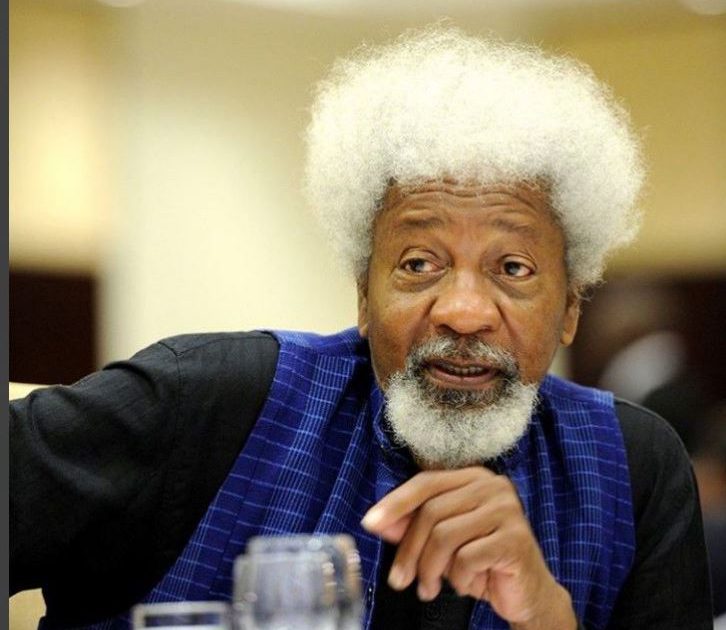
Wole Soyinka, the Nobel laureate, revealed a surprising anecdote from the aftermath of the annulled June 12, 1993, Nigerian presidential election. During a recent event in Lagos commemorating the historic struggle for democracy, Soyinka disclosed that he briefly contemplated running for the presidency himself. Driven by a sense of responsibility to the nation during the turbulent transition period, he seriously considered the prospect for 36 hours. However, he ultimately dismissed the idea, humorously describing the notion as “crazy,” and returned to his true calling as a writer and intellectual. This revelation sheds light on the complex considerations and personal sacrifices made by individuals during that pivotal moment in Nigeria’s history.
Soyinka’s reflection on June 12 extended beyond his personal experience to address the broader interpretations and misrepresentations of the struggle. He lamented the misconceptions surrounding the movement, even among those who participated, attributing them to the diverse motivations of those involved. Some joined to settle personal scores, others to resist military oppression, and still others to oppose dictatorship. He acknowledged the presence of betrayals, inconsistencies, and opportunistic actions within the movement, some of which led to significant loss of life and hardship. Soyinka stressed the ongoing nature of the struggle, emphasizing that June 12 transcended the specific date and continued to resonate in the nation’s political landscape.
A central concern for Soyinka was the tendency of certain individuals to trivialize the significance of June 12, particularly those whose political ambitions had been thwarted. He criticized their attempts to diminish the historical importance of the struggle for personal gain, labeling them as enemies of democracy. Soyinka drew a distinction between legitimate challenges to historical narratives and malicious attempts to downplay the importance of the movement. He emphasized the responsibility of those with firsthand knowledge to correct inaccuracies and ensure that the true story of June 12 is preserved.
For Soyinka, the legacy of June 12 rests on continued remembrance, civic engagement, and formal recognition of those who sacrificed for democracy. He urged for public commemorations, civic activities, and official acknowledgements to ensure that the ideals of the movement are not forgotten. While acknowledging omissions in President Tinubu’s recent conferral of national honors on June 12 heroes, Soyinka urged for a broader understanding of the honors as symbolic of the collective efforts of the diverse individuals who participated in the struggle. He emphasized that those honored should be viewed as representatives of the wider movement, acknowledging the impossibility of recognizing every individual contribution.
Turning his attention to the younger generation, Soyinka expressed his disappointment with those who dismiss the importance of June 12. He attributed this dismissiveness to ignorance and irresponsibility, challenging the youth to either educate themselves about the historical significance of the struggle or refrain from commenting. He advocated for curiosity and research, emphasizing the importance of asking questions and seeking knowledge. Soyinka further linked this historical amnesia to the deliberate removal of history from the Nigerian educational curriculum, a decision he considers a grave crime against youth and education.
In his concluding remarks, Soyinka underscored the importance of historical curiosity and the responsibility of both individuals and society to preserve historical memory. He lamented the lack of curiosity among some young people and urged them to actively engage with the past, even through fictionalized accounts, to spark interest and understanding. He contrasted this apathy with the curiosity of his own generation, which actively sought knowledge about the colonial era and the nation’s early history. Soyinka’s message is a clarion call for the preservation of historical memory, the promotion of civic engagement, and the continued struggle for the ideals of democracy embodied in the June 12 movement. He emphasizes that the lessons learned from the past are crucial for navigating the present and shaping a more democratic future for Nigeria.









