









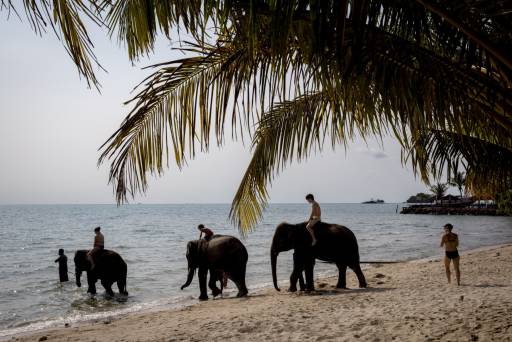
The tragic death of a 23-year-old Spanish tourist at a Thai elephant sanctuary highlights the complex and often fraught relationship between humans and these majestic creatures. The incident, which occurred at the Koh Yao Elephant Care Centre in Phang Nga province, involved the tourist being struck by the trunk of a “panic-stricken” elephant during a bathing activity. While the exact circumstances leading to the elephant’s reaction remain unclear, the inherent stresses of captivity and human interaction undoubtedly play a significant role. This unfortunate event serves as a stark reminder of the potential dangers involved in close encounters with elephants, even in seemingly controlled environments.
Elephant tourism in Thailand is a booming industry, attracting visitors from across the globe eager to interact with these iconic animals. Activities like bathing and riding elephants are marketed as unique and enriching experiences, contributing significantly to the country’s tourism revenue. However, behind the facade of gentle giants and harmonious interactions lies a darker reality of captivity, exploitation, and potential danger. The estimated 2,800 elephants held in captivity for tourism purposes across Thailand often endure harsh training practices and restricted living conditions, leading to psychological distress and unpredictable behavior.
The incident at the Koh Yao Elephant Care Centre is not an isolated occurrence. While attacks within sanctuaries are less common than encounters with wild elephants, they underscore the inherent risks involved in human-elephant interaction. Wild elephants, driven by habitat loss and human encroachment, have been responsible for numerous fatalities in Thailand over the past decade. The Department of National Parks, Wildlife and Plant Conservation reports 227 deaths, including tourists, attributed to wild elephant encounters in the last 12 years. These statistics highlight the growing conflict between humans and elephants as their worlds increasingly collide.
The tragedy brings into sharp focus the ethical considerations surrounding elephant tourism. Animal rights organizations have long voiced concerns about the welfare of captive elephants, arguing that activities like bathing and riding contribute to their stress and suffering. The practice of bathing elephants, in particular, is seen as potentially disruptive to their natural behaviors and social structures. Some sanctuaries have recognized these concerns and have discontinued bathing activities, prioritizing the well-being of the animals over the demands of the tourism industry. This incident should prompt a broader reassessment of the ethical implications of elephant tourism and the need for stricter regulations and improved welfare standards.
The debate surrounding responsible elephant tourism centers on finding a balance between conservation efforts, economic benefits, and the ethical treatment of these intelligent and sensitive creatures. True sanctuaries prioritize the physical and psychological well-being of the elephants, providing spacious enclosures, enriching activities, and minimal human interference. These ethical sanctuaries often focus on rescuing and rehabilitating elephants from exploitative situations, offering them a safe haven where they can live out their lives with dignity. However, distinguishing true sanctuaries from those that prioritize profit over animal welfare can be challenging for tourists.
Moving forward, a crucial step towards responsible elephant tourism involves educating tourists about the complexities of elephant behavior and the potential risks associated with close interaction. Transparency about the elephants’ backgrounds, living conditions, and training methods is essential for informed decision-making. Supporting sanctuaries that prioritize ethical practices and contribute to conservation efforts is vital for ensuring a sustainable future for these magnificent animals. Ultimately, the tragic incident in Thailand serves as a poignant reminder that respecting the natural behaviors and boundaries of elephants is paramount for both their well-being and the safety of those who interact with them.









