









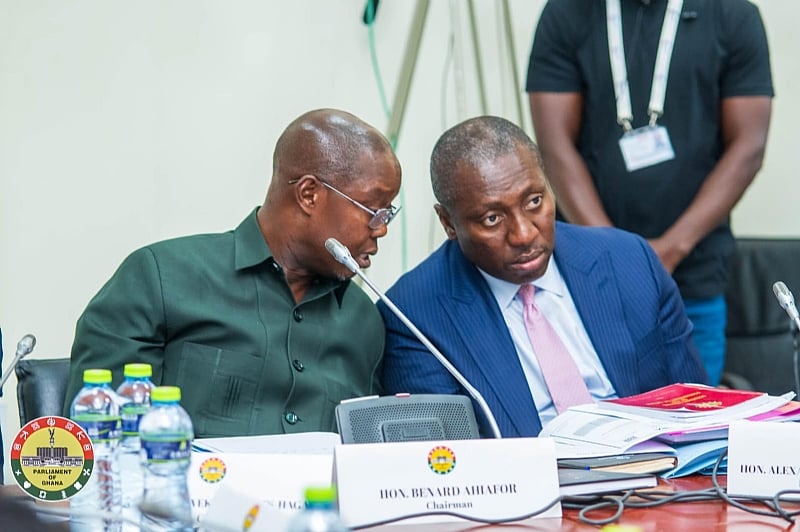
The Speaker of Parliament, Alban Bagbin, has expressed significant concerns regarding perceived procedural irregularities in the Appointments Committee’s vetting process for President John Dramani Mahama’s ministerial nominees. These concerns stem from a multitude of complaints received by his office, highlighting a growing perception that the committee’s conduct is undermining its credibility and potentially jeopardizing public trust in the crucial vetting process. Speaker Bagbin’s remarks underscore the importance of adherence to established procedures to ensure fairness, transparency, and accountability in the assessment of ministerial candidates. The perceived deviations from these procedures raise questions about the thoroughness and objectivity of the vetting process, potentially impacting the quality of ministerial appointments and ultimately, the effectiveness of governance.
The Speaker’s apprehension centers on the Appointments Committee’s apparent disregard for established rules and guidelines governing public hearings for ministerial nominees. These rules, carefully crafted to ensure a standardized and transparent process, appear to have been overlooked or disregarded, raising concerns about the committee’s commitment to due process. The lack of adherence to these established procedures not only creates an environment of uncertainty and potential bias but also opens the door to accusations of political maneuvering or undue influence. The Speaker’s emphasis on the public nature of these hearings highlights the importance of maintaining public confidence in the integrity of the appointment process, a cornerstone of democratic governance.
The complaints received by the Speaker’s office, originating from both domestic and international observers, further underscore the gravity of the situation. These concerns, emanating from a diverse range of stakeholders, suggest a widespread perception of procedural impropriety within the Appointments Committee. The international dimension of these complaints raises the stakes, potentially impacting Ghana’s reputation on the global stage and raising questions about the country’s commitment to democratic principles and good governance. The Speaker’s decision to address these concerns publicly signifies the seriousness of the matter and the urgent need for corrective action to restore public trust in the appointment process.
The implications of these procedural lapses extend beyond the immediate vetting process. The credibility of the Appointments Committee is intrinsically linked to the legitimacy of ministerial appointments and the effectiveness of the government as a whole. A compromised vetting process could potentially lead to the appointment of unqualified or unsuitable individuals to ministerial positions, hindering the government’s ability to effectively address critical national challenges. Furthermore, the erosion of public trust in the appointment process can undermine confidence in the government’s commitment to transparency and accountability, potentially fueling public discontent and impacting the stability of democratic institutions.
Addressing these concerns requires a comprehensive review of the Appointments Committee’s practices and a renewed commitment to adhering to established procedures. This may involve revisiting the existing rules and guidelines, strengthening oversight mechanisms, and enhancing transparency in the vetting process. Furthermore, fostering a culture of accountability within the committee is crucial to ensuring that future appointments are conducted with the utmost integrity and in accordance with established procedures. The Speaker’s intervention serves as a timely reminder of the importance of upholding democratic principles and safeguarding the integrity of the appointment process.
The long-term consequences of neglecting these procedural concerns could be far-reaching. A compromised appointment process can weaken democratic institutions, erode public trust, and hinder effective governance. Therefore, addressing these concerns promptly and decisively is essential to maintaining the integrity of Ghana’s democratic system and ensuring the appointment of qualified and capable individuals to positions of public trust. The Speaker’s call for adherence to established procedures represents a crucial step towards strengthening the appointment process and upholding the principles of transparency, accountability, and good governance.









