









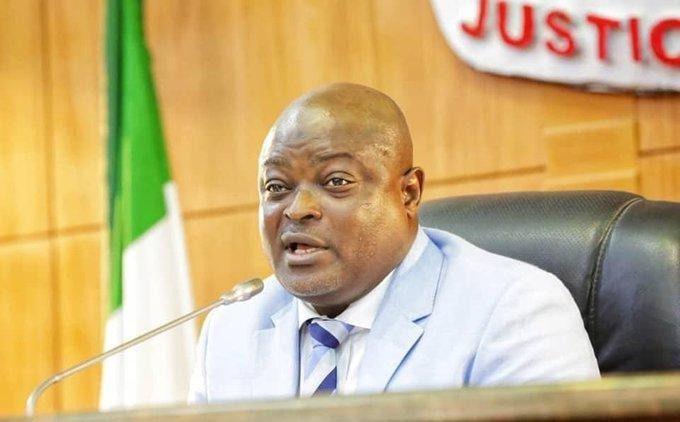
The Speaker of the Lagos State House of Assembly, Mudashiru Obasa, recently addressed the ongoing debate surrounding the status of Local Council Development Areas (LCDAs) in Lagos State. This discussion was sparked by reports indicating that a legislative bill was under consideration to replace the existing 37 LCDAs with Area Administrative Councils. The proposed bill, which seeks to enhance the framework for local government administration, underwent a public hearing, but the assembly decided to hold an additional hearing in response to public concern. Obasa emphasized his intention to clarify any misconceptions regarding the fate of the LCDAs and to ensure that various stakeholders fully understood the implications of the proposed changes.
During the assembly’s recent session, Obasa reaffirmed that the review and potential modification of the Local Government Administration law were not intended to eliminate the LCDAs. Instead, he underscored the goal of strengthening the existing structures to ensure collaborative functioning between the local governments and the LCDAs. He specifically referenced the recent Supreme Court judgment regarding financial autonomy for local governments, stressing the importance of not disregarding the rights and roles of the LCDAs in the overall governance framework. The Speaker responded to the widespread inquiries about the future of the LCDAs, indicating a commitment to transparency in the process.
Furthermore, Obasa presented the broader context for the proposed legislative changes by citing demographic and administrative considerations. Notably, he pointed out disparities in the number of local governments across different states, such as Kano’s 44 local governments compared to Lagos’s 37 LCDAs. He suggested that these variations potentially warrant a reconsideration of the revenue-sharing arrangements managed by the Revenue Mobilization, Allocation and Fiscal Commission. By highlighting these differences, he aimed to facilitate a conversation about the necessity for equitable representation and resource allocation for Lagos State.
The discussion also revealed that many stakeholders had been unable to attend the initial public hearing due to adverse weather conditions. Sanni Okanlawon, Chairman of the Committee on Local Government, noted that their absence underscored the need for another scheduled hearing to fully capture stakeholder input. His assertion was supported by fellow legislator Ladi Ajomale, who expressed concerns that the lack of understanding among the public might lead to unfounded fears regarding government intentions toward local governance. Ajomale advocated for clear communication to dispel misconceptions and foster improved collaboration with the National Assembly to secure the recognition of LCDAs as substantive local governments.
Additional testimony came from Desmond Elliot, a representative from Surulere Constituency I, who brought attention to the unique characteristics of Lagos State. Emphasizing its significant population and economic contributions to Nigeria, Elliot argued that it was imperative to strive for the formal recognition of the LCDAs. He contrasted Lagos’s situation with Anambra State, which, despite having a similar number of local governments, lacks the same level of resources and economic impact. This perspective highlights the need for an administrative framework that reflects Lagos’s distinctive challenges and contributions within Nigeria’s federal structure.
In summary, the ongoing discussions within the Lagos State House of Assembly about the future of local government structures reflect broader themes of governance, representation, and resource allocation. Through a commitment to transparency and cooperation, the assembly aims to navigate the complexities introduced by recent judicial rulings and public concerns. The focus is on creating a cohesive local government system that does not eliminate the LCDAs but rather strengthens them, ensuring all entities work collaboratively to deliver effective governance and development for the people of Lagos State. The call for further public engagement and collaboration with federal entities indicates a desire to address local governance comprehensively and inclusively, as the assembly seeks a fair and effective resolution to these pressing issues.









