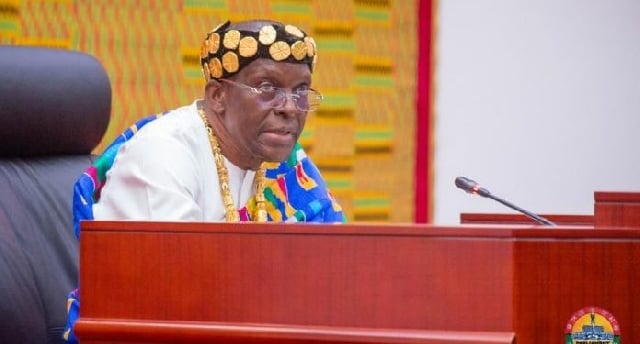
Alban S.K. Bagbin, the Speaker of Parliament, is poised to make a significant ruling regarding a petition from the Minority, which argues for the declaration of four parliamentary seats as vacant. This petition is particularly focused on three Members of Parliament (MPs) who have opted to run as independent candidates, alongside Andrew Asiamah, the Second Deputy Speaker and MP for Fomena, who is contesting as an independent but remains affiliated with the New Patriotic Party (NPP) for the upcoming 2024 general elections. The unfolding situation has raised questions about parliamentary ethics and the integrity of party affiliation, prompting intense discussions in the parliamentary chamber.
During a recent session, Minority Leader Dr. Cassiel Ato Forson emphasized that the rationale for declaring the seats vacant is grounded in legal precedents, suggesting that a thorough examination of previous cases would support their position. His assertion draws on constitutional guidelines regarding party representation and the consequences of MPs’ decisions to align as independents, pointing to the potential implications for governance and voters’ rights. The legality and ramifications of their actions have prompted the Minority to escalate the matter, seeking clarity and accountability surrounding representation in Parliament.
The ensuing debate in the House revealed a stark divide between the Majority and Minority factions. Members of the Majority contended that the Supreme Court should take the lead in interpreting the relevant laws, arguing that the judiciary is better equipped to handle such legal determinations. This perspective highlights a broader tension between the legislative and judicial branches, particularly regarding the extent to which Parliament can impose its will over individual MP affiliations and their electoral choices. The Majority’s stance underscores concerns about overstepping boundaries and maintaining proper checks and balances within Ghana’s political framework.
Amidst the heated exchanges, Speaker Bagbin maintained decorum, reaffirming his commitment to addressing the minority’s petition and clarifying the parliamentary position on the matter. His announcement to deliver a ruling within two days reflects the urgency of the situation and the need for a decisive resolution. The Speaker’s ruling will not only impact the status of the contested parliamentary seats but also set a precedent for how similar future cases might be handled, underscoring the delicate interplay of legal standards, party loyalty, and electoral integrity that characterizes parliamentary democracy in Ghana.
As the situation approaches its resolution, there is keen anticipation about the implications of Speaker Bagbin’s decision. If the ruling leans in favor of the Minority, it could lead to a significant shift in the composition of Parliament and potentially alter the dynamics of political power leading into the 2024 general elections. Conversely, a ruling against the petition could bolster the Majority’s position and provide a framework for MPs to contest their party allegiances without fear of losing their seats—a development that may reshape the political landscape in the coming years.
In conclusion, the forthcoming ruling by Speaker Bagbin represents a critical moment in Ghana’s parliamentary history, as it encapsulates broader themes of legal interpretation, party dynamics, and the role of representatives in a democratic society. The petition by the Minority has sparked a necessary discourse around accountability and the responsibilities of public office holders, prompting both debate and introspection within Parliament. As Ghana navigates the complex terrain of electoral politics, the implications of this ruling will be felt well beyond the chamber, inviting scrutiny from political analysts, party supporters, and the electorate at large as they look to future elections.