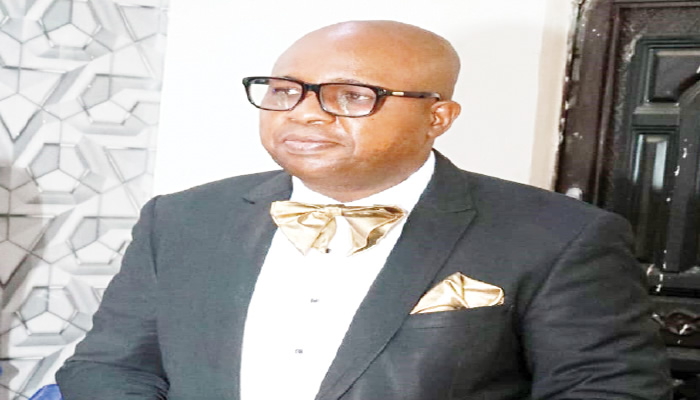
In an exclusive interview, Obiora Ifoh, the National Publicity Secretary of the Labour Party, addressed several critical issues currently facing the party, including alleged betrayal by former presidential candidate Peter Obi and Governor Alex Otti, as well as the dispute over the controversial Nenadi Usman Caretaker Committee. Ifoh emphasized that the committee is considered illegal and unconstitutional by the Labour Party, asserting that it does not align with the tenets of either the Nigerian Constitution or the party’s constitution. He expressed hope that Obi and Otti, whom he regards highly, would eventually recognize their missteps and return to the party’s fold. Ifoh stated definitively that, despite the circumstances, there would be no sanctions against these leaders, underscoring a desire for unity and collaboration within the party, where everyone is welcomed.
Furthering the conversation, Ifoh shed light on internal rifts, attributing some problems to members who had previously been affiliated with other political parties and were ill-informed about Labour Party protocols. He noted that these new members often carried over different political traditions which occasionally clashed with Labour’s ideology, leading to misunderstandings and deviations from the party’s core principles. Ifoh articulated frustration over the disappointment in leadership integrity, where some elected officials pursued self-serving interests rather than embodying the servant-leader role that Labour promotes. He emphasized the importance of reverting to the party’s foundational values, indicating the need for deeper indoctrination into Labour’s ethos for several new members.
On the topic of the party’s internal political dynamic, Ifoh affirmed his position as the legitimately elected National Publicity Secretary and referred to the fragmented situation wherein multiple factions claim leadership roles. He remained optimistic about reconciling differences, reiterating that titles should be secondary to the greater goal of a unified front to drive Nigeria’s political agenda. Highlighting an open-door policy, Ifoh welcomed back those who have departed the party due to misguided advice, confident that the collective goal remains focused on Nigeria’s recovery. By prioritizing structure and inclusivity, Ifoh reinforced that all members, regardless of their allegiance to various factions, are valued as they work towards the party’s objectives.
Regarding Peter Obi’s relationship with the National Working Committee (NWC), Ifoh remarked that while there is no overt conflict, a critical failure in communication has impacted resolutions. He expressed disappointment that Obi has yet to engage with the NWC as a collective body, which impedes the potential for finding common ground amid misunderstandings. He highlighted the necessity for a united approach in democratic dialogue, believing that unity is vital for effective governance and strategic responses to the party’s current challenges.
Ifoh then addressed the party’s recent electoral performance in the Edo governorship election. He dismissed speculation that a lack of unity led to the subpar results, asserting that the Labour Party conducted a robust campaign and engaged communities thoroughly. Instead, he pointed to potential foul play in election processes, suggesting that the reported vote count did not reflect the party’s expectations or efforts. His call for an extensive investigation into the electoral proceedings demonstrated an earnest commitment to transparency and accountability within the party’s operational mechanisms.
In closing, Ifoh defended the party’s economic strategies and long-term vision, claiming that the Labour Party possesses viable proposals to address Nigeria’s economic hardship. He attributed the country’s challenges to an over-reliance on petroleum, calling for diversification and investment in agricultural production to revitalize the economy. Addressing current administration challenges, including rising costs of living and systemic issues, he criticized prevailing economic strategies as detrimental to the populace. Ifoh’s stance illustrated a deep concern for public welfare and an unwavering commitment to a transformative agenda that prioritizes the needs of ordinary Nigerians over elite interests. Ultimately, Ifoh’s perspectives crystallized a narrative about rejuvenating the Labour Party’s foundational values amidst tumultuous political dynamics, advocating for unity, strategic reform, and an unwavering focus on genuine democratic representation.