









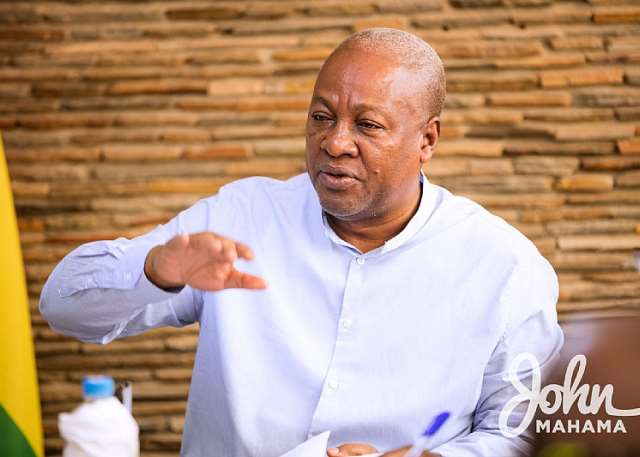
President John Dramani Mahama’s address to the 92nd National Convention of the Ahmadiyya Muslim Mission in Pomadze, Winneba, served as a platform to address the pressing issue of Ghana’s energy crisis and reassure the nation of his government’s unwavering commitment to resolving it. Acknowledging the public’s frustration and anxieties stemming from the ongoing power challenges, Mahama emphasized his administration’s responsibility to find solutions and alleviate the burden on Ghanaians. He firmly stated that his government was elected to solve problems, not to shift blame, underscoring his commitment to taking ownership of the situation and working diligently towards a resolution. This declaration served as a critical message to the public, assuring them that their concerns were being heard and addressed at the highest level.
Mahama’s words were not merely platitudes; he revealed concrete actions being taken to tackle the energy crisis. He announced the convening of a meeting with stakeholders across the entire electricity value chain, a collaborative effort designed to brainstorm innovative solutions. This demonstrated a proactive and inclusive approach, bringing together various experts and actors involved in the energy sector to collectively address the complex challenges. The meeting, which had been ongoing since the previous day, signified a concerted effort to delve deep into the issues and develop effective strategies for ensuring a stable power supply. Mahama’s emphasis on the collaborative nature of this effort highlighted the importance of a unified approach to tackling the crisis.
The President expressed optimism about the potential outcomes of the stakeholder meeting, indicating that promising ideas had already emerged. He reassured the nation that these ideas, when implemented, would lead to a more reliable and consistent power supply. This glimmer of hope offered a much-needed sense of reassurance to Ghanaians weary of the ongoing power disruptions. Mahama’s confident assertion that the lights would stay on signaled a turning point in the narrative surrounding the energy crisis, shifting from acknowledging the problem to outlining the path towards a solution.
Elaborating on the government’s efforts, Mahama might have detailed specific strategies being considered, emphasizing both short-term measures to provide immediate relief and long-term plans to address the root causes of the energy crisis. This could include investments in new power generation capacity, diversification of energy sources, improvements in transmission and distribution infrastructure, and initiatives to promote energy efficiency. He might also have addressed the financial aspects of these solutions, outlining how the government plans to secure the necessary funding to implement these crucial projects. Transparency in these details would further build public trust and demonstrate the government’s commitment to providing sustainable solutions.
Furthermore, Mahama could have emphasized the importance of public participation in addressing the energy crisis. This could involve encouraging energy conservation practices at the individual and community levels, promoting responsible energy consumption, and fostering public awareness campaigns to educate citizens about the challenges and solutions related to the energy sector. Highlighting the collective responsibility in overcoming the crisis would empower Ghanaians to contribute to the solution and foster a sense of shared ownership.
Finally, Mahama might have reiterated his government’s long-term vision for Ghana’s energy sector, painting a picture of a future where the nation enjoys a reliable, affordable, and sustainable power supply. This could involve outlining plans for transitioning to cleaner energy sources, promoting renewable energy technologies, and creating a robust and resilient energy infrastructure that can withstand future challenges. By articulating a clear vision for the future of Ghana’s energy sector, Mahama could inspire confidence and instill hope for a brighter future, one powered by stability and progress. This forward-looking perspective would not only address the immediate concerns but also lay the groundwork for a more secure and prosperous energy landscape in the long term.









