





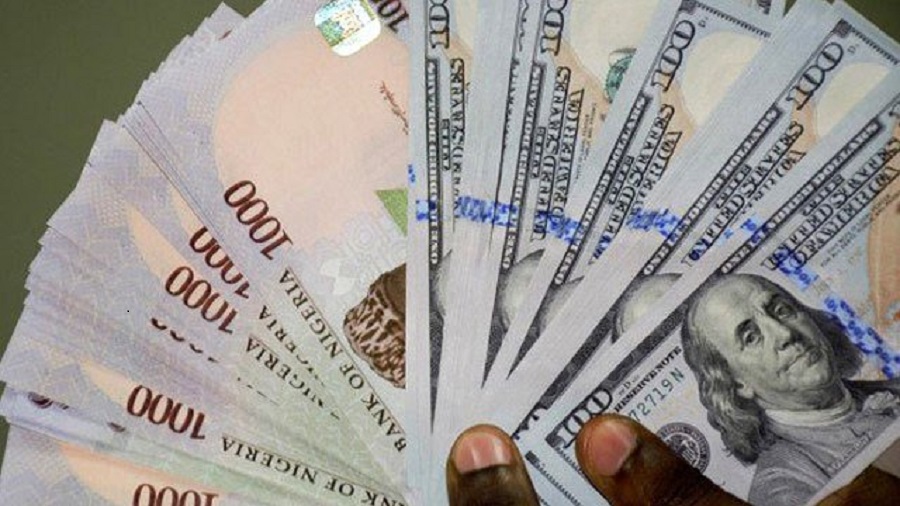
Recent investigations have revealed that the Nigerian State House, despite ongoing calls for reduced governance costs, has spent an alarming total of N7.4 billion on foreign currencies and a fleet of 16 vehicles within just four months. This financial expenditure casts doubt on the government’s commitment to fiscal responsibility, especially in a climate where citizens are demanding heightened accountability in governance. The financial assessment also indicates a significant focus on international engagements that could be perceived as excessive, particularly in light of pressing local issues requiring attention and resources.
Since their administration began, President Bola Tinubu and Vice President Kashim Shettima have engaged in extensive international travel, undertaking over 41 trips across 26 countries, which cumulatively accounts for approximately 180 days, or half a year, spent abroad. The President himself has led the way in absences, with 124 days allocated to visits to 16 different countries across 29 trips, amassing over 127 flight hours. In contrast, Vice President Shettima recorded 56 days in foreign locales through 12 trips, resulting in around 93 flight hours. This pattern of extended travel raises questions about the priorities of the government, particularly amid national challenges and the pressing needs of the populace.
An analysis performed by GovSpend, a civic tech platform dedicated to tracking federal spending, shed light on the financial implications of these travels and related expenses. In the first six months of Tinubu’s presidency, data indicated that at least N3.4 billion was expended on both domestic and international travel. This expenditure exceeded the previously allocated budget of N2.49 billion for the President’s travel costs by a staggering 36%. Such figures raise concerns about financial overruns and the efficacy of budgeting processes within the government, which are expected to operate within defined fiscal limits.
As the calendar turned to 2024, the State House’s spending did not slow down. In just the first three months, a staggering total of N5.24 billion was spent during various engagements, encompassing trips taken by Tinubu, Shettima, and First Lady Remi Tinubu. Breaking down the figures, N1.35 billion was classified for presidential trips, while an astonishing N3.53 billion was utilized for the procurement of foreign currencies related to ten international trips. Additional financial commitments of N637.85 million were made to travel agencies for air ticket purchases, signaling a pervasive preoccupation with international travel expenses, which obscures local developmental needs.
In a further analysis of expenditures between July and October of 2023, the financial patterns continued to indicate a hefty investment of N4.2 billion on foreign currencies linked to presidential endeavors abroad. This included disbursements such as N38.9 million on July 13, alongside a significant transaction of N1.49 billion executed in four tranches on July 17. Other payments included N119 million issued in two separate batches on that same day, highlighting the sheer scale of financial transactions in a short period. Such spending raises critical questions regarding the oversight and management of public funds.
The extravagant expenditure doesn’t stop at travel; on August 18, significant sums were allocated for the purchase of new vehicles. The State House approved a payment of N3.4 billion for 16 Toyota Prado models 2023/2024. Additionally, N1.5 billion was incurred for air ticket purchases for travels during this timeframe. Collectively, these expenditures reflect a continued pattern of prioritizing lavish spending on travel and vehicles rather than focusing on the broader socio-economic issues affecting the Nigerian populace. These financial decisions remain contentious, especially as public sentiment calls for more judicious and responsible governance amid economic challenges prevalent across the nation.








