









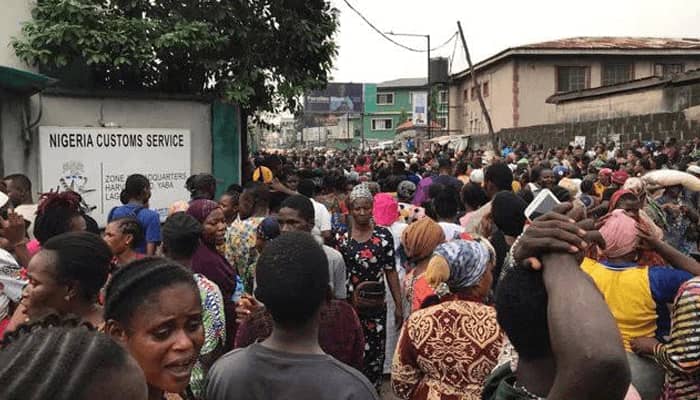
The festive season of 2023 was marred by a series of tragic stampedes across Nigeria, claiming the lives of dozens, including a significant number of children. These incidents, occurring during food distribution and festive events in Ibadan, Okija, and Abuja, highlighted the precarious conditions faced by many Nigerians and prompted immediate government responses at both the state and federal levels. The common thread linking these tragedies was the uncontrolled rush for resources, resulting in fatal crushing injuries as people scrambled for limited supplies. The sheer number of casualties, particularly the loss of young lives, underscored the desperation and vulnerability within communities struggling with economic hardship. The national outcry following these events forced a critical examination of event management protocols and the underlying socioeconomic factors contributing to such desperate situations.
In response to the stampedes, several states implemented stringent safety measures for public gatherings. Lagos State took the lead, mandating registration with safety agencies for any event expecting more than 250 attendees. This initiative emphasized the importance of proactive crowd control measures and ensured that organizers take responsibility for the safety of participants. Ondo State introduced comprehensive crowd control guidelines, covering risk assessment, communication protocols, and provision of essential amenities like medical teams and multiple access points. These directives sought to create a safer environment for public events by establishing clear responsibilities for law enforcement, organizers, and local authorities.
Other states adopted diverse strategies to mitigate the risk of similar tragedies. Anambra State, where one of the stampedes occurred, advocated for a more structured and decentralized approach to distributing aid, emphasizing the need for multiple distribution points, prioritization of vulnerable groups, and trained personnel to manage crowds. Abia State echoed this call for proactive planning, requiring organizers to coordinate with security agencies for guidance and support. Akwa Ibom and Kogi States adopted a decentralized distribution model, channeling resources through local government areas and wards to minimize large gatherings and ensure more manageable crowd sizes. These varied approaches reflect a nationwide commitment to preventing future stampedes.
The tragic events ignited a political debate, with opposition parties criticizing the ruling APC government for economic policies they argued contributed to the widespread hardship and desperation that led to the stampedes. The PDP, in particular, attributed the incidents to the government’s alleged mismanagement of the economy, highlighting the pervasive poverty and hunger they claimed were forcing citizens into desperate measures for survival. They called for a review of policies, accusing the government of prioritizing self-enrichment over the welfare of the people. The PDP’s youth leader went further, calling for President Tinubu’s resignation, holding him directly responsible for the tragedies. Other opposition parties echoed these sentiments, emphasizing the need for intentional efforts to address Nigeria’s economic challenges and improve the lives of its citizens.
The ruling APC, however, rejected these accusations, arguing that the stampedes were a result of inadequate planning and crowd control by event organizers, not a reflection of government policies. They maintained that such incidents could occur anywhere in the world without proper security measures in place. They emphasized that the government’s economic reforms, while potentially causing short-term hardship, were ultimately designed to improve the long-term economic outlook for all Nigerians. This stark contrast in perspectives highlighted the deep political divisions within the country and the ongoing debate over the impact of government policies on the lives of ordinary citizens.
Amid the political back-and-forth, the human cost of these tragedies remained at the forefront. Accounts from survivors and witnesses painted a harrowing picture of the chaos and desperation that unfolded. A nursing mother recounted her ordeal in Abuja, highlighting the sheer number of people who had gathered in hopes of receiving aid. Reports from hospitals detailed the injuries sustained by victims, a stark reminder of the physical and emotional toll of these events. The outpouring of condolences from government officials, religious leaders, and civil society organizations reflected a shared sense of grief and a commitment to learning from these tragic events. The Christian Association of Nigeria (CAN) offered solace and support to the affected families, recognizing the profound loss and the need for collective healing. The incidents served as a somber reminder of the importance of community, compassion, and the need for proactive measures to ensure the safety and wellbeing of all citizens.









