





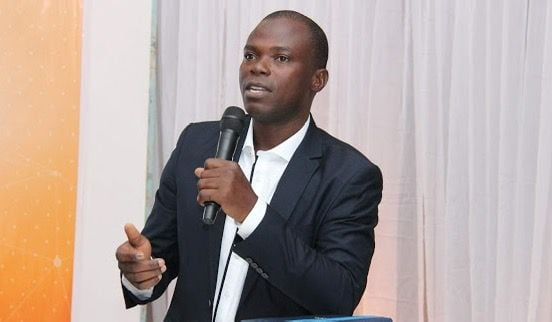
Sulemana Braimah, the Executive Director of the Media Foundation for West Africa (MFWA), a prominent advocate for press freedom and good governance, has issued a pointed message to the newly appointed ministers in President John Dramani Mahama’s administration. Braimah’s statement, delivered via social media, underscores the significant challenges and expectations facing the incoming government, particularly regarding economic recovery and public trust. He called upon the new appointees to prioritize service to the nation over personal enrichment, emphasizing the importance of integrity and accountability in public office. Braimah’s message reflects a broader concern about corruption and its corrosive impact on democratic governance and development, particularly within the West African context. The MFWA, through its investigative journalism arm, The Fourth Estate, has been actively involved in exposing corruption and holding public officials accountable. Braimah’s statement reinforces the organization’s commitment to this crucial role and signals its intention to closely monitor the performance of the new ministerial appointees.
The backdrop to Braimah’s statement is the recent series of ministerial appointments announced by President Mahama. These appointments come as the country grapples with significant economic challenges, described as the worst crisis in a generation. The President has prioritized economic recovery and job creation as central pillars of his administration’s agenda. The new ministers, therefore, inherit a heavy responsibility to navigate the country through these turbulent economic times and restore public confidence. The appointments include key positions such as the Minister for Finance, Minister for Energy, Attorney-General and Minister for Justice, Minister for Education, Minister for Roads and Highways, and Minister for Food and Agriculture. These portfolios are critical for addressing the pressing economic and social needs of the country, and the performance of these ministers will be closely scrutinized by the public and civil society organizations like the MFWA.
Braimah’s message highlights the dual approach that the MFWA intends to adopt in its engagement with the new government. He offered support and collaboration to those ministers who demonstrate a genuine commitment to serving the public interest. This support could potentially include providing resources, facilitating dialogue, and promoting transparency initiatives. Conversely, Braimah issued a stern warning to those who might be tempted to engage in corrupt practices. He pledged that the MFWA, through The Fourth Estate, would actively investigate and expose any instances of corruption or abuse of power. This commitment to investigative journalism underlines the MFWA’s role as a watchdog and its dedication to holding public officials accountable.
The appointments announced by President Mahama have been submitted to Parliament for vetting, as required by Article 78 of the 1992 Constitution. This parliamentary vetting process is a crucial aspect of democratic accountability, providing an opportunity for public scrutiny of the nominees’ qualifications, experience, and integrity. The MFWA’s statement adds another layer of scrutiny, emphasizing the importance of not only legal compliance but also ethical conduct and a genuine commitment to public service. The public will be keenly observing the parliamentary vetting process and the subsequent performance of the appointed ministers, holding them accountable for fulfilling their promises and addressing the nation’s challenges.
The context of Ghana’s economic crisis adds significant weight to Braimah’s message. The country’s economic recovery depends on effective governance, transparent policies, and the responsible management of public resources. Corruption, therefore, poses a direct threat to the nation’s economic prospects. By emphasizing the importance of integrity and accountability, Braimah’s statement underscores the link between good governance and economic development. The MFWA’s commitment to exposing corruption aligns with the broader national interest in fostering a conducive environment for economic recovery and sustainable growth.
The appointment of key ministers like those for Finance, Energy, and Agriculture is crucial for addressing the immediate economic challenges and laying the foundation for long-term stability. The Minister for Finance will play a pivotal role in managing public finances, implementing fiscal policies, and engaging with international financial institutions. The Minister for Energy will be responsible for ensuring a reliable and affordable energy supply, which is essential for economic activity and industrial development. The Minister for Agriculture will be tasked with improving agricultural productivity, ensuring food security, and supporting rural livelihoods. The success of these ministers in their respective roles will be crucial for the overall success of the government’s economic recovery agenda. The MFWA’s commitment to promoting transparency and accountability will contribute to creating a climate where these ministers can effectively perform their duties and contribute to the nation’s progress.








