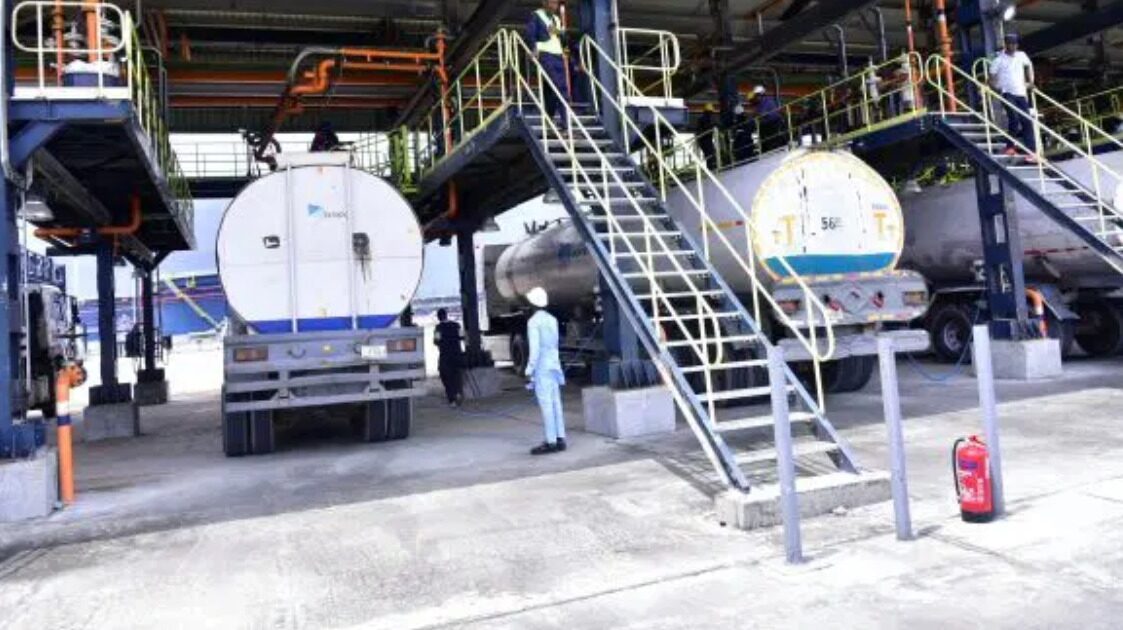
The impending direct fuel distribution scheme by Dangote Refinery, slated to commence on August 15th, has sparked significant apprehension within Nigeria’s oil supply sector. The plan, which involves Dangote directly supplying fuel to a range of consumers including filling stations, telecommunication companies, and the aviation sector, has been met with resistance from the Natural Oil and Gas Suppliers Association of Nigeria (NOGASA). They argue that this direct-to-consumer model threatens to displace existing suppliers and trigger widespread job losses within the industry, disrupting the established supply chain and jeopardizing the livelihoods of thousands. This new distribution strategy, facilitated by Dangote’s acquisition of 4,000 CNG-powered tankers, effectively bypasses traditional depots and intermediaries, a move NOGASA perceives as a direct threat to their role in the market.
NOGASA’s concerns center on the potential for massive job displacement. The association, whose members currently act as intermediaries between refineries and end-users, fears that Dangote’s direct distribution model will render their services redundant. This could lead to significant job losses for not only NOGASA members but also for the numerous employees who rely on the current distribution network, including truck drivers and logistics staff. The president of NOGASA, Benneth Korie, has voiced these concerns publicly, highlighting the potential disruption to the oil and gas supply chain and the threat to the livelihoods of those employed within it. He emphasizes that the current system supports a complex network of businesses and individuals who rely on the established distribution channels for their income.
The crux of the issue lies in the disruption of the established supply chain. Dangote’s strategy bypasses the traditional network of intermediaries, who currently play a crucial role in distributing fuel across the country. These intermediaries, represented by NOGASA, fear being marginalized by the new model, which empowers Dangote to control the entire distribution process from refinery to end-user. This shift in control could have far-reaching consequences for the existing market structure, potentially leading to market consolidation and reduced competition. NOGASA members argue that their role is essential for ensuring a diverse and competitive market, and their displacement could have negative implications for consumers in the long run.
NOGASA is actively seeking a resolution to this impending crisis. They are advocating for a collaborative approach where Dangote supplies fuel to NOGASA members, who would then distribute it to end-users. This proposed model, they argue, would preserve the existing supply chain and protect the jobs of those currently employed within it. NOGASA believes that this collaborative approach would be a win-win situation, allowing Dangote to leverage their refining capacity while ensuring the continued viability of existing distribution networks. The association has scheduled a general meeting for July 31st in Abuja to discuss their strategy and potential actions, which could include halting operations and engaging directly with Dangote to negotiate a compromise.
The outcome of this standoff between Dangote Refinery and NOGASA has significant implications for Nigeria’s oil and gas sector. Dangote’s direct distribution strategy represents a major shift in the market dynamics, potentially reshaping the entire supply chain. While Dangote’s model could lead to increased efficiency and potentially lower prices for consumers in the short term, it also carries the risk of job displacement and market consolidation. NOGASA’s concerns about the potential negative consequences for their members and the wider industry warrant careful consideration. A balanced solution that addresses both the need for market efficiency and the protection of existing jobs is crucial for ensuring the long-term stability and sustainability of Nigeria’s oil and gas sector.
The situation highlights the complex interplay between market forces, employment concerns, and the need for regulatory oversight in a vital sector of the Nigerian economy. Finding a resolution that benefits all stakeholders requires open communication, collaboration, and a willingness to compromise. The upcoming meeting between NOGASA members will be a critical moment in determining the future of fuel distribution in Nigeria. The outcome could significantly impact not only the livelihoods of thousands of workers but also the structure and competitiveness of the oil and gas market as a whole. The government’s role in mediating this dispute and ensuring a fair outcome will also be crucial in maintaining stability within the sector.