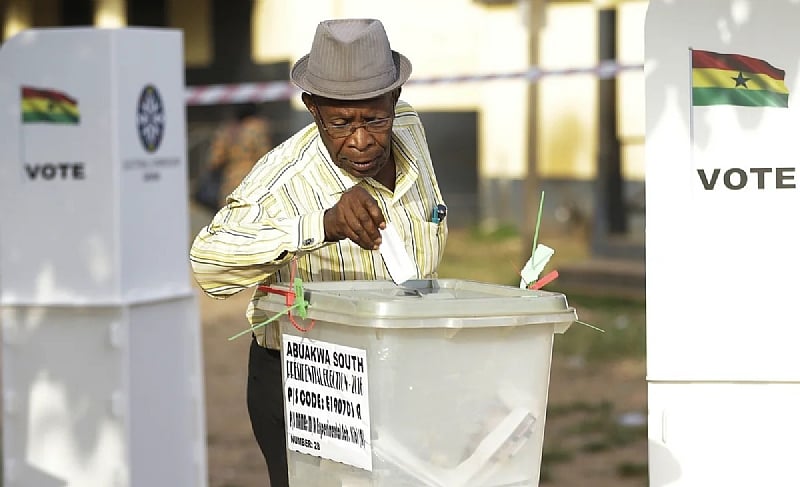
The economy, infrastructure development, education, unemployment opportunities, corruption, democracy, peace, and security are pivotal elements shaping the electoral landscape for Ghana’s 2024 Presidential and Parliamentary elections. The Centre for Development Research and Agro-Innovation (CEDRAI) conducted a thorough analysis of these factors, drawing insights from a survey comprising 3,531 respondents across all 16 regions. The comprehensive findings underline the pressing issues that Ghanaian voters are concerned about and provide a framework for how political parties can effectively engage with the electorate during this critical period.
At the forefront of voters’ concerns is the economy, particularly issues such as inflation, exchange rates, and taxation. The survey indicates that political parties must formulate actionable economic recovery plans, seeking to diminish inflation rates, stabilize the national currency, and promote job creation. Voter sentiment reveals a strong inclination toward tangible improvements in economic conditions, emphasizing the need for parties to present clear strategies that address these pressing issues. A failure to provide viable solutions to economic problems may result in a significant loss of voter confidence and support during the elections.
Infrastructure development also remains a core concern, with voters expressing an urgent need for enhanced access to essential services such as roads, schools, and healthcare. The survey emphasizes the importance of highlighting initiatives that focus on underserved regions to foster trust among the electorate. In terms of education, there is a notable emphasis on the balance between expanding access, as seen in mixed opinions regarding the Free Senior High School programme, and ensuring quality reforms. Tertiary education improvements and strategies to alleviate overcrowding in schools are among the top priorities for voters, suggesting that parties must propose comprehensive plans for both access and quality in the educational sector.
Another critical issue identified in the survey is unemployment, particularly among the youth. With high levels of joblessness prevailing, voters are keen on policies that prioritize job creation within agriculture, technology, and manufacturing industries. Political parties need to craft tailored policies that resonate with the aspirations of young voters, demonstrating a commitment to employment opportunities and economic sustainability. Furthermore, the report highlights governance integrity as a significant factor, with citizens seeking robust anti-corruption measures and transparent frameworks outlining accountability. The electorate’s expectation for responsible governance underscores the vital role that integrity and trustworthiness will play in their choices.
In terms of electoral dynamics, the survey reveals substantial discontent with the current administration under the New Patriotic Party (NPP), with the National Democratic Congress (NDC) seemingly poised for electoral gains. The NDC enjoyed a lead of 50.4% compared to the NPP’s 41.8%, primarily driven by voter dissatisfaction stemming from economic challenges and public service inefficiencies. Voter grievances about high inflation, rising living costs, and perceived government corruption have increased demands for change and systemic reforms. While the NDC’s messaging on economic issues and anti-corruption has resonated with voters, they must maintain a cohesive and inclusive approach to broaden their appeal and secure a decisive victory.
The parliamentary race presents a more competitive landscape, characterized by a tight contest where the NDC leads with 49% and the NPP closely trails at 46%. The report indicates that swing regions and undecided voters will play a crucial role in determining the outcome of the elections. While the NDC has found traction by addressing voter frustrations, both major parties must undertake comprehensive efforts to engage with swing voters and the undecided demographic. Ultimately, voter sentiments will hinge on how well parties articulate their plans for economic recovery, infrastructural development, and governance reforms. The success of either party will largely depend on their ability to connect with citizens and respond to the ever-evolving socio-economic landscape leading up to the crucial elections.