





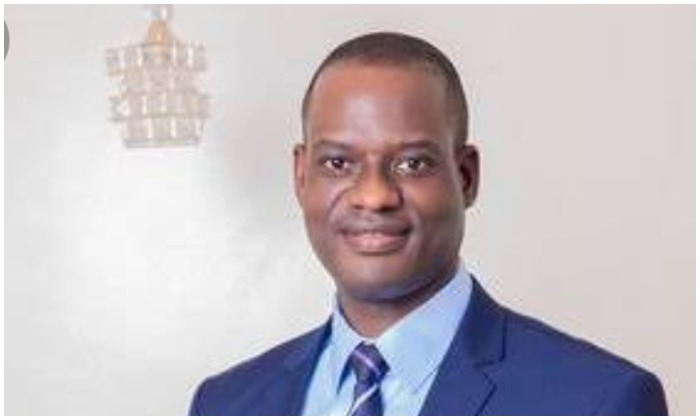
The Chairman of the Presidential Fiscal Policy and Tax Reforms Committee, Taiwo Oyedele, recently addressed the purpose behind the tax reform bills currently before Nigeria’s National Assembly. On a panel discussion hosted by Channels Television, he clarified that these reforms aim to revitalize Nigeria’s economy for shared prosperity, counteracting the narrative that they are primarily focused on revenue generation. Oyedele emphasized that the underlying issue is not just about increasing tax revenue, but rather about addressing systemic economic challenges that have resulted in widespread poverty and uneven growth. His assertions come at a critical time as various state governors have voiced opposition to the bills, claiming they could harm regional economies.
Responses from state governors have been mixed, with some calling for the immediate withdrawal of the proposed reforms to allow for further discussion and consultation. Among the critics, Borno State Governor, Prof. Babagana Zulum, specifically urged his fellow governors and northern stakeholders to reject the bills, fearing negative consequences for his region’s economic stability. This growing pushback from state leadership suggests a significant divide between state and federal perspectives on the proposed tax reforms, raising concerns that the bills, if enacted without proper dialogue, could exacerbate the challenges they seek to address.
Oyedele countered the criticism by stressing the misconceptions surrounding the reforms. He argued that many detractors had not thoroughly reviewed the proposals, failing to grasp their intended purpose. According to Oyedele, the fiscal and taxation system in Nigeria is a crucial element that hampers economic prosperity. By framing the tax system as analogous to “the knee on the neck” of economic progress, he underscored a pressing need for comprehensive reform. The true goal of the bills is to create an environment in which businesses can thrive and contribute to tax revenue naturally as a byproduct of economic growth.
Elaborating on the urgency of the reforms, Oyedele explained that the timeline for implementing these bills is designed to be expedited due to Nigeria’s economic conditions. He expressed frustration at the previous inaction, revealing a consensus to finalize the tax reform within a year instead of enduring a prolonged legislative process. By acting swiftly, the committee aims to amend outdated tax laws inherited from colonial governance, shaping a fiscal framework that is more aligned with Nigeria’s contemporary challenges and potential. He portrayed this rapid response not as a fluke but as a necessity to drive Nigeria’s economic rejuvenation.
Importantly, Oyedele addressed potential impacts on low-income earners. He noted that the reform bills include provisions to completely exempt individuals earning less than N83,000 monthly, or N1 million annually, from taxation. This initiative reflects a conscious effort to lift the tax burden from the most vulnerable segments of the population, fostering an inclusive environment where the fiscal system does not inhibit rather stimulate economic activity. The reforms are being positioned not only as a pathway toward increased revenues but as a strategic move to build a more equitable financial ecosystem.
In summary, Oyedele’s insights shed light on the complexities surrounding Nigeria’s proposed tax reforms, highlighting their intended role in enhancing economic prosperity rather than merely generating fiscal income. The discussion reflects broader tensions between state and federal authorities and reveals a critical priority for economic revitalization through transformation of the tax system. With critical reforms on the table, Oyedele’s committee remains focused on fostering growth, alleviating poverty, and ultimately creating a fairer system that benefits all Nigerians, while navigating the political landscapes that could influence the bills’ acceptance and implementation.








