









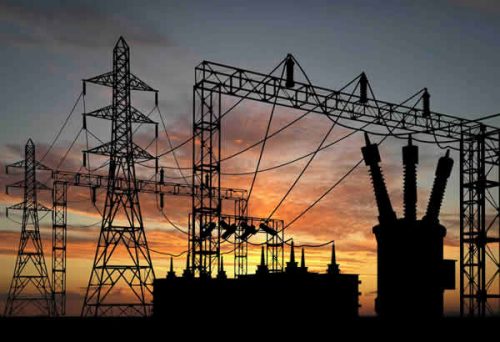
Vandalism targeting key power infrastructure has once again disrupted repair efforts on the Ahoada-Yenagoa 132kV transmission line, according to a statement released by the Transmission Company of Nigeria (TCN) on November 19, 2024. This incident marks the third vandalism attack on this particular line within four months, demonstrating a persistent threat to the integrity of Nigeria’s electrical grid. The most recent attack affected towers 29 to 31 and resulted in the theft of around one-third of the conductor, a significant loss that complicates ongoing repair efforts. TCN’s General Manager of Public Affairs, Ndidi Mbah, called upon the public to foster community awareness and support in protecting vital power infrastructure from such criminal acts.
In the recent attack, the TCN promptly initiated a response to assess the damage caused. The General Manager for the Port Harcourt Region, Emmanuel Akpa, led a team that conducted an inspection of the affected site to determine the extent of the vandalism. Despite the disturbances caused, TCN is committed to restoring power services in the area. The company has engaged local vigilantes to secure the site amid ongoing repair activities, highlighting a collaborative approach to safeguarding infrastructure. The urgency in these measures reflects the repeated targeting of this transmission line, underscoring the growing concern over the vulnerability of energy facilities to vandalism.
The statement emphasized the importance of community involvement in curbing such acts of vandalism, indicating that collective efforts are necessary to safeguard Nigeria’s power supply and promote stability across the electrical network. TCN also initiated preventive actions such as energizing the line from the Ahoada end to further diminish the chances of additional theft while repairs are underway. Furthermore, the company is working to replace the stolen conductor to expedite the restoration process. Challenges, including difficult terrain and flooding, have hindered repair progress; however, significant advancement has already been made, with approximately 85 percent of the restringing of the Ahoada-Yenagoa line completed.
In addition to the Ahoada-Yenagoa incident, the scope of vandalism affecting Nigeria’s power infrastructure appears broader. Earlier in November, the TCN faced similar attacks on transmission towers situated in the Okada and Ofosu communities along the 330kV Benin-Egbin and Benin-Omotosho lines. These assaults resulted in significant damage, affecting a total of 31 towers in the region, exacerbating the challenges faced by the transmission company in maintaining service reliability. The repeated nature of these attacks serves as a call to action for regulatory bodies and community leaders to foster a zero-tolerance environment for vandalism.
The impact of such vandalism extends beyond immediate repair challenges; it poses risks to energy supply and can cause widespread outages affecting residential and commercial users alike. With many areas already grappling with power supply issues, continued attacks on vital infrastructure could lead to prolonged disruptions, hindering economic activities and overall progress in regions that depend heavily on stable electricity access. TCN’s emphasis on community engagement aligns with the necessity for a more comprehensive strategy that involves the public in monitoring and reporting acts of vandalism.
Ultimately, the ongoing threats to power transmission lines highlight the larger systemic issue of infrastructure security in Nigeria, emphasizing the need for proactive measures and collaboration among government agencies, local communities, and organizations such as TCN. Through enhanced vigilance, reporting of suspicious activities, and potential legislative measures against vandalism, stakeholders can work together to mitigate risks and ensure the stability of the nation’s power supply. As seen with the recent attacks on transmission lines, the fight against infrastructure vandalism is crucial for securing the future growth and resilience of Nigeria’s energy sector.









