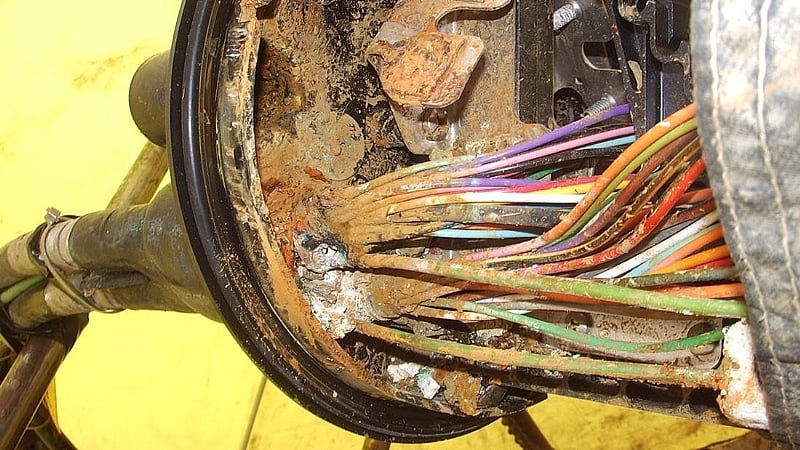
Ghana’s telecommunications infrastructure is facing a critical threat due to the rampant damage of fiber optic cables, primarily caused by human activities. Between January and November 2024, a staggering $17,415,886.87 was spent on repairing these vital cables, an average of $1,639.61 per incident. This substantial financial burden diverts resources that could be used for network expansion and improvement, hindering the country’s digital progress. The sheer number of reported incidents—10,233 within 11 months—underscores the severity of the problem and necessitates immediate and comprehensive solutions. This recurring damage not only disrupts essential communication services but also jeopardizes Ghana’s aspirations for a robust digital economy.
The primary culprit behind these cable cuts is road construction, accounting for 20.68% of the reported cases. This highlights the lack of coordination between road contractors and telecommunication companies, leading to inadvertent damage during excavation and construction activities. Theft and vandalism contribute another 13.98% of the damage, indicating a security challenge that needs to be addressed. Private developer activities also play a significant role, constituting 13.4% of the incidents. This suggests a need for stricter regulations and oversight of private construction projects to ensure they don’t compromise existing telecommunications infrastructure. Other contributing factors include damage to poles, broken cables, drain construction, floods, and fires, further emphasizing the vulnerability of these crucial communication lifelines.
The Ghana Chamber of Telecommunications (GCT) has recognized the gravity of the situation and is actively working to mitigate the problem. Collaborative efforts with stakeholders, including contractors through the Association of Contractors, aim to raise awareness and promote responsible practices. Engaging contractors at their annual general meeting allows for direct communication and the establishment of guidelines to minimize future damage. The GCT is also advocating for new regulations that would prevent repeated digging in areas where roads have already been developed, protecting existing cables and facilitating the laying of new cables without further disruption. This proactive approach seeks to address the root causes of the problem and ensure the long-term integrity of Ghana’s fiber optic network.
The consequences of these frequent fiber cuts are far-reaching, impacting individuals, businesses, and essential services. Widespread disruptions to internet connectivity have been reported throughout the year, affecting data transmission, VoIP services, and general internet access. In March 2024, outages affecting multiple submarine fiber optic cables caused significant nationwide disruptions, highlighting the vulnerability of international connectivity. Similarly, in October 2024, MTN Ghana attributed 70-80% of its network challenges to fiber cuts, primarily caused by road contractors and property developers. The financial impact is substantial, with MTN Ghana alone spending five million Cedis to repair over 62 kilometers of damaged fiber cables in the Central Region.
These disruptions have wider implications beyond individual inconvenience. Businesses that rely on stable internet connectivity for their operations face significant challenges, impacting productivity and potentially leading to financial losses. Essential services, such as healthcare and education, are also affected, hindering access to critical information and services. The cumulative effect of these disruptions poses a serious threat to Ghana’s economic growth and development, underscoring the urgent need for effective solutions. The situation necessitates a collaborative approach involving all stakeholders – telecommunication companies, government agencies, contractors, and developers – to ensure the protection and sustainability of this critical infrastructure.
The seriousness of the situation has prompted Dr. Kenneth Ashigbey, CEO of the GCT, to describe the situation as “worrying,” calling for immediate and decisive action. The repeated disruptions and the significant financial burden associated with repairs underscore the need for a comprehensive and sustainable solution. Protecting Ghana’s fiber optic network is crucial not only for maintaining current communication services but also for enabling future digital advancements and supporting the country’s overall economic development. The long-term solution requires a shift in mindset and practice, emphasizing the importance of protecting telecommunications infrastructure as a shared national asset.