









Paragraph 1: The Call for Collaboration
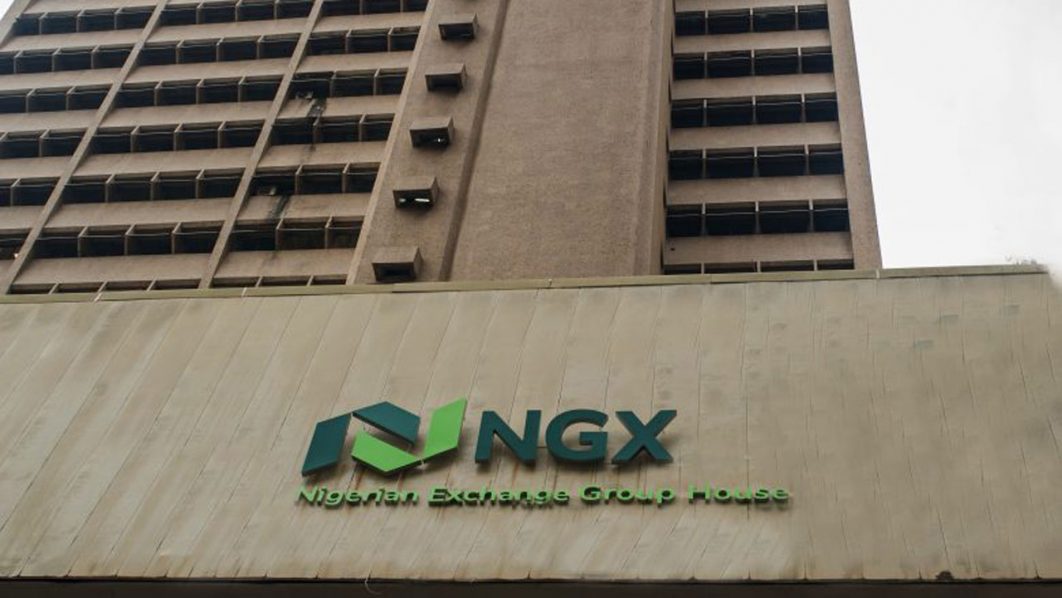
The Nigerian stock market, like any other financial market, is vulnerable to fraudulent activities that can undermine its integrity and erode investor confidence. Recognizing this vulnerability, Olufemi Shobanjo, the Chief Executive Officer of the Nigerian Exchange Regulation (NGX RegCo), has called for stronger collaboration with the Economic and Financial Crimes Commission (EFCC). This call underscores the growing need for a united front against financial crimes in Nigeria’s capital market, especially in light of the market’s recent growth and the accompanying increase in attempts by criminal elements to exploit it.
Paragraph 2: The Significance of the Visit
Shobanjo’s visit to the EFCC’s Executive Chairman, Ola Olukoyede, at the Commission’s headquarters in Abuja, signifies the seriousness of the NGX RegCo’s commitment to safeguarding the market. It highlights the recognition that while the NGX RegCo plays a crucial role in regulating market activities, it lacks the criminal jurisdiction required to effectively prosecute financial crimes. Therefore, partnering with the EFCC, an agency specifically mandated to combat economic and financial crimes, becomes essential in tackling the sophisticated schemes employed by fraudsters. The visit also serves as a platform to discuss practical strategies for enhancing cooperation and information sharing between the two institutions.
Paragraph 3: Reviving the 2013 MoU
A key aspect of Shobanjo’s appeal is the revival of a 2013 Memorandum of Understanding (MoU) between the NGX and the EFCC. This MoU, which had facilitated cooperation in earlier years, needs to be revisited and updated to address the evolving nature of financial crimes, particularly in the context of the rapidly expanding digital trading ecosystem. The digital age has brought with it new challenges, including cybercrime, online fraud, and market manipulation through digital platforms. The revised MoU should incorporate provisions that tackle these emerging threats effectively.
Paragraph 4: The EFCC’s Response and Commitment
The EFCC Chairman, Ola Olukoyede, responded positively to Shobanjo’s call for collaboration. He acknowledged the NGX RegCo’s concern for regulatory compliance and pledged the Commission’s commitment to supporting the Exchange in its efforts to maintain market integrity. Olukoyede emphasized the importance of compliance and outlined steps to strengthen cooperation, including the potential establishment of a dedicated desk within the EFCC to handle matters related to the capital market. This proactive approach demonstrates the EFCC’s recognition of the crucial role the stock market plays in the nation’s economic development and its determination to protect it from criminal activities.
Paragraph 5: Strengthening Cooperation and Addressing Emerging Threats
Olukoyede’s commitment to review the 2013 MoU and make necessary adjustments in line with current laws and regulations further underscores the seriousness with which the EFCC views this collaboration. The review process will likely involve identifying specific areas where cooperation is needed, outlining the responsibilities of each agency, and establishing clear communication channels. This strengthened cooperation is expected to bolster efforts to protect the stock market from various forms of fraud, including insider trading, market manipulation, and Ponzi schemes, while also addressing the emerging threats posed by the digital trading environment.
Paragraph 6: The Mutual Benefits and Broader Impact
The renewed collaboration between the NGX RegCo and the EFCC promises mutual benefits. For the NGX RegCo, it enhances its ability to detect and deter fraudulent activities, thus strengthening investor confidence and promoting market stability. For the EFCC, it provides deeper insights into the workings of the capital market, enabling more effective investigation and prosecution of financial crimes. Ultimately, this partnership contributes to a more secure and transparent capital market, benefiting investors, listed companies, and the Nigerian economy as a whole. A robust and well-regulated stock market is essential for attracting investment, fostering economic growth, and creating jobs, thereby contributing to the nation’s overall development.









