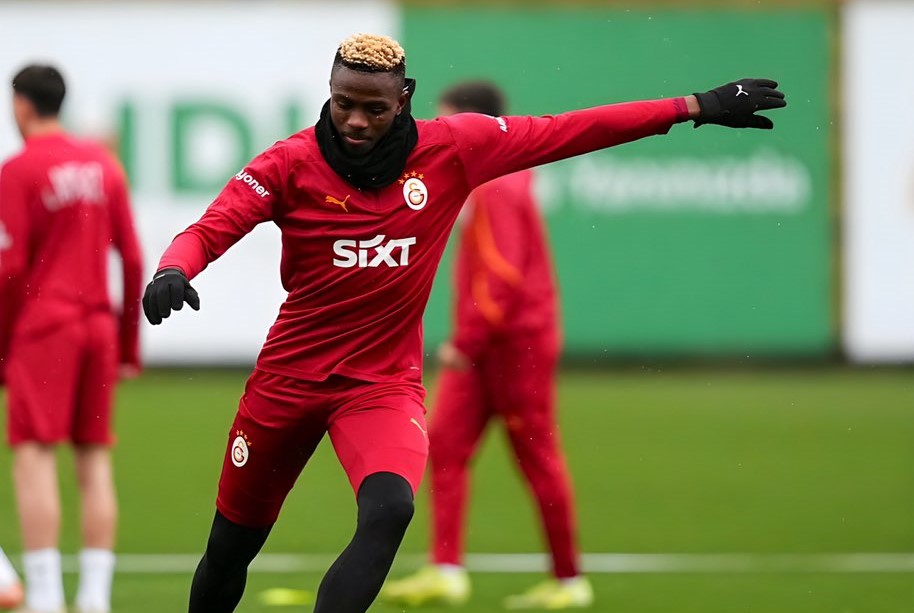
Paragraph 1: The Impending Transfer of Victor Osimhen to Al-Hilal
The football world is abuzz with the news of Victor Osimhen’s potential move to Saudi Arabian champions Al-Hilal. The Nigerian striker, currently playing for Napoli, is reportedly in advanced talks with the club, with personal terms nearing agreement. The proposed deal, potentially worth up to €50 million, would see Osimhen earn an annual salary of €17.5 million, inclusive of bonuses. This significant financial package underscores the growing influence of the Saudi Pro League in attracting top-tier talent from European leagues. While the personal terms have been largely agreed upon, the transfer hinges on the approval of the Saudi Arabian Ministry of Sports, which controls the release of the necessary funds.
Paragraph 2: The Role of the Saudi Government in the Transfer
A key element in this transfer saga is the involvement of the Saudi Arabian government. Al-Hilal requires government funding to finalize the deal, and the "financial viability" committee within the Ministry of Sports has yet to grant its approval. This governmental oversight reflects the strategic approach of Saudi Arabia in using football as a tool for national development and global projection. While this bureaucratic hurdle presents a temporary obstacle, all parties remain optimistic about the transfer’s completion. Osimhen himself has reportedly expressed his willingness to join Al-Hilal, signifying his attraction to the project and the lucrative offer.
Paragraph 3: Osimhen’s Shift in Transfer Direction and European Interest
Osimhen’s potential move to Saudi Arabia marks a significant turn in his transfer narrative. Previously linked with prominent European clubs such as Chelsea, Manchester United, and Juventus, the striker’s wage demands proved a stumbling block for these suitors. The financial power of the Saudi Pro League clubs, backed by government resources, allows them to compete with European giants for top talent. This shift highlights the emerging challenge to European football’s dominance in the global transfer market. The Saudi Pro League’s growing ability to attract star players could reshape the football landscape in the coming years.
Paragraph 4: Manchester United’s Role and Napoli’s Stance
Manchester United’s lukewarm pursuit of Osimhen, described as underwhelming by sources close to the player, seemingly paved the way for Al-Hilal’s approach. Osimhen’s frustration with the lack of concrete interest from the Premier League side pushed him towards considering the Saudi offer. Meanwhile, Napoli, Osimhen’s current club, holds the player’s contract until 2026, with an option to extend until 2027. While Napoli would prefer to retain their star striker, the combination of Osimhen’s desire to move and Al-Hilal’s financial might makes a transfer increasingly probable.
Paragraph 5: The Saudi Pro League’s Growing Influence and Implications for Football
The potential arrival of Osimhen signifies the Saudi Pro League’s continued ambition to become a major force in world football. Luring a player of Osimhen’s caliber would further enhance the league’s profile and attract other top players. This influx of talent is part of a broader strategy to elevate Saudi Arabia’s sporting landscape and global influence. The financial power of the Saudi clubs, backed by government investment, is disrupting the established transfer market dynamics, challenging the traditional dominance of European leagues. This shift could lead to a more competitive global football landscape with a greater distribution of talent across different leagues.
Paragraph 6: The Potential Impact on Osimhen’s Career and the Future of Transfers
For Osimhen, the move to Saudi Arabia represents a significant financial windfall and a chance to be a central figure in a rapidly developing league. While it might take him away from the European spotlight, it offers an opportunity to contribute to a burgeoning football project. The transfer, if completed, will serve as a further example of the changing dynamics of the football transfer market, where financial muscle and ambitious projects outside of Europe are increasingly influencing player decisions. The long-term implications of this trend on the balance of power in global football remain to be seen, but it is clear that the traditional hierarchy is being challenged.