





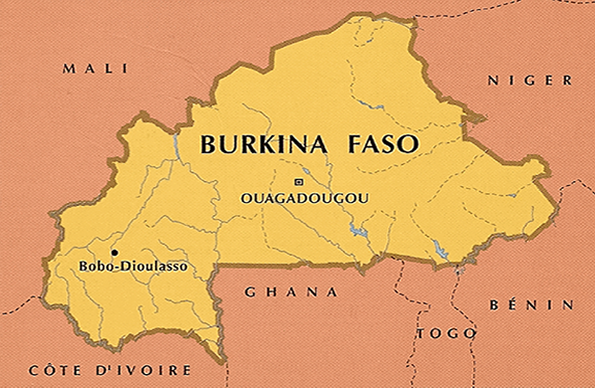
The arid and volatile border region of Tera in western Niger, a known haven for jihadist groups linked to both Al-Qaeda and the Islamic State, has witnessed a surge in violence, leaving scores of civilians dead. The Nigerien defense ministry confirmed two separate attacks in the villages of Libiri and Kokorou, claiming the lives of 21 and 18 individuals respectively, including children. These brutal assaults, described by the ministry as “barbaric acts,” were purportedly retaliatory measures by militants pushed into a corner by ongoing military operations. The attacks highlight a growing trend of extremist violence targeting vulnerable civilian populations in the region, amidst escalating counter-terrorism efforts. While the precise timing of the attacks remains unclear, the defense ministry confirmed the military operations occurred between December 12 and 14. This recent wave of violence underscores the precarious security situation in the tri-border area where Niger, Burkina Faso, and Mali converge.
The attacks on Libiri and Kokorou are just the latest in a series of violent incidents to plague the Tera region. Prior to these attacks, on December 7, local sources reported to AFP that 21 civilians were killed in an ambush on a goods convoy. Furthermore, reports emerged on December 13 from both the BBC and RFI alleging a significantly more devastating attack in the village of Chatoumane, where jihadists were said to have killed 90 soldiers and over 40 civilians. While these figures haven’t been independently verified by AFP, a Western security source corroborated the scale of the attack, suggesting a death toll between 90 and 100. The Nigerien military junta, which seized power in a July 2023 coup, has vehemently denied these reports, dismissing them as “baseless assertions” and part of a disinformation campaign.
The junta’s response to these reports and the escalating violence underscores the increasingly tense political climate in Niger. The military government’s decision to suspend BBC radio broadcasting for three months following their report on the Chatoumane attack highlights a growing trend of stifling independent media coverage. This instance is not isolated; since the coup, the junta has targeted several Western media outlets, imposing sanctions and restricting their operations. This pattern of media suppression raises concerns about transparency and access to information regarding the true extent of the security crisis and human rights situation in the country. The junta’s actions appear to prioritize controlling the narrative surrounding the conflict over addressing the mounting civilian casualties and the escalating violence perpetrated by extremist groups.
The escalating violence in western Niger reveals the complex and intertwined challenges facing the region. The porous borders, coupled with the presence of well-established jihadist groups, create fertile ground for extremist activities. The fragility of governance, exacerbated by the recent coup and subsequent political instability, further complicates efforts to combat these groups. The targeting of civilians underscores the brutal nature of the conflict and the vulnerability of communities caught in the crossfire. The junta’s attempts to control information and suppress dissenting voices only serve to obscure the reality on the ground and hinder effective responses to the crisis. The international community faces a critical challenge in addressing the root causes of the conflict and providing necessary support to the affected populations.
The situation in Niger demands a multi-faceted approach that goes beyond military responses. While counter-terrorism operations are essential in disrupting extremist networks, they must be accompanied by strategies that address the underlying grievances that fuel these groups’ recruitment and support. This includes promoting inclusive governance, fostering economic development, and strengthening social cohesion within communities. Furthermore, the junta’s suppression of independent media and its denial of reported atrocities must be addressed. Transparency and accountability are crucial in ensuring a credible and effective response to the crisis. The international community must exert pressure on the junta to respect human rights, allow for independent investigations into alleged abuses, and ensure that humanitarian aid reaches those in need.
The escalating violence in western Niger is not just a localized security concern, but a regional and international challenge. The cross-border nature of the jihadist threat necessitates greater regional cooperation among countries in the Sahel to address the shared security concerns. International partners must support these regional efforts by providing technical assistance, capacity building, and financial resources to strengthen the capacity of states to combat terrorism and promote stability. Addressing the humanitarian crisis unfolding in the region is also paramount. Providing aid and assistance to displaced populations and ensuring their protection is a critical priority. A comprehensive approach that combines security measures, development initiatives, and respect for human rights is essential to address the complex challenges facing Niger and to prevent further escalation of violence in the Sahel.








