





The Arrest and Release of TikToker SeaKing: A Deep Dive into Cyberbullying, Religious Sensitivity, and Freedom of Expression
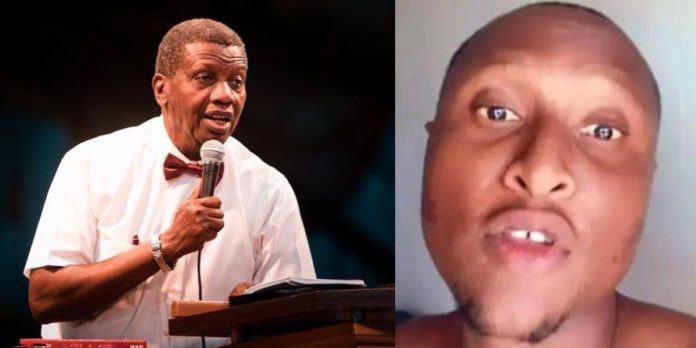
Olumide Ogunsanwo, a Nigerian TikTok content creator known as SeaKing, recently found himself at the center of a controversy involving allegations of cyberbullying against Pastor Enoch Adeboye, the General Overseer of the Redeemed Christian Church of God (RCCG). The incident sparked a debate about the boundaries of online expression, religious sensitivities, and the role of law enforcement in regulating social media activity. SeaKing’s arrest by the Federal Investigation Department (FID) in Abuja brought the issue into sharp focus, raising questions about the proportionality of the response and the potential chilling effect on free speech. Following public outcry and legal intervention, SeaKing was eventually released on bail, marking a temporary resolution to this complex situation.
The controversy began with a TikTok video posted by SeaKing, the content of which was deemed offensive and disrespectful towards Pastor Adeboye by some individuals and groups. While the exact nature of the video’s content remains somewhat unclear in publicly available reports, it reportedly contained remarks critical of the pastor and his religious practices. The video quickly gained traction on social media, generating a mixed reaction from viewers. Some found it humorous and within the bounds of acceptable satire, while others considered it deeply offensive and an act of cyberbullying. This divergence of opinion highlighted the subjective nature of interpreting online content and the challenges in defining the limits of permissible expression.
The situation escalated when a formal complaint was lodged against SeaKing, alleging cyberbullying and defamation of character. The FID subsequently arrested the TikToker, citing violations of relevant cybercrime laws. The arrest sparked a wave of protests, particularly from online communities and free speech advocates, who argued that the government’s response was heavy-handed and disproportionate to the alleged offense. They contended that SeaKing’s actions, while potentially offensive to some, did not constitute a legitimate threat or warrant such drastic measures. Concerns were raised about the potential for stifling legitimate criticism and dissenting voices under the guise of combating cyberbullying.
Omoyele Sowore, a prominent Nigerian activist and former presidential candidate, played a significant role in advocating for SeaKing’s release. He publicly condemned the arrest, characterizing it as an infringement on freedom of expression and a misuse of state power. Sowore’s vocal support and legal efforts contributed to raising awareness about the case and applying pressure on the authorities to reconsider their actions. He argued that the arrest set a dangerous precedent, potentially emboldening future crackdowns on online dissent and critical speech.
After spending several days in custody, SeaKing was granted bail. While his release was celebrated by his supporters and free speech advocates, it did not fully resolve the underlying issues raised by the case. The charges against him remain, and the legal proceedings are expected to continue. The incident serves as a stark reminder of the ongoing tensions between freedom of expression and the need to regulate harmful online behavior. It also underscores the challenges faced by law enforcement and judicial systems in navigating the complexities of online speech and determining the appropriate response to potentially offensive content.
The SeaKing case raises several critical questions that deserve further consideration. What are the appropriate boundaries of online satire and criticism, particularly when directed towards religious figures? How can we effectively combat genuine cyberbullying without unduly restricting legitimate forms of expression? What role should law enforcement play in regulating online speech, and how can we ensure that their actions are proportionate and respect fundamental human rights? These are complex and nuanced questions that require ongoing dialogue and engagement from various stakeholders, including policymakers, legal experts, civil society organizations, and the online community itself. The outcome of SeaKing’s case and the subsequent public discourse will undoubtedly shape the future landscape of online expression in Nigeria and beyond.








