









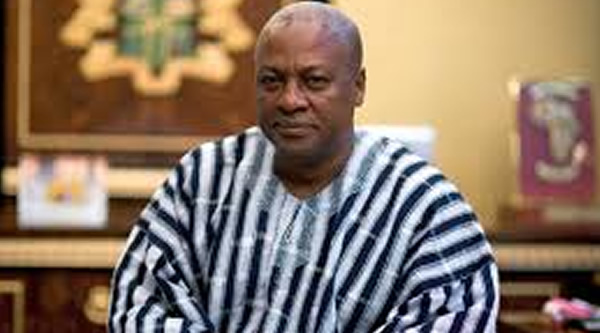
The political landscape of Ghana witnessed a significant shift with the conclusion of the December 7, 2024, general election. While the official results were yet to be declared by the Electoral Commission, Vice President Mahamudu Bawumia, the candidate of the ruling New Patriotic Party (NPP), conceded defeat to his rival, John Mahama of the National Democratic Congress (NDC). Bawumia’s concession came amidst reports of tensions and skirmishes in some constituencies, a move aimed at de-escalating the situation and upholding peace. The NDC’s internal tallies projected Mahama’s victory with a substantial lead of 56.3% of the vote against Bawumia’s 41.3%. This development marks Mahama’s return to the presidency, having previously served from 2012 to 2017.
Nigerian President Bola Tinubu promptly extended his congratulations to Mahama in a telephone conversation, commending the Ghanaian people for their unwavering commitment to democracy, exemplified by the peaceful conduct of the elections. Tinubu expressed his hope that Mahama’s second term would contribute to the stability of the Economic Community of West African States (ECOWAS), a regional body currently chaired by Tinubu himself. He lauded Ghanaians for reaffirming their faith in democracy as the cornerstone of political stability, economic progress, social justice, and transparent governance in Africa. This, Tinubu emphasized, serves as a testament to the region’s unwavering belief in the people’s right to freely choose their leaders.
Tinubu’s congratulatory message also acknowledged Bawumia’s gracious concession, highlighting it as a testament to Ghana’s deeply rooted democratic values. He praised Bawumia for prioritizing the nation’s stability by accepting the outcome even before the official announcement by the Electoral Commission. This gesture, Tinubu noted, further strengthens the democratic ethos of Ghana and sets a positive example for the region. Tinubu expressed his confidence in Mahama’s leadership, referencing his previous tenure as president and his extensive political experience, which includes serving as Vice President and a Member of Parliament.
Mahama’s victory signifies the trust the Ghanaian people have placed in his vision to propel the nation forward. His political journey, spanning several decades, showcases a wealth of experience. Beginning his parliamentary career in 1997, he later served in various deputy and ministerial roles before ascending to the vice presidency in 2009. This culminated in his first term as president from 2012 to 2017, providing a solid foundation for his return to Jubilee House. His victory underscores the electorate’s confidence in his ability to address the nation’s challenges and steer it towards greater prosperity.
President Tinubu reiterated Nigeria’s commitment to fostering stronger ties with Ghana, emphasizing the shared history, cultural affinities, mutual support, and collaborative endeavors that bind the two nations. He underscored the importance of Pan-African ideals, democratic principles, the rule of law, and economic integration as guiding principles for their bilateral relations. Tinubu expressed his gratitude to outgoing President Nana Akufo-Addo for his leadership and contributions to Ghana’s progress, as well as his role in promoting regional peace and stability.
Looking ahead, President Tinubu affirmed his eagerness to collaborate with the incoming Mahama administration. He envisions a strengthened bilateral partnership across diverse sectors, aiming to forge a brighter future for the West African region. This collaboration signifies a commitment to shared progress and a unified approach to addressing regional challenges. Tinubu’s proactive approach underscores the importance of inter-regional cooperation in driving development and ensuring stability within the West African sub-region. The two nations stand poised to build on their historical ties and work towards a mutually beneficial future.









