





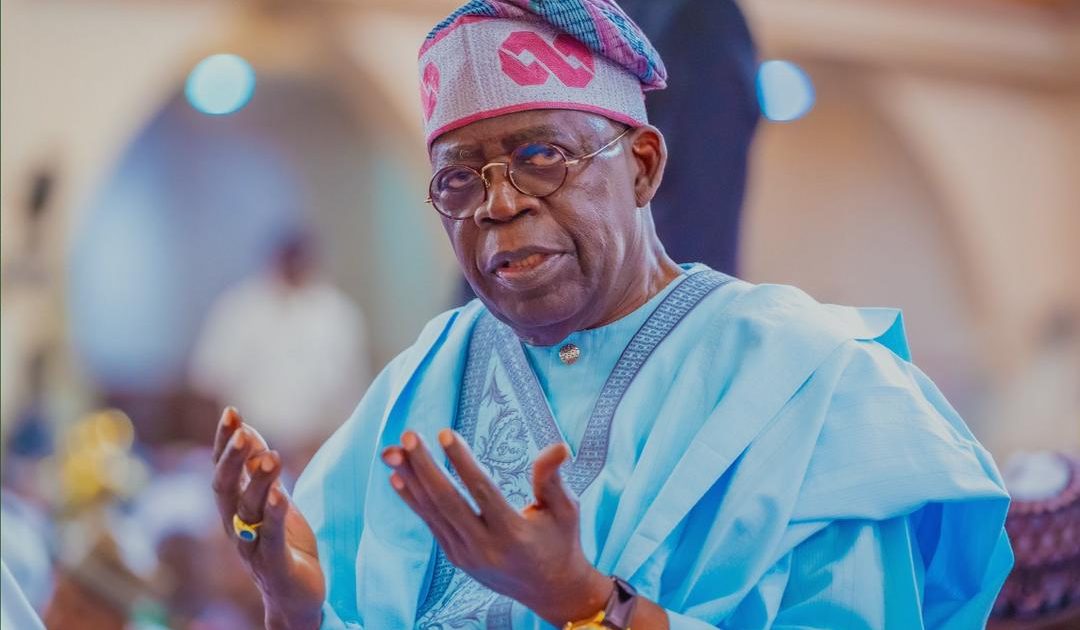
President Bola Tinubu’s proposed tax reform bills have ignited a firestorm of controversy, particularly among northern governors who view the legislation as detrimental to their region’s economic interests. Tinubu, facing this mounting opposition, has initiated a series of consultations and back-channel discussions with northern elites and political figures, aiming to smooth out concerns and pave the way for the bills’ passage. Despite these overtures, the northern governors remain steadfast in their rejection, demanding the withdrawal of the bills from the National Assembly for more comprehensive consultations. The core of their discontent lies in the proposed VAT distribution model, which they argue unfairly favors the south and undermines the north’s economic well-being. This clash of perspectives sets the stage for a potentially protracted political battle over the direction of Nigeria’s fiscal policy.
The tax reform bills, introduced to the National Assembly in October 2024, encompass a comprehensive overhaul of the Nigerian tax system. The package includes the Nigeria Tax Bill 2024, the Nigeria Tax Administration Bill, the Nigeria Revenue Service (Establishment) Bill, and the Joint Revenue Board (Establishment) Bill. The northern governors’ primary concern revolves around the VAT distribution model, which they perceive as skewed towards the south due to factors like the location of company headquarters and consumption patterns. They argue that this model would deprive the north of its fair share of revenue, exacerbating existing economic disparities. Their rejection of the bills is rooted in the belief that the proposed reforms, while potentially beneficial to some regions, would inflict significant harm on the north’s economic prospects.
The Northern Governors Forum, through a communiqué issued in late October 2024, formally articulated their opposition to the tax reform bills. They expressed dismay at the proposed VAT distribution model, labeling it detrimental to the north’s interests. The forum urged members of the National Assembly to reject any legislation that could negatively impact the region’s economic well-being. Several prominent northern governors have voiced their dissent publicly, with some describing the bills as “anti-northern” and warning of potential repercussions if the policies are pursued. This unified front of opposition from the north underscores the depth of their concern and the potential for escalating political tensions.
President Tinubu, however, remains unwavering in his commitment to the tax reforms. In a December media chat, he emphasized the necessity of modernizing the tax system to address the country’s economic challenges. He argued that the reforms are pro-poor, aiming to widen the tax net and generate more revenue for the benefit of all Nigerians. Tinubu acknowledged the calls for further consultation but asserted that delaying the reforms would not appease all parties. His resolve to push forward with the bills despite significant opposition highlights the importance he places on these reforms as a cornerstone of his economic agenda.
Despite Tinubu’s efforts to engage with northern leaders and address their concerns, the governors remain adamant in their opposition. They maintain that the bills must be withdrawn for further consultation and revision. Several governors have reiterated their unwavering stance, emphasizing the collective nature of their opposition and the importance of protecting the north’s economic interests. This steadfast resistance signals a potential impasse in the legislative process, raising questions about the fate of the tax reform bills and the broader political implications of this clash between the executive and a significant regional bloc.
Adding to the chorus of opposition are voices from civil society and political analysts who have also expressed reservations about the tax reform bills. Some argue that the bills were not designed with the north’s interests in mind, advocating for their withdrawal and broader stakeholder consultation. They criticize the government’s approach, suggesting that rushing sensitive reforms through the legislature is counterproductive and fails to address legitimate concerns. While some southern lawmakers have countered these calls, arguing that concerns can be addressed during the legislative process, the growing dissent from various quarters underscores the need for a more inclusive and consultative approach to tax reform. The clash of opinions and the potential for protracted political maneuvering suggest that the path forward for these tax reforms remains uncertain.








