





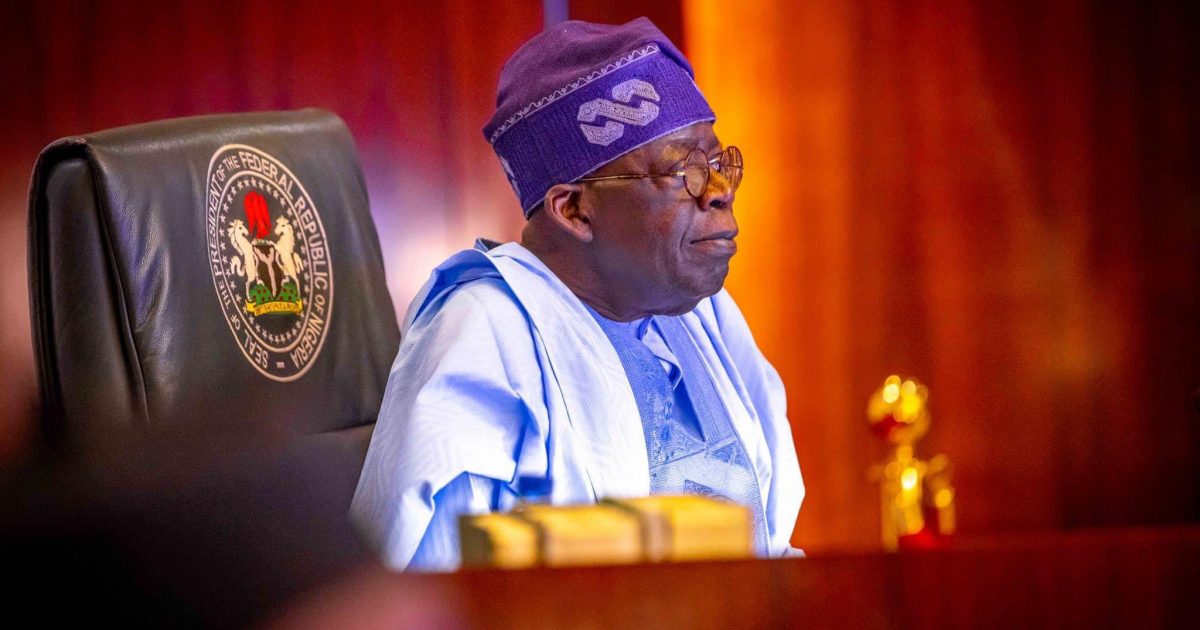
President Bola Tinubu’s visit to Enugu State marked a significant commitment to infrastructural development and economic growth in Nigeria’s South East region. The President engaged with South East leaders, addressing their concerns and outlining his administration’s plans to bolster the region’s economy and security. Central to these plans is the completion of the Eastern Rail line, a crucial project connecting Port Harcourt in the Niger Delta to Maiduguri in the northeast. This ambitious railway project, initially launched by the previous administration, has faced delays and challenges. President Tinubu assured the leaders of his commitment to overcoming these hurdles and completing the project, emphasizing its potential to stimulate economic activity and facilitate trade across the region. He also acknowledged the strategic importance of the Anambra Basin as a substantial energy reserve, pledging support for its development and utilization in power generation and industrial applications.
The Eastern Rail line, traversing key South Eastern cities such as Umuahia, Owerri, Awka, Enugu, and Abakaliki, promises to transform transportation infrastructure and unlock economic opportunities. Its completion is projected to enhance connectivity, reduce travel times, and lower transportation costs, thereby boosting trade and investment. Moreover, the project aligns with the government’s broader goal of diversifying the economy and promoting non-oil exports. By providing efficient and reliable transportation, the railway is expected to facilitate the movement of goods and services, opening new markets and creating employment opportunities. The development of the Anambra Basin’s energy resources complements this infrastructure development, offering the potential for increased power generation and the provision of vital feedstock for industries across the country.
President Tinubu’s engagement with South East leaders demonstrated a responsiveness to regional concerns and priorities. Former Power Minister Chinedu Nebo and Enugu indigene Chris Ugoh emphasized the importance of these infrastructure projects. Nebo specifically highlighted the Eastern Rail line’s potential to drive non-oil exports and stimulate economic growth. Ugoh underscored the Anambra Basin’s significance as a valuable energy source, capable of powering industrial development and supporting electricity generation not only in the South East but also in other regions, including the Middle Belt and the North. These interventions reinforced the strategic importance of these projects for national development and regional prosperity.
Security concerns also figured prominently in the discussions. Onyemauche Nnamani, the South East representative in the Police Service Commission, advocated for the implementation of modern security strategies in the region. He proposed adopting approaches similar to Enugu State’s statewide CCTV system and patrol vehicles equipped with surveillance cameras, emphasizing their effectiveness in crime prevention and response. Nnamani also urged a shift away from traditional checkpoint-based security, which he deemed inefficient and vulnerable to attacks by non-state actors. This call for enhanced security measures reflects the need for a robust and adaptive security architecture to ensure stability and facilitate economic progress in the region.
President Tinubu’s response to these concerns and requests was reassuring. He acknowledged inheriting some of the challenges but affirmed his commitment to addressing them decisively. He emphasized the importance of investing in gas infrastructure as an alternative to petrol, signifying his administration’s focus on diversifying energy sources and promoting sustainable development. His acknowledgment of the governors’ collaborative role underscored the importance of intergovernmental partnerships in achieving these objectives. The President’s comments also highlighted his commitment to addressing the concerns raised by community leaders, recognizing the need for both infrastructure development and security enhancements to create an enabling environment for economic growth and prosperity.
The President’s visit also showcased Enugu State’s own development initiatives, including the commissioning of several projects by Governor Peter Mbah. These projects, ranging from educational facilities like the GTC Smart Green School to enhanced security infrastructure such as the Command-and-Control Center and patrol vehicles, reflect a comprehensive approach to development. President Tinubu praised Mbah’s development model and philosophy, pledging continued federal support for such state-level initiatives. The inauguration of these projects not only demonstrated the state’s commitment to progress but also symbolized the importance of collaboration between federal and state governments in driving national development. This partnership approach is crucial for effectively addressing the multifaceted challenges and opportunities facing Nigeria, fostering a collaborative environment for progress.








