









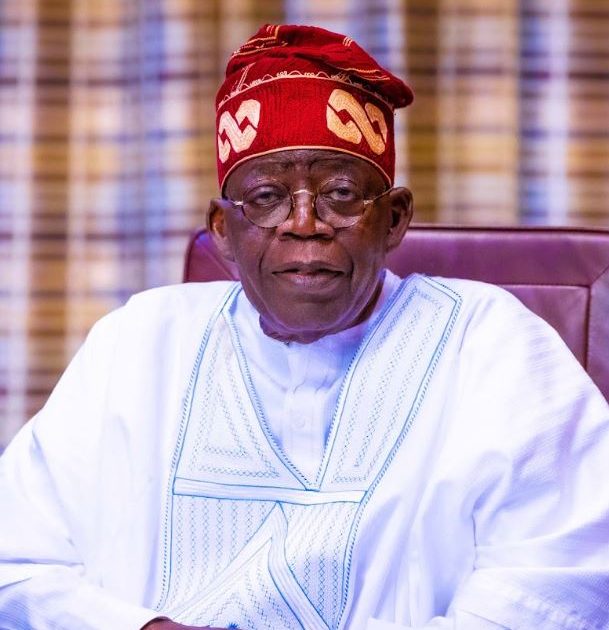
President Bola Tinubu of Nigeria, in his capacity as Chairman of the Economic Community of West African States (ECOWAS), has reiterated the regional bloc’s commitment to diplomatic resolutions for the political crises in Niger, Mali, and Burkina Faso. His primary concern is the welfare of the citizens in these nations, emphasizing the need to avoid actions that would negatively impact innocent populations. Tinubu expressed his reservations about the lack of clear transition programs and timelines from the military regimes in these countries, highlighting the importance of a defined path towards democratic governance. He assured that ECOWAS would prioritize the well-being of the citizens while working diligently to reintegrate the affected nations back into the regional body through diplomatic means.
Meeting with German President Frank-Walter Steinmeier in Abuja, Tinubu outlined ECOWAS’s strategy for addressing the political instability in the three countries. He stressed the bloc’s commitment to continued dialogue and engagement while simultaneously holding firm against unconstitutional governments. Tinubu emphasized that despite the uncertainty surrounding the transition programs, ECOWAS would not impose measures that would harm innocent citizens. He reassured Steinmeier that the lines of communication would remain open, facilitating collaboration and seeking peaceful resolutions to the complex situations. Tinubu also reiterated his dedication to upholding the principles of democracy and constitutional governance within the ECOWAS region.
Tinubu’s pronouncements come just days before a crucial ECOWAS summit where the heads of state will make critical decisions concerning the future of Niger, Mali, and Burkina Faso. Having been re-elected as ECOWAS Chairman, Tinubu has entrusted the mediation efforts with these countries to his Senegalese and Togolese counterparts, emphasizing a collaborative approach to resolving the political impasses. The backdrop to these developments is the series of military takeovers that have occurred in these nations: Mali in May 2021, Burkina Faso in September 2022, and Niger in July 2023. Guinea, facing a similar situation since September 2021, further complicates the regional political landscape.
ECOWAS responded to these coups with economic sanctions, aiming to isolate the military regimes and encourage a return to democratic rule. While some sanctions were eased earlier this year, the juntas in power have expressed intentions to withdraw from the regional bloc. The formation of the Alliance of Sahel States, a mutual defense pact among the military leaders of Niger, Burkina Faso, and Mali, adds another layer of complexity. Despite these challenges, ECOWAS remains steadfast in its pursuit of reintegrating these member states, advocating for dialogue and peaceful resolutions.
President Steinmeier, acknowledging the importance of regional stability and cooperation, expressed his support for ECOWAS’s diplomatic approach. He highlighted the significant economic and security implications for the West African region if these countries remain outside the ECOWAS framework. Steinmeier encouraged Tinubu to maintain diplomatic pressure while simultaneously developing contingency plans for economic cooperation within a potentially smaller ECOWAS bloc, recognizing the need for preparedness in the face of evolving political dynamics. He underscored the gravity of the situation, emphasizing the need for both engagement and foresight in addressing the complex challenges faced by ECOWAS.
The political crises in Niger, Mali, and Burkina Faso represent a critical juncture for West Africa. The delicate balance between upholding democratic principles, safeguarding the welfare of citizens, and maintaining regional stability presents significant challenges for ECOWAS. President Tinubu’s commitment to diplomatic solutions underscores the importance of dialogue and negotiation. The upcoming ECOWAS summit will be a pivotal moment, requiring strategic decisions that could shape the future of the region. The support from international partners like Germany highlights the global recognition of the importance of resolving these crises peacefully and effectively.









