





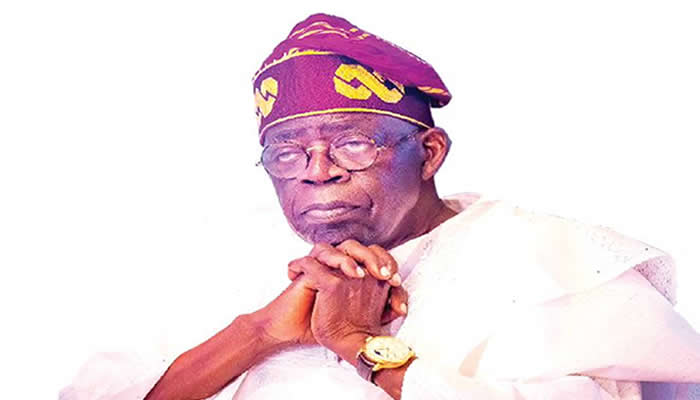
President Bola Tinubu is poised to submit a list of ambassadors-designate for Senate screening and confirmation as Nigeria seeks to fill a substantial diplomatic void. The anticipated list follows the recall of 83 ambassadors in September 2023, and sources indicate that the names could be sent to the Senate in early December 2024. This comes after months of diminished representation for Nigeria abroad, with 109 diplomatic missions existing globally, including 76 embassies, 22 high commissions, and 11 consulates, where leadership positions have remained vacant since the previous envoys returned home.
After the significant recall of ambassadors, it became essential for the Tinubu administration to reassess Nigeria’s foreign policy, leading to a government decision underscoring the President’s prerogative to appoint or recall ambassadors at will. Foreign Affairs Minister Yusuf Tuggar confirmed that ministry officials had compiled and submitted prospective appointees to the President; however, the nature and qualifications of those nominees, whether political or career diplomats, remain somewhat unclear. While political appointees typically reflect the President’s choices, career diplomats usually ascend through the ranks. Given the inherent complexities involved, the official pathway for nominee confirmation has invoked additional scrutiny during the process prior to its legislative presentation.
Communication and logistical hurdles are evident, with concerns raised regarding the urgency to appoint new heads of mission. Despite the interim appointment of consuls-general and chargés d’affaires, their authority remains markedly limited—they can manage general operations at embassies but lack the diplomatic clout to engage in high-stakes negotiations or communication with heads of state. Acknowledged funding issues have further delayed the process, resulting in frustrations across diplomatic platforms as vital international meetings unfold without Nigerian representation. The Foreign Affairs Minister has cited budget allocations as a primary determinant for new ambassadorial appointments, signaling that a resolution to the delay hinges on adequate financial resources.
Once the proposed list is submitted to the Senate, the legislative body will undertake its screening procedures. Reports indicate that once the Senate President receives the nominations, they could be announced publicly shortly thereafter. Nevertheless, even after approval, it may take an additional three to six months for the appointees to embark on their diplomatic missions. Factors influencing this timeline could range from the nature of Nigeria’s current international relationships, as countries often conduct thorough background assessments of nominees before granting their formal acceptance.
Despite the lengthy delay, names of potential appointees are reportedly circulating among political insiders, with speculation surrounding the selection of a presidential media aide for an ambassadorial role in Africa and others with significant profiles from various sectors considered for prominent positions. The potential inclusion of influential figures highlights the administration’s intent to elevate Nigeria’s diplomatic presence significantly. As consultations continue within governmental circles, expectations regarding the imminent announcement of the ambassadorial list continue to grow amidst calls for swifter action to address the ongoing diplomatic leadership void critical for Nigeria’s international engagement.
Concerns voiced by former diplomats reveal a broader apprehension regarding Nigeria’s lack of representation on the global stage, with implications that extend beyond immediate diplomatic operations. The absence of ambassadors could result in missed opportunities for negotiations and international partnerships, presenting a potential risk to Nigeria’s global standing. While Chargés d’affaires maintain some operational capability, their inability to engage at the senior levels with heads of state raises fears about the long-term consequences of inconsistent representation, prompting calls for timely resolutions to reestablish Nigeria’s diplomatic effectiveness and credibility in international affairs.








