





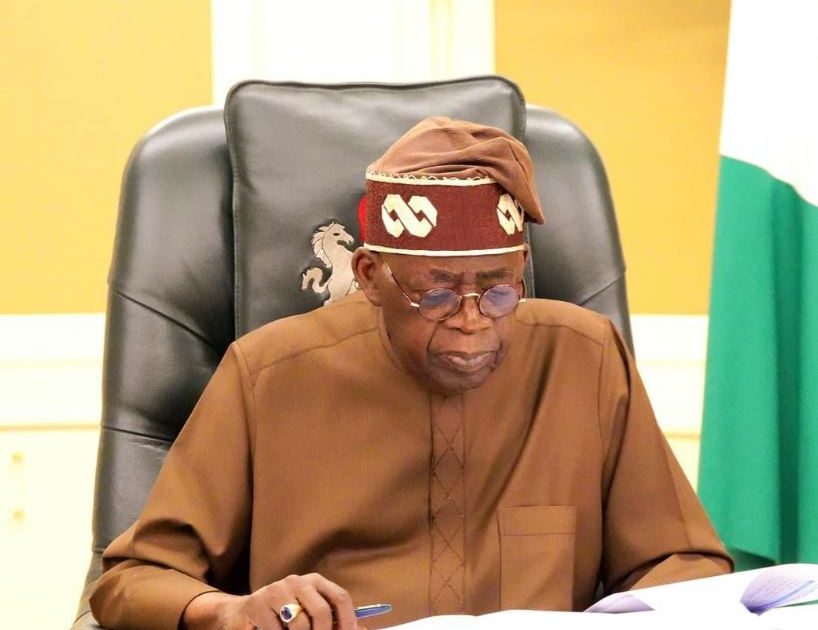
The prolonged absence of Nigerian ambassadors in its 109 global missions—76 embassies, 22 high commissions, and 11 consulates—has sparked growing concern. President Bola Tinubu’s delay in appointing new envoys, following the recall of all 83 career and non-career ambassadors in May 2023, has left a significant diplomatic void. While government officials have indicated that nominations will be sent to the National Assembly by the end of December, the eight-month delay raises questions about the impact on Nigeria’s international standing and its ability to effectively engage on the global stage. This extended period without full diplomatic representation has left key missions operating with limited authority, potentially hindering Nigeria’s influence in international affairs.
The recall of ambassadors shortly after President Tinubu’s inauguration was attributed to a reassessment of Nigeria’s foreign policy. While the Minister of Foreign Affairs, Yusuf Tuggar, asserted the President’s prerogative to recall and appoint ambassadors, the lengthy process of replacing them has drawn criticism. Although interim appointments of consuls-general and chargés d’affaires have been made to maintain basic operations in some missions, these officials lack the diplomatic clout to engage at the highest levels of government. This absence of fully accredited representatives could disadvantage Nigeria in critical negotiations and high-level discussions.
Despite assurances from government officials that the appointment process is underway, the extended timeline remains unexplained. Initial indications suggested that the nominees would primarily be career diplomats, chosen based on their experience within the foreign service. However, the final list requires presidential approval and subsequent confirmation by the National Assembly, a process that has seemingly encountered unforeseen delays. This delay contrasts with the urgency often associated with ambassadorial appointments, given their crucial role in representing national interests abroad.
The lack of permanent ambassadors has created a palpable sense of anticipation and concern within the Ministry of Foreign Affairs and among former diplomats. Many critical decisions and engagements are reportedly on hold, as embassies and high commissions await the arrival of their new leaders. The inability to participate fully in international meetings and negotiations due to a lack of high-level representation raises concerns about potential long-term consequences for Nigeria’s foreign policy objectives and its reputation within the international community. This diplomatic vacuum could undermine Nigeria’s ability to effectively advocate for its interests and participate in shaping global agendas.
Former diplomats have expressed apprehension regarding the extended absence of ambassadors, warning of potential damage to Nigeria’s international standing. They argue that chargés d’affaires, while capable of handling routine administrative matters, lack the authority and diplomatic experience to engage effectively with heads of state and participate in high-stakes negotiations. This limitation could hinder Nigeria’s ability to advance its foreign policy goals and maintain strong bilateral relationships with key partners. The perception of instability arising from the prolonged absence of ambassadors could also negatively impact foreign governments’ perception of Nigeria.
The delay in appointing ambassadors raises concerns beyond the immediate operational challenges. The absence of high-level representation could undermine Nigeria’s influence in regional and international forums, potentially affecting its ability to secure favorable outcomes in trade negotiations, diplomatic initiatives, and multilateral engagements. Moreover, the prolonged vacancy in key diplomatic posts could send a signal of uncertainty to the international community, potentially impacting investor confidence and hindering economic cooperation. Addressing this diplomatic gap promptly is crucial for safeguarding Nigeria’s interests and maintaining its active role in global affairs.








