









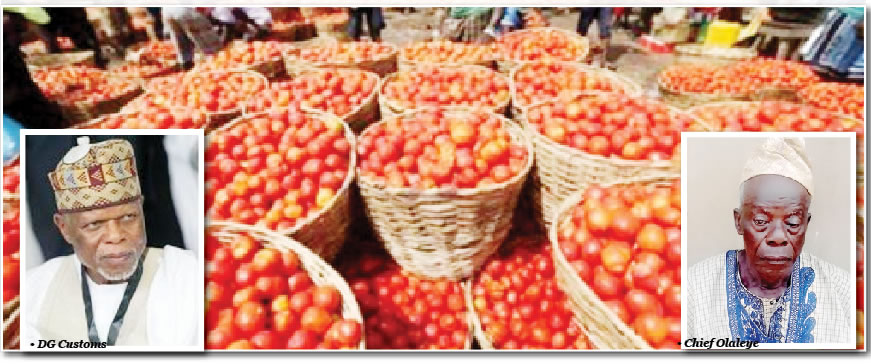
The National Tomato Growers, Processors, and Marketers Association of Nigeria (NATPAN) has issued a call to the Federal Government, urging intervention to mitigate the substantial post-harvest losses plaguing the tomato industry. These losses, which occur between the farm and the market, represent a significant challenge for tomato farmers, especially smallholders who lack the resources to implement effective preservation and transportation methods. Mr. Rabiu Zuntu, the Chairman of NATPAN’s Kaduna State chapter, emphasized the critical need for government support to equip farmers with the necessary tools and infrastructure to minimize these losses and unlock the industry’s full potential. He highlighted the detrimental impact of inadequate transportation, primarily relying on methods that cause damage during transit, and underscored the financial constraints faced by smallholder farmers in accessing modern preservation technologies.
A central concern voiced by Zuntu is the lack of access to appropriate equipment and facilities for preserving and transporting tomatoes. He pointed out that many smallholder farmers struggle to secure loans for investments in such equipment, leaving them vulnerable to substantial post-harvest losses. This financial barrier restricts their ability to adopt modern practices and technologies that could significantly extend the shelf life of their produce and reduce spoilage during transportation. Government intervention, Zuntu argued, is crucial in bridging this gap and empowering farmers to protect their harvests and maximize their income.
Zuntu specifically highlighted the importance of transitioning to plastic crates for transporting tomatoes. The current practice of transporting tomatoes in less protective containers contributes significantly to post-harvest losses due to damage and spoilage during transit, especially over long distances. By switching to plastic crates, the produce would be better protected from physical damage, reducing bruising and crushing. This would greatly extend the shelf life of the tomatoes, enabling them to reach markets in better condition and minimizing losses. He emphasized that this relatively simple change could have a significant positive impact on the entire tomato value chain.
NATPAN, recognizing the urgency of addressing post-harvest losses, has been actively exploring partnerships to support smallholder farmers in adopting improved practices and technologies. These collaborations focus on providing access to processing facilities and equipment that can transform fresh tomatoes into more stable products, such as tomato paste or dried tomatoes. This value addition not only reduces post-harvest losses but also increases the market value of the produce, generating higher incomes for farmers. Furthermore, processing allows for the preservation of surplus harvests, particularly during peak seasons, preventing gluts and stabilizing market prices.
One of the key strategies promoted by NATPAN and its partners is the use of tomato processing machines. These machines enable farmers to process their harvests into less perishable forms, extending their shelf life and reducing the pressure to sell quickly. This is particularly crucial during periods of high yield, such as between January and February, when the market is often flooded with fresh tomatoes, leading to price drops and increased spoilage. By processing the surplus, farmers can avoid significant losses and ensure a more stable income stream throughout the year.
Another promising technology being explored is the use of solar dryers for tomato preservation. These dryers utilize solar energy to dehydrate tomatoes, extending their shelf life without relying on expensive and potentially environmentally damaging conventional drying methods. While the initial cost of solar dryers can be prohibitive for individual smallholder farmers, NATPAN is facilitating the formation of farmer clusters to enable shared ownership and access to this technology. This collaborative approach makes solar drying more financially feasible for smallholders and contributes to the wider adoption of sustainable preservation practices. Despite these efforts, Zuntu reiterated the crucial role of government intervention in providing financial and technical support to accelerate the adoption of these technologies and address the persistent challenge of post-harvest losses.
In conclusion, the call for government intervention by NATPAN highlights the critical need for comprehensive support to address the pervasive problem of post-harvest losses in the Nigerian tomato industry. The association’s efforts in promoting improved transportation methods, facilitating access to processing facilities, and exploring innovative technologies like solar drying demonstrate a proactive approach to mitigating these losses. However, the financial constraints faced by smallholder farmers and the scale of the challenge necessitate government intervention to provide the necessary resources, infrastructure, and policy support to empower farmers, enhance the competitiveness of the tomato industry, and contribute to food security in Nigeria. The call for government intervention is not merely a request for financial assistance but a plea for a strategic partnership that will empower the tomato sector to reach its full potential and contribute meaningfully to the national economy.









