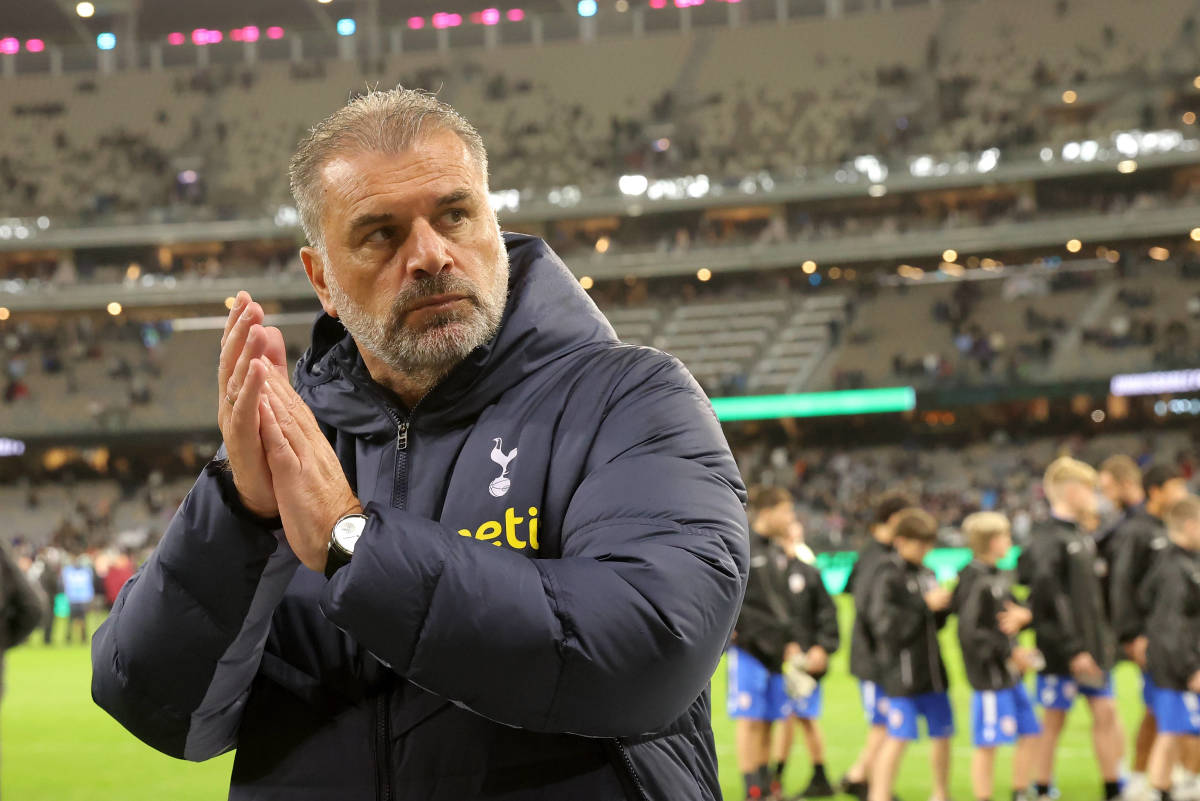
Ange Postecoglou, the newly appointed manager of Tottenham Hotspur, recently remarked that managing a Premier League football club is a more demanding job than being the Prime Minister. While seemingly hyperbolic, this statement offers a compelling entry point into a deeper discussion about the multifaceted pressures, responsibilities, and public scrutiny that come with both roles, albeit in vastly different arenas. Postecoglou’s assertion highlights the unique intensity of the football world, where success is relentlessly pursued and failure is swiftly and publicly condemned. The comparison, though unconventional, underscores the extraordinary weight of expectations placed on individuals in positions of leadership, regardless of the field.
The Prime Minister, as the head of government, bears the responsibility of steering the nation’s course, impacting the lives of millions. This involves navigating complex political landscapes, making critical decisions on domestic and foreign policy, and managing a diverse range of stakeholders with often conflicting interests. The Prime Minister’s actions are subject to intense scrutiny from the media, Parliament, and the public, with every decision analyzed and debated extensively. The role demands exceptional resilience, political acumen, and the ability to function under immense pressure, often with limited sleep and constant public exposure. While the stakes are undeniably high, the Prime Minister operates within a structured political system with established processes, checks and balances, and access to a vast network of advisors and resources.
In contrast, a football manager, particularly at a high-profile club like Tottenham Hotspur, operates within a different kind of pressure cooker. The manager’s primary objective is to deliver results on the pitch, translating tactical strategies into victories and trophies. This involves navigating a highly competitive and volatile environment, managing a team of highly paid athletes with diverse personalities and egos, and making real-time decisions under intense public scrutiny. Football managers are judged on a weekly, sometimes even a game-by-game basis, with performance often measured in stark terms of wins and losses. The relentless media cycle, coupled with the passionate and often unforgiving nature of football fans, creates an environment of constant pressure where job security is precarious. A string of bad results can quickly lead to dismissal, regardless of past achievements or long-term vision.
Postecoglou’s comparison, though provocative, underscores the common thread of intense pressure and public scrutiny that runs through both roles. While the Prime Minister grapples with national policy and international relations, the football manager’s domain is the intensely competitive world of professional sports. Both roles demand exceptional leadership qualities, strategic thinking, and the ability to make difficult decisions under pressure. The Prime Minister, however, operates within a structured political framework with established processes and support systems. The football manager, on the other hand, navigates a more volatile and unpredictable landscape, often with limited control over external factors like injuries, refereeing decisions, and the fickle nature of fan sentiment.
Furthermore, the emotional investment in football is often deeply personal and tribal, creating a unique dynamic between managers, players, and fans. The passion and intensity of football fandom can be a double-edged sword, providing incredible support when the team is successful but quickly turning into fierce criticism when results falter. This intense emotional connection between the team and its fans adds another layer of complexity to the manager’s role, requiring a high degree of emotional intelligence and communication skills to navigate the often turbulent waters of public opinion. The Prime Minister, while also subject to public scrutiny, deals with a more diverse and less emotionally invested audience. While public approval is crucial for both roles, the nature and intensity of that scrutiny differ significantly.
In conclusion, while the comparison between managing a football club and being Prime Minister might seem outlandish at first glance, it highlights the shared experience of intense pressure, public scrutiny, and the demand for constant performance in both roles. While the scope and nature of their responsibilities differ significantly, both positions require exceptional leadership, strategic thinking, and the ability to make critical decisions under immense pressure. Postecoglou’s statement, though perhaps hyperbolic, provides a thought-provoking lens through which to examine the unique challenges and pressures faced by individuals in positions of leadership, regardless of their field. It ultimately emphasizes the intense scrutiny and expectation that come with leading in the public eye, whether in the political arena or the world of professional sports.