









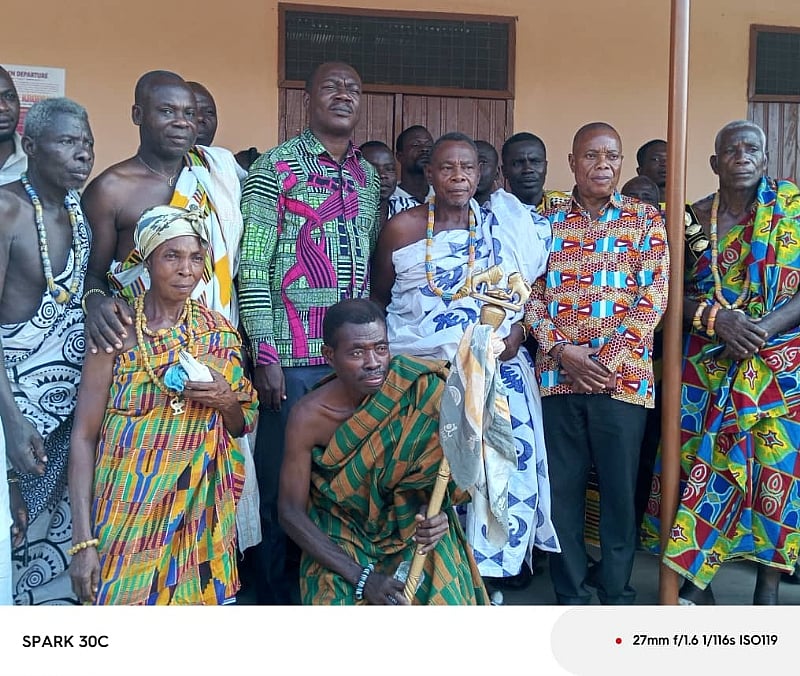
The inauguration of the Hordzo Traditional Council in the Ho Municipality of the Volta Region signifies a crucial stride towards decentralized chieftaincy administration and community-led development. Mr. Baafi Nsiah, Chief Registrar at the Ministry of Chieftaincy and Religious Affairs, underscored the importance of this achievement, emphasizing the council’s role in driving development, resolving conflicts, and fostering unity within the Hordzo community. He commended the community for overcoming challenges to attain this status, recognizing it as a platform for self-directed progress and a testament to the evolving role of traditional leaders in contemporary Ghana. The establishment of the council aligns with the Chieftaincy Act 2008 (Act 759), strengthening traditional governance structures and empowering local communities to take ownership of their development trajectory.
The core mandate of the newly inaugurated council revolves around fostering unity, resolving conflicts, and spearheading developmental initiatives within the Hordzo Traditional Area. Mr. Nsiah urged the council members to prioritize community development, focusing on issues such as poverty alleviation, environmental protection, and the preservation of cultural heritage. The establishment of judicial committees within the council is expected to facilitate effective conflict resolution, reducing the incidence of protracted chieftaincy disputes that often drain community resources. Furthermore, the council is tasked with collaborating with local authorities to ensure that development initiatives are aligned with broader regional goals, maximizing their impact at the grassroots level.
The Ministry of Chieftaincy and Religious Affairs has pledged comprehensive support to the Hordzo Traditional Council, ensuring its operational effectiveness and long-term success. This support includes providing essential staff, equipment, and assistance with the registration of chiefs and queens. By equipping the council with the necessary resources, the ministry aims to establish it as a model of effective traditional governance, showcasing the potential of decentralized administration in promoting peace and progress. This commitment reflects the government’s broader strategy of empowering traditional institutions to play a more active role in national development.
Mr. Nsiah stressed the importance of community ownership and participation in development efforts, urging the Hordzo community to collaborate closely with the council to achieve shared goals. He emphasized that the council’s success hinges on the collective efforts of all stakeholders, including traditional leaders, community members, and local authorities. By working together, they can leverage the council’s potential to drive sustainable development and improve the lives of the people within the Hordzo Traditional Area. This collaborative approach is essential for ensuring that development initiatives are responsive to local needs and priorities.
Togbe Agbolosu VII, right-hand chief of Hordzo and president of the Hordzo Traditional Area, expressed gratitude for the ministry’s support in establishing the council. He conveyed optimism about the council’s future, emphasizing its potential to unite the community and realize its developmental aspirations. His words reflect the shared hope that the council will serve as a catalyst for positive change, fostering a sense of collective purpose and driving progress within the Hordzo Traditional Area. This optimism underscores the significance of the council’s inauguration as a milestone in the community’s journey towards self-determination and development.
Mr. Harry Anthony Attipo, a key figure at the inauguration event, highlighted the importance of finalizing the list of gazetted chiefs, a crucial step before council members can be officially sworn in. He emphasized the autonomy granted by the council’s establishment, urging the community to invest in education rather than squandering resources on chieftaincy disputes. This call to prioritize education underscores the understanding that human capital development is a cornerstone of sustainable progress. By investing in their children’s education, the community can break the cycle of conflict and pave the way for a brighter future. The inauguration of the Hordzo Traditional Council marks not only a significant advancement in traditional governance but also a renewed commitment to community development and progress in the Volta Region.









