









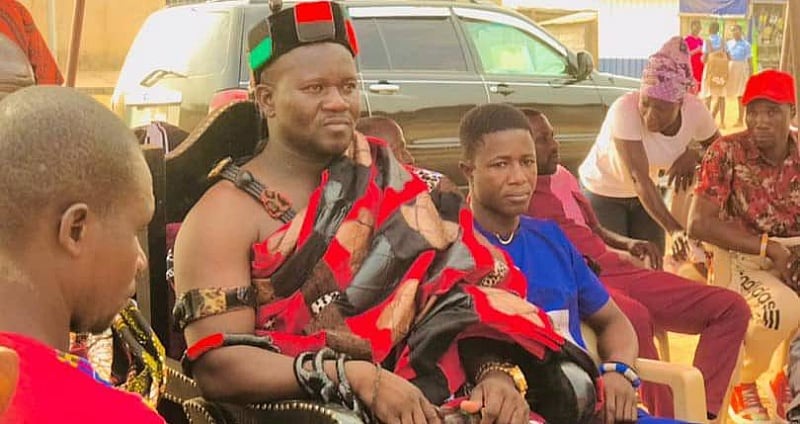
Nana Abdul-Malik Kwabena Tadiche, a revered traditional healer presiding over the Nyame Bekyere Herbal Centre in Dambai, Oti region, orchestrated a profound ceremony invoking ancestral blessings and favor upon the Ghanaian populace. This ritual, steeped in tradition and spiritual reverence, served as a poignant appeal for guidance, protection, and prosperity as the nation embarked upon a new chapter. Nana Tadiche’s fervent prayers focused on invoking ancestral wisdom for the country’s leaders, ensuring their decisions would benefit the entire nation and its people, fostering a collective sense of hope and optimism for the future. The gathered community, seeking individual and familial blessings, resonated deeply with the healer’s invocations, their murmurs of affirmation and nods of agreement a testament to the shared faith in ancestral power and guidance. The ceremony concluded with the distribution of sacred herbs and talismans, tangible symbols of the sought-after blessings and protection, leaving participants imbued with a renewed sense of purpose and readiness to face the year’s challenges.
This event underscores the enduring significance of traditional healing practices within Ghanaian society. Nana Tadiche’s role as a conduit to the spiritual realm, a bridge between the ancestral past and the present, reflects the deep-seated belief in the interconnectedness of the physical and spiritual worlds. His practice is not merely about addressing physical ailments but encompasses a holistic approach to well-being, encompassing spiritual, emotional, and physical health. This integrated perspective is particularly relevant in a context where access to modern healthcare might be limited or where traditional beliefs hold significant sway. The ceremony itself becomes a powerful symbol of community unity and shared faith, reinforcing social bonds and offering a source of collective strength and resilience.
The testimonies of those who sought healing at the Nyame Bekyere Herbal Centre offer compelling narratives of the efficacy of traditional medicine. Madam Tekpo Mansa, afflicted with a debilitating swollen leg, shared her journey of suffering and her eventual relief after receiving treatment from Nana Tadiche. Having exhausted conventional medical avenues with no positive results, she turned to traditional healing as a last resort. Her four-month stay at the center involved a combination of herbal remedies and spiritual interventions, highlighting the multifaceted approach employed by traditional healers. Her recovery stands as a testament to the potential of traditional practices and provides a powerful counterpoint to those who might dismiss them as mere superstition.
Similarly, Mr. Kwadjo Nikab, suffering from the excruciating pain of a dislocated leg, initially approached Nana Tadiche’s treatment with skepticism. His rapid recovery, however, transformed his doubt into belief, underscoring the persuasive power of tangible results. These individual stories of healing resonate within the larger community, reinforcing the reputation of the traditional healer and perpetuating the legacy of traditional medicine. They highlight the importance of culturally sensitive healthcare approaches and the potential for integrating traditional and modern medical practices to provide comprehensive care.
The significance of Nana Tadiche’s ceremony extends beyond the immediate community. It serves as a microcosm of the broader spiritual landscape of Ghana, where traditional beliefs and practices continue to hold significant influence. The invocation of ancestral blessings signifies the enduring respect for lineage and the belief in the continued presence and influence of those who came before. This reverence for ancestors underscores a deeply rooted sense of history and continuity, providing a framework for understanding the present and navigating the future. The ceremony also highlights the importance of community and collective responsibility, reflecting a worldview where individual well-being is inextricably linked to the well-being of the community as a whole.
In conclusion, the ceremony led by Nana Tadiche serves as a powerful reminder of the enduring importance of traditional healing practices in Ghana. It highlights the profound connection between spirituality, community, and health, showcasing how traditional healers play a vital role in addressing both physical and spiritual needs. The testimonies of those who have experienced healing at the Nyame Bekyere Herbal Centre further validate the efficacy of these practices, offering compelling evidence of their potential to alleviate suffering and improve quality of life. The ceremony also encapsulates the rich cultural heritage of Ghana, where respect for ancestors, the power of community, and the pursuit of holistic well-being remain central to the social fabric. It underscores the importance of acknowledging and respecting diverse approaches to healthcare, recognizing the potential for integrating traditional and modern practices to provide comprehensive and culturally sensitive care for all.









