









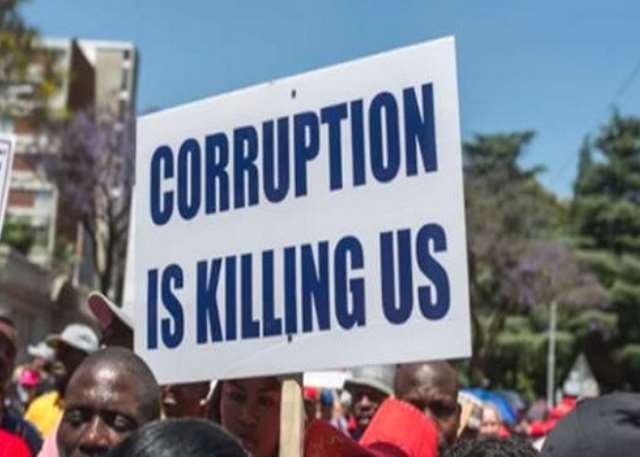
The Ghana Anti-Corruption Coalition (GACC) has issued a resounding call for transparency, accountability, and integrity in the ongoing fight against corruption within the nation. Executive Secretary Emefa Narteh, in an address on Akoma FM, emphasized the critical need to reject the normalization of corruption within Ghanaian society. She stressed that the acceptance of corruption as an unavoidable aspect of life undermines the very fabric of society and hinders progress. Narteh underscored the importance of empowering institutions tasked with combating corruption, allowing them to operate independently and effectively without undue influence. She asserted that the principles of transparency, accountability, and integrity form the bedrock of an effective anti-corruption strategy. Additionally, Narteh emphasized the importance of upholding the rule of law and ensuring that individuals found guilty of corruption face the full consequences of their actions. This, she argued, is crucial for deterring future corrupt practices and fostering a culture of accountability.
Corruption has plagued Ghana for an extended period, casting a long shadow over its development and eroding public trust. It remains a prominent concern for citizens who yearn for a society governed by ethical principles and equitable distribution of resources. The deep-seated nature of corruption requires a multi-pronged approach, encompassing preventative measures, robust investigative mechanisms, and effective prosecution of offenders. The issue of corruption has consistently featured prominently in public discourse, reflecting the public’s frustration and demand for tangible action from those in positions of power. The prevalence of corruption not only hinders economic growth and development but also undermines democratic institutions and erodes public faith in the government.
The incoming administration of the National Democratic Congress (NDC), led by President-elect John Dramani Mahama, has pledged to prioritize the fight against corruption as a cornerstone of its governance agenda. Recognizing the detrimental impact of corruption on national progress, the NDC has committed to implementing robust measures to address this pervasive issue. This commitment reflects a broader understanding of the interconnectedness between good governance, economic development, and social progress. The NDC’s anti-corruption strategy aims not only to punish offenders but also to create a systemic shift towards greater transparency and accountability in public affairs.
As a concrete step towards fulfilling its anti-corruption pledge, the NDC has established a dedicated team to spearhead “Operation Recover All Loot” (ORAL). This initiative is specifically designed to reclaim misappropriated public funds and assets allegedly acquired illegally during the preceding Akufo-Addo administration. The establishment of ORAL underscores the NDC’s determination to pursue accountability for past instances of corruption and to send a clear message that such practices will not be tolerated under its leadership. The success of ORAL will depend not only on the effectiveness of its investigative and legal processes but also on its ability to garner public support and foster a sense of collective responsibility in combating corruption.
The implications of successfully recovering stolen assets are significant. These recovered funds can be redirected towards crucial developmental projects, such as improving infrastructure, enhancing education and healthcare systems, and providing essential social services to the citizenry. Furthermore, holding corrupt officials accountable and recovering stolen assets can contribute to restoring public trust in government and strengthening democratic institutions. The success of ORAL could potentially serve as a deterrent to future corrupt practices by demonstrating that those who engage in such activities will face consequences.
Ultimately, the fight against corruption in Ghana requires a concerted effort from all stakeholders, including government institutions, civil society organizations, the media, and the public at large. Creating a culture of integrity and accountability necessitates a sustained commitment to transparency, robust legal frameworks, and effective enforcement mechanisms. The success of initiatives like ORAL will hinge on the ability of these stakeholders to collaborate effectively and to hold each other accountable in the pursuit of a corruption-free Ghana. By working together, Ghanaians can create a more just and equitable society where resources are utilized for the benefit of all citizens, rather than being diverted for personal gain.









