Paragraph 1: Unrest and Criminal Activity in Ghana
Recent events in Ghana have been marred by a wave of civil unrest, characterized by looting, vandalism, and attacks on state and private properties. These incidents have sparked concern and prompted a swift response from the Ghana Police Service. The unrest appears to be rooted in a complex interplay of socio-political factors, including grievances related to governance, economic conditions, and perceived injustices. The resulting violence and destruction have disrupted daily life and raised concerns about the overall security situation in the country.
Paragraph 2: Police Response and Investigation
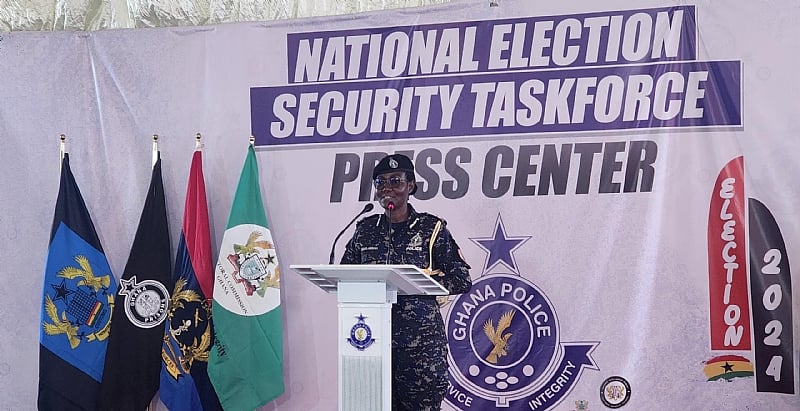
The Ghana Police Service has taken decisive action to address the escalating situation. A total of 12 suspects have been arrested in connection with the looting and vandalism. Preliminary investigations have linked these suspects to attacks on various targets, including government offices, political party facilities, and private residences. Notably, the Electoral Commission office in Damongo, Savannah Region, was among the buildings targeted. The police are actively pursuing further leads and analyzing evidence, including video footage of the incidents, to identify and apprehend all those involved. This includes investigating the ransacking of a school feeding project warehouse in Tamale.
Paragraph 3: Scope of the Violence and Destruction
The scale of the destruction caused by these acts of vandalism is significant. Government buildings, including the Electoral Commission office, have sustained damage. Political coalition centers, often symbolic of political activity and organization, have also been targeted, disrupting political processes and potentially exacerbating tensions. The attacks have extended to the private sphere, with residences of district chief executives being vandalized, raising concerns about the safety and security of public officials. The looting of the school feeding project warehouse has further compounded the situation, depriving vulnerable communities of essential resources.
Paragraph 4: Maintaining Law and Order and Public Reassurance
In response to the unrest, the Ghana Police Service has deployed officers to strategic locations and intensified patrols across affected areas. This heightened security presence aims to deter further acts of violence, protect vulnerable targets, and restore public confidence in the ability of law enforcement to maintain order. The police have also issued public statements urging citizens to remain calm and cooperate with authorities. These reassurances aim to quell anxieties, prevent the spread of misinformation, and foster a sense of stability amidst the ongoing turmoil.
Paragraph 5: Accountability and Justice
The Ghana Police Service has emphasized its commitment to holding the perpetrators of these criminal acts accountable. The ongoing investigation aims not only to identify and apprehend those directly involved in the violence but also to uncover any underlying networks or instigators who may have played a role in orchestrating the unrest. The police are utilizing various investigative tools, including forensic analysis of evidence and review of video footage, to build strong cases against the suspects. This commitment to justice aims to send a clear message that such acts of violence will not be tolerated.
Paragraph 6: Implications and Looking Ahead
The recent events in Ghana highlight the fragility of peace and stability and the importance of addressing underlying societal grievances. The looting, vandalism, and attacks on state and private properties represent not only criminal acts but also symptoms of deeper issues that need to be addressed. Moving forward, it will be crucial for the government, civil society organizations, and community leaders to work collaboratively to foster dialogue, promote reconciliation, and address the root causes of the unrest. This includes strengthening democratic institutions, promoting economic opportunities, and ensuring that all citizens feel heard and represented. Only through a concerted effort to address these underlying issues can Ghana hope to prevent future outbreaks of violence and build a more just and equitable society.