









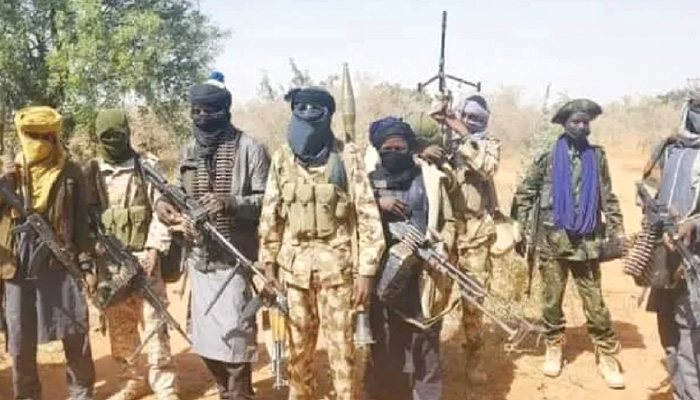
The serene landscape of Baure village in Safana Local Government Area, Katsina State, was shattered on January 7, 2025, by the chilling echo of gunfire as suspected armed bandits ambushed a joint team of the Katsina State Community Watch Corps (CWC) and vigilante members, leaving a trail of death and destruction. The official police account, delivered by DSP Abubakar Sadiq, Public Relations Officer of the Katsina State Police Command, painted a picture of the CWC and vigilante members returning from a condolence visit when they were tragically caught in the crossfire at approximately 4:30 pm. According to the police narrative, the swift response of officers from the Safana Divisional Headquarters restored order, but not before the attack claimed the lives of 21 individuals. The police assured the public that an investigation was underway to apprehend those responsible for the “dastardly act” and promised further updates as the case progressed.
However, a starkly different narrative emerged from a resident of Baure village, who challenged the official police account in a telephone interview. Dismissing the claim of a condolence visit, the resident asserted that the CWC and vigilante members were in Baure to confront the bandits who held sway over the area. He painted a grim picture of Baure as a territory under the control of bandits, where they freely operated and even frequented the local market. The resident maintained that the joint security team had embarked on a mission to challenge the bandits’ dominance, not to offer condolences. He argued that the sheer number of casualties pointed to a planned ambush, suggesting that the bandits had prior knowledge of the security team’s arrival and had bolstered their numbers in anticipation.
The resident’s account revealed a deeper, more complex narrative of a community grappling with the relentless grip of banditry. He alleged that the CWC and vigilante members, in an attempt to reclaim their village from the clutches of the bandits, had walked into a carefully orchestrated trap. The bandits, forewarned and prepared, unleashed a devastating attack, resulting in a massacre that far exceeded the officially reported 21 deaths. The resident’s claims, if substantiated, raise serious questions about the intelligence gathering capabilities of the security forces and the vulnerability of local communities to banditry. The attack on Baure village appears not as an isolated incident but as a symptom of a larger, ongoing struggle for control between security forces and criminal elements.
The tragic events in Baure village were further compounded by the escalating violence in the surrounding region. Just the day before, the nearby village of Wurma, located a mere seven kilometers from Baure but falling under the jurisdiction of Kurfi Local Government Area, suffered a similar fate. Four individuals, including two CWC members and two women, were killed in an attack that also involved the burning of houses and shops. The proximity of the two attacks, both targeting security personnel and civilians, suggests a coordinated campaign of violence and intimidation. The unfolding events in Katsina State paint a worrying picture of escalating insecurity and the urgent need for effective countermeasures.
The conflicting accounts of the Baure village incident underscore the challenges in obtaining accurate information in volatile regions. While the official police statement focused on the loss of life and the promise of an investigation, the resident’s testimony provided a more nuanced understanding of the dynamics at play. His account highlighted the pervasive influence of bandits in the region, the desperate attempts by local communities to resist their control, and the apparent failure of security forces to adequately protect vulnerable populations. The discrepancy between the two narratives highlights the need for transparent and thorough investigations to ascertain the true sequence of events and hold those responsible accountable.
The attacks in Baure and Wurma villages serve as a stark reminder of the escalating security challenges facing communities in Katsina State. The loss of life, the destruction of property, and the prevailing atmosphere of fear underscore the urgent need for a comprehensive and coordinated response to address the root causes of banditry and ensure the safety and security of all residents. The discrepancies between official reports and eyewitness accounts further emphasize the need for improved communication and transparency to build trust and foster collaboration between security forces and the communities they are sworn to protect. The escalating violence demands a renewed commitment from all stakeholders to work together to find lasting solutions to the pervasive problem of banditry in Katsina State.









