









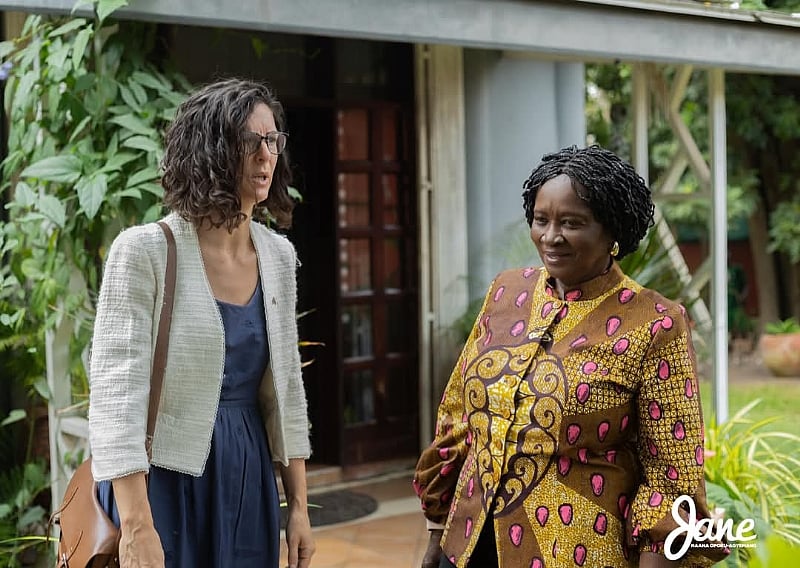
The meeting between Madam Harriet Thompson, the British High Commissioner to Ghana, and Vice President-elect Professor Jane Naana Opoku-Agyemang signifies a pivotal moment in Ghana’s political landscape. Professor Opoku-Agyemang’s historic achievement as the first female Vice President of Ghana marks a significant stride towards gender equality and representation in the highest echelons of power. This landmark event holds immense symbolic value, inspiring future generations of women to aspire to leadership roles and demonstrating the country’s progress towards a more inclusive political system. The High Commissioner’s congratulatory visit underscores the UK’s recognition of this historic milestone and its commitment to fostering strong bilateral relations with Ghana.
The courtesy call served as a platform for substantive discussions on various critical issues of mutual interest. The conversation revolved around the incoming National Democratic Congress (NDC) government’s priorities, with a particular focus on education, health, and gender equality. These areas represent crucial pillars of development and social progress, and the exchange of ideas between the High Commissioner and the Vice President-elect likely explored potential avenues for collaboration and support from the UK. Furthermore, the discussion on regional security highlights the shared concerns of both nations and the importance of collaborative efforts to address security challenges in the region. This emphasis on dialogue indicates a proactive approach towards maintaining stability and promoting peaceful resolutions to regional conflicts.
The shared experience of transitioning from opposition to government provided a unique backdrop for the discussion. Both Madam Thompson and Professor Opoku-Agyemang bring to the table valuable insights gained from their respective political journeys. Navigating the challenges and capitalizing on the opportunities presented by a change in administration require careful planning and strategic decision-making. This shared experience allowed for a deeper understanding of the complexities involved in such transitions and facilitated a more meaningful exchange of perspectives on effective governance and policy implementation.
The meeting reaffirmed the commitment of both Ghana and the UK to nurturing a mutually beneficial relationship. This commitment goes beyond mere diplomatic pleasantries and signifies a genuine desire to collaborate on areas of mutual interest. The alignment of priorities between the two nations creates a fertile ground for impactful partnerships that can contribute to Ghana’s development agenda. This collaborative spirit reflects a mature and forward-looking approach to international relations, recognizing the interconnectedness of global challenges and the importance of working together to achieve common goals.
The emphasis on aligning the needs and priorities of Ghana and the UK highlights the importance of a partnership rooted in mutual respect and understanding. This principle recognizes that effective cooperation requires a sensitivity to each other’s national interests and a willingness to find common ground. By focusing on areas where their priorities converge, Ghana and the UK can maximize the impact of their collaborative efforts and achieve tangible outcomes that benefit both nations. This approach fosters a sense of shared ownership and responsibility, ensuring that the partnership remains sustainable and mutually rewarding.
In conclusion, the meeting between Madam Harriet Thompson and Professor Jane Naana Opoku-Agyemang represents a significant step forward in the Ghana-UK relationship. It symbolizes the UK’s acknowledgment of Ghana’s democratic progress and its commitment to supporting the incoming government’s development agenda. The discussions on key priority areas, regional security, and the shared experiences of transitioning into government demonstrate the depth and breadth of the bilateral relationship. The emphasis on aligning needs and priorities underscores the commitment to building a mutually beneficial partnership that delivers tangible results for both nations. This meeting sets a positive tone for future collaborations and reinforces the importance of dialogue and cooperation in addressing shared challenges and advancing mutual interests.









