









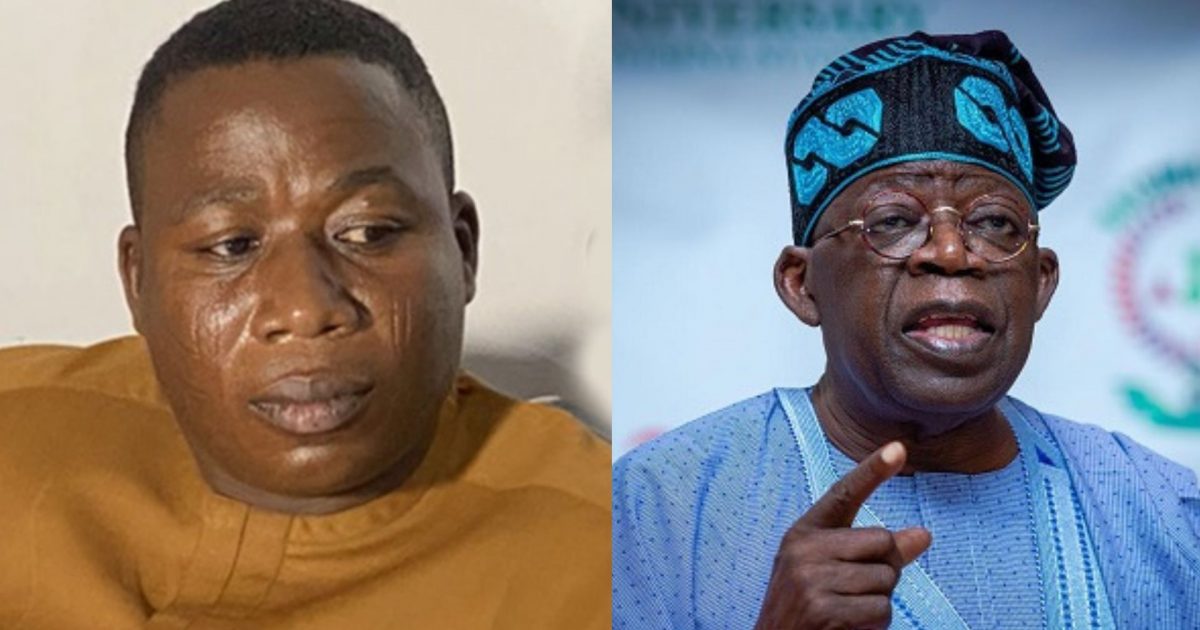
Recently, reports emerged claiming that the United Kingdom had endorsed a petition submitted by Yoruba Nation agitator Sunday Igboho, whose real name is Sunday Adeyemo. The petition, which advocated for the consideration of creating a Yoruba Nation, was delivered to 10 Downing Street, the official residence of the UK Prime Minister, last week. Such reports sparked significant media attention, prompting the Federal Government of Nigeria to respond. On Tuesday, the Ministry of Foreign Affairs issued a statement through its spokesperson, Amb Eche Abu-Obe, dismissing these claims as misleading and inaccurate. According to the Nigerian government, the UK government’s involvement in the matter was entirely misrepresented, leading to widespread confusion regarding their stance on the petition.
Ambassador Abu-Obe elaborated on the situation by explaining that following the media coverage of the petition, the British High Commissioner in Abuja was summoned for clarification. During this meeting, the High Commissioner expressed concern regarding the exaggerated nature of the reports. He implied that the international media had misinterpreted or overstated the significance of the incident. The High Commissioner confirmed that while he was aware of the petition’s submission, it fell within the customary practice of receiving letters and petitions at 10 Downing Street, and no UK government agency endorsed it.
Furthermore, Abu-Obe clarified that the UK government does not intervene in matters related to the sovereign interests of other nations, including Nigeria. This included detailing that the petition was neither backed by any branch of the UK government nor the UK Parliamentary Petitions Committee. The diplomat pointed out that the UK government had previously rejected similar petitions and does not engage with issues that pertain to the internal affairs of sovereign countries. He cited direct statements from the British High Commissioner to support these assertions, emphasizing the importance of respecting Nigeria’s sovereignty in the matter.
The news surrounding the petition garnered attention as Sunday Igboho shared information via a post from his spokesman, Olayomi Koiki, on X (formerly Twitter). According to Koiki’s post, the petition was delivered on behalf of Prof. Adebanji Akintoye, the leader of the Yoruba Nation movement. Koiki’s declaration specified the timing and the official nature of the submission, underscoring the intended serious implications of the action. He asserted that the petition had been delivered to UK Prime Minister Keir Starmer, insinuating a level of formal engagement in the agitations for Yoruba Nation recognition.
While attempts to secure official comments from Sunday Igboho failed, a source indicated that he would respond publicly soon. This lack of immediate communication from Igboho added an air of uncertainty to the situation, as the agitation for a separate Yoruba nation raises significant political and socio-cultural implications for Nigeria. The timing and dynamics of these petition efforts reflect a broader trend of ethnic agitation in Nigeria, where various groups have been voicing their desires for self-determination and autonomy.
The narrative surrounding this situation signifies more than just a petition; it encapsulates complex themes of national identity, governance, and international relations. The relationship between Nigeria and the UK remains crucial, and the Nigerian government’s quick dismissal of the reports illustrates its sensitivity to matters that could potentially undermine its territorial integrity or prompt international scrutiny over its internal affairs. This debacle serves as a reminder of the sensitive nature of ethnic politics in Nigeria, where claims for autonomy and self-rule continue to resonate amidst historical grievances and ongoing tensions in the country.









