









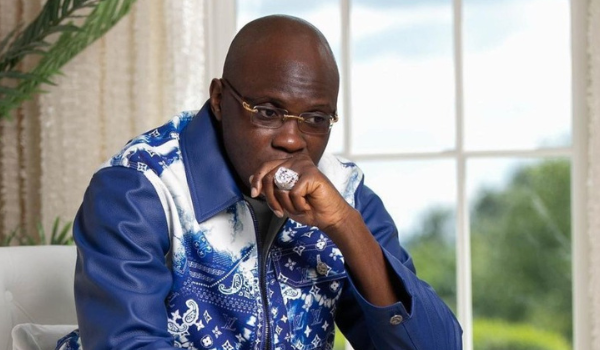
Pastor Tobi Adegboyega, the founder of SPAC Nation, a UK-based church, found himself facing deportation back to his native Nigeria after a series of legal battles with the UK Home Office. Adegboyega, who arrived in the UK on a visitor’s visa in 2005, overstayed his visa and subsequently sought to remain in the country on human rights grounds, citing his marriage to a British citizen and his extensive community work. His initial applications to remain were denied by the Home Office and the first-tier tribunal. He then appealed to the upper tribunal, hoping to overturn the previous decisions.
Adegboyega’s defense rested heavily on his claims of impactful community work, primarily focused on rescuing troubled youths from gangs and crime. He highlighted various initiatives, including intervention programs, the establishment of safe houses, and a food bank that purportedly provided over 136,000 meals to children. He further emphasized his influence within the black communities of London, suggesting his deportation would severely disrupt these efforts. To bolster his case, Adegboyega invoked the support of prominent figures, including former Prime Minister Boris Johnson and senior members of the Metropolitan Police. He painted a picture of himself as a vital community leader whose presence was essential for maintaining stability and combating crime.
However, the upper tribunal judges meticulously scrutinized Adegboyega’s claims, ultimately finding them to be “grossly inflated” and “hyperbolic.” Crucially, the tribunal pointed to the lack of corroborating evidence to support his assertions of endorsements from high-profile individuals and organizations. Despite Adegboyega’s claims of frequent visits to Downing Street and close collaboration with the Metropolitan Police, no evidence was presented to substantiate these interactions. The judges expressed skepticism regarding the sheer volume of work Adegboyega claimed to personally undertake, suggesting it was more likely distributed amongst his church staff and congregants. This lack of verifiable evidence significantly undermined his argument of indispensable community contributions.
Furthermore, the tribunal cast doubt on Adegboyega’s financial claims. He stated he was entirely financially dependent on his wife, who earned a substantial income, while he dedicated his time to unpaid church work. He attributed his extravagant lifestyle, including designer clothing and luxury cars, to his wife’s earnings, maintaining that he never used church funds for personal expenses. This claim was juxtaposed with previous allegations of financial misconduct and lavish living, which had been the subject of a BBC documentary. The documentary featured individuals who accused Adegboyega of misappropriating church funds, intended for community programs, to support his opulent lifestyle. While these accusations had not resulted in criminal charges or convictions, they added another layer of complexity to the tribunal’s assessment of Adegboyega’s credibility.
Despite his arguments, the upper tribunal ruled against Adegboyega, emphasizing his unlawful stay in the UK and the lack of substantial evidence to support his claims of exceptional community contributions. The judges concluded that his community work, even if accurately represented, could continue without his physical presence in the UK. They also dismissed his marriage to a British citizen as insufficient grounds to override his immigration violations. This judgment effectively paved the way for his deportation to Nigeria.
Following the ruling, Adegboyega took to social media, particularly Instagram, to address the situation. He dismissed the allegations against him and expressed defiance, portraying himself as a successful figure who had overcome numerous challenges in the UK. He downplayed the significance of the deportation order, asserting his continued presence and influence in London. In a subsequent video, he claimed that his companies had raised over £1 million in 24 hours following the news of the deportation ruling, framing it as a testament to his ongoing success. While maintaining a confident public facade, Adegboyega retained the option of appealing the upper tribunal’s decision to the Court of Appeal of England and Wales, potentially prolonging his legal battle to remain in the UK. This ongoing saga raises questions about the complexities of immigration law, the burden of proof in such cases, and the intersection of religious leadership, community engagement, and public perception.









