





Land Compensation Disputes and the Lagos-Calabar Coastal Highway Project
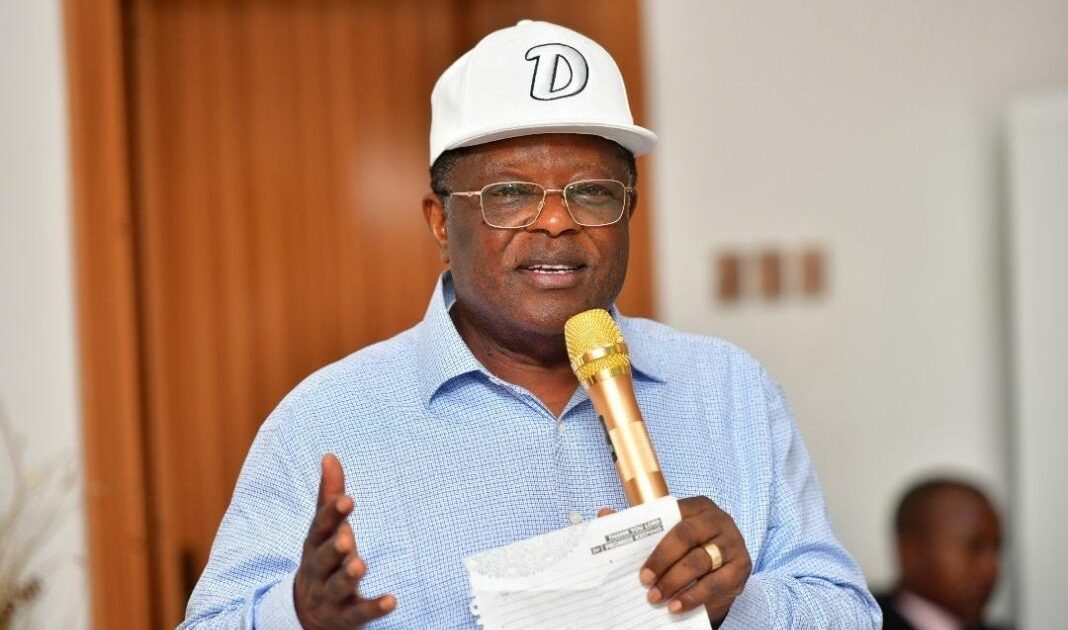
The construction of the Lagos-Calabar Coastal Highway has ignited a contentious debate regarding land compensation practices in Nigeria. Minister of Works, David Umahi, asserts that the federal government is not obligated to compensate landowners for "bare land," claiming that all land ultimately belongs to the government. This stance stems from the interpretation of existing laws and presidential directives that prioritize compensation for structures and improvements on land rather than the land itself. Umahi justifies this position by emphasizing that the government is only required to offer compensation as an act of "human meekness" when structures like shanties are present on the land designated for the highway project. He maintains that in cases where no infrastructure exists on the acquired land, landowners must appeal directly to the president for further direction regarding compensation.
This interpretation of compensation laws has been met with strong opposition from legal experts and professional bodies. Critics argue that this policy not only disregards the inherent value of land as an asset but also contradicts constitutional provisions protecting private property rights. The Nigerian Institute of Quantity Surveyors (NIQS) contends that land, regardless of its current state of development, holds economic value and should be treated as an asset. They emphasize that individuals and private entities acquire land through various means, including inheritance, purchase, and investment, and that denying compensation for the land itself undermines these established property rights. The NIQS highlights the 99-year lease system as an example of the government’s own recognition of land as a valuable and compensable asset, arguing that if the government expects compensation for lease renewals, private landowners deserve similar consideration when their land is expropriated for public use. The institute advocates for a comprehensive review of the Land Use Act and relevant constitutional provisions to ensure fair and equitable compensation for landowners.
Legal experts further challenge the government’s stance, asserting that it is unconstitutional. Joseph Siyaidon, a legal practitioner specializing in arbitration, maritime, and real estate, argues that the Land Use Act, while currently in effect, does not supersede the Nigerian Constitution. He points to Sections 43 and 44 of the Constitution, which guarantee the right to compensation for all immovable properties, explicitly including bare land. Siyaidon maintains that the government’s interpretation of the Land Use Act, limiting compensation to unexhausted improvements, violates these fundamental constitutional rights. This legal challenge underscores the significant disagreement surrounding the interpretation and application of land acquisition laws in Nigeria.
The ongoing controversy surrounding land compensation raises broader questions about the balance between public interest and private property rights. While the government argues that the coastal highway project serves a crucial public purpose, critics argue that achieving this goal should not come at the expense of landowners’ constitutional rights. The debate also highlights the complexities of land ownership and valuation in Nigeria, particularly given the historical and cultural significance attached to land in many communities. The lack of clear and consistent legal frameworks further exacerbates the issue, creating uncertainty and potential for disputes.
Meanwhile, the Ministry of Works remains focused on the project’s timeline. Minister Umahi has announced a target completion date of May 29, 2025, for the first phase of the coastal highway. He has instructed all comptrollers of works to identify at least three projects for presidential commissioning by the end of April 2025, indicating a push to showcase infrastructure development progress. The commissioning plan includes a 20-kilometer stretch of the highway, with an additional 10 kilometers slated for completion as part of phase 2, though not included in the initial commissioning ceremony. This phased approach to commissioning suggests a strategic effort to demonstrate tangible progress while acknowledging the ongoing nature of the project.
The Ministry of Works also emphasizes the technical aspects of the highway construction. Acting Director of Road Design, Musa Saidi, has assured the public that the project adheres to approved specifications and incorporates additional measures to ensure the highway’s durability. He justifies any realignment of the highway route as necessary for public interest, safety, and economic considerations. This emphasis on technical specifications and quality assurance aims to address potential concerns regarding the project’s long-term viability and impact. However, the core issue of land compensation remains unresolved, casting a shadow over the project’s progress and underscoring the need for a comprehensive and equitable solution that respects both public needs and private property rights.








