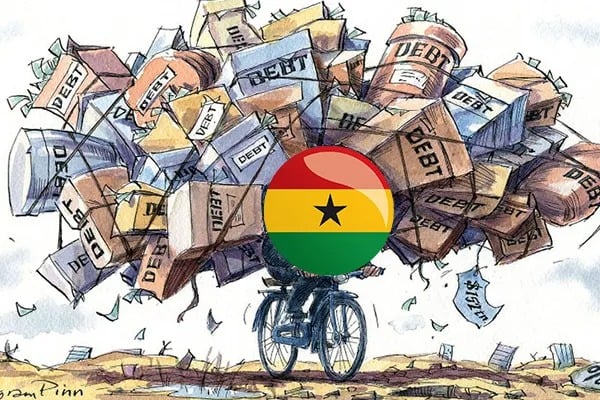
Ghana’s current socio-economic struggles are deeply intertwined with its massive debt burden, a situation highlighted in the 2024 United Nations’ Unpacking Africa’s Debt Report. The report reveals a disturbing trend where a substantial portion of the nation’s revenue is consumed by debt servicing, leaving limited resources for crucial developmental needs. Between 2017 and 2022, an average of 42% of Ghana’s total government revenue was dedicated solely to repaying interest on loans, a stark 15-percentage-point increase compared to the period between 2010 and 2016. This alarming figure underscores the severity of the debt trap that constrains Ghana’s economic progress and hinders its ability to invest in its people’s well-being.
The report attributes this escalating debt service burden to increased borrowing costs, particularly from international capital markets. Ghana’s increasing reliance on private and commercial debt has exposed the country to the volatility of global financial conditions, resulting in surging interest payments. As interest rates in these markets rise, Ghana’s debt service obligations swell, diverting even more resources away from essential public services and development initiatives. This vicious cycle is further exacerbated by the depreciation of the Ghanaian Cedi, which increases the cost of servicing foreign-denominated debt, further straining the nation’s finances.
The consequences of this debt trap are profound and multifaceted, impacting various aspects of Ghanaian society. The significant portion of government revenue allocated to debt servicing creates a severe fiscal constraint, leaving limited funds for crucial sectors such as education, healthcare, and infrastructure development. This underinvestment in vital public services perpetuates a cycle of poverty and underdevelopment, hindering Ghana’s progress towards achieving its socio-economic goals. The lack of adequate resources for education compromises the quality of human capital, while insufficient healthcare funding leaves the population vulnerable to disease and reduces overall life expectancy. Furthermore, the limited investment in infrastructure stifles economic growth and hinders the creation of much-needed jobs.
The ripple effects of this fiscal squeeze extend far beyond these immediate impacts. The underfunding of essential services undermines human development, limits opportunities, and perpetuates inequalities within Ghanaian society. The inability to invest in infrastructure projects further constrains economic growth, hindering the creation of jobs and opportunities for the population. This creates a vicious cycle where limited resources further exacerbate existing challenges, hindering Ghana’s ability to break free from the debt trap and achieve sustainable development.
To address this critical situation and break free from the vicious cycle of debt, experts recommend a multi-pronged approach that focuses on both short-term and long-term solutions. In the short term, renegotiating debt terms with creditors could provide some immediate relief, potentially lowering interest rates or extending repayment periods. However, long-term sustainable solutions require a fundamental shift in Ghana’s fiscal policies and economic strategies. This includes diversifying revenue streams to reduce reliance on external borrowing, strengthening domestic resource mobilization through improved tax collection and curbing corruption, and attracting sustainable investments that can contribute to long-term economic growth.
Structural reforms are also crucial for enhancing the effectiveness of government spending and improving the overall economic environment. These reforms could include improving public financial management, strengthening institutions, and promoting transparency and accountability in government operations. Attracting foreign direct investment can also play a significant role in boosting economic growth and creating jobs. However, it is essential that such investments are aligned with Ghana’s development priorities and contribute to sustainable and inclusive growth. By implementing these comprehensive reforms, Ghana can address the underlying causes of its debt burden and create a more sustainable and prosperous future for its citizens.