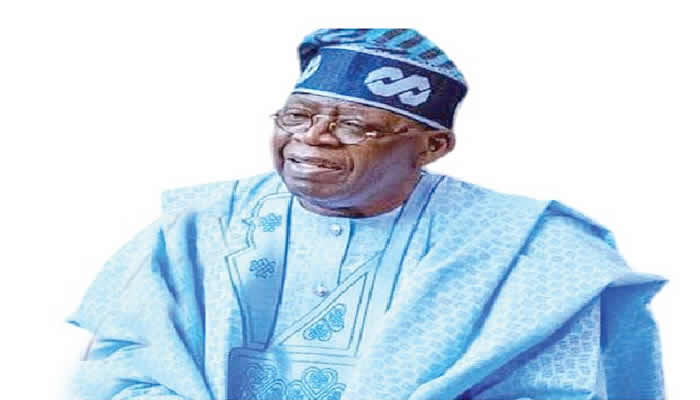
Nigeria’s telecommunications sector, a cornerstone of the nation’s economy and a vital link for millions of citizens, is teetering on the brink of collapse. The Private Telecommunications and Communications Senior Staff Association of Nigeria (PTECSSAN) has issued a dire warning to President Bola Tinubu, painting a stark picture of a sector grappling with crippling operational costs and the ripple effects of a struggling national economy. The union’s plea for immediate government intervention underscores the urgency of the situation, emphasizing the potential for widespread disruption to essential services and a cascading impact on other sectors if the crisis remains unaddressed.
The escalating cost of essential resources, particularly petroleum products vital for powering telecom infrastructure and facilitating operations, is a primary driver of the sector’s financial woes. Automated gas oil (AGO), the lifeblood of telecom base stations, has seen a dramatic price surge, while the cost of petrol, essential for the mobility of field engineers, has also skyrocketed. Coupled with significant hikes in electricity tariffs, these escalating expenses are placing an unbearable burden on telecom companies, squeezing their margins and threatening their ability to maintain operations. The union’s letter emphasizes the growing difficulty for companies to break even, let alone invest in crucial infrastructure upgrades and expansion.
This financial strain is not only impacting the companies themselves but also trickling down to their workforce. PTECSSAN highlights the plight of its members, who are struggling to cope with the rising cost of living without any corresponding salary adjustments. The fear of potential job losses looms large as companies grapple with dwindling revenues and the prospect of further cost increases. This precarious situation underscores the human cost of the crisis, emphasizing the potential for widespread economic hardship if the telecom sector falters.
The severity of the situation is further underscored by the dramatic decline in foreign investment. The latest figures from the National Bureau of Statistics reveal a staggering drop in foreign investment in the telecom sector, plummeting by 87% in just one quarter. This alarming trend signals a loss of confidence in the sector’s stability and future prospects, further exacerbating the financial challenges faced by telecom operators. The lack of investment hinders the sector’s ability to modernize, expand its reach, and improve service quality, contributing to a vicious cycle of decline.
PTECSSAN argues that a critical intervention is needed to prevent a complete collapse of the sector. The union’s primary request is for the government to allow telecom operators to adjust their tariffs to reflect the increased operational costs. This plea mirrors similar interventions made in other vital sectors like oil and gas and power, where price adjustments have been implemented to ensure operational sustainability. The union emphasizes that allowing telecoms to charge cost-reflective tariffs will enable them to continue providing essential services, meet their financial obligations to employees and creditors, and fulfill their tax obligations to the government. This, they argue, is a necessary step to prevent a systemic failure with far-reaching consequences.
The current tariff structure, which has remained unchanged for over a decade, is no longer sustainable in the face of escalating operational costs. Telecom providers have long advocated for a review of the pricing framework, warning that the current system is jeopardizing their financial viability. They argue that without the ability to adjust tariffs to reflect the real cost of providing services, the sector faces an imminent collapse, with potentially devastating repercussions for the wider economy. The parallel drawn with a patient on life support, as articulated by the CEO of MTN Nigeria, underscores the critical condition of the sector and the urgent need for intervention. PTECSSAN echoes this sentiment, emphasizing the broader implications for Nigeria’s economic recovery and the well-being of its citizens. The union remains hopeful that President Tinubu will heed their call, recognizing the pivotal role of the telecom sector in Nigeria’s present and future. A swift and decisive response, they believe, can avert disaster, safeguard jobs, and ensure the continued provision of essential communication services that underpin the nation’s economy and connect its people.