





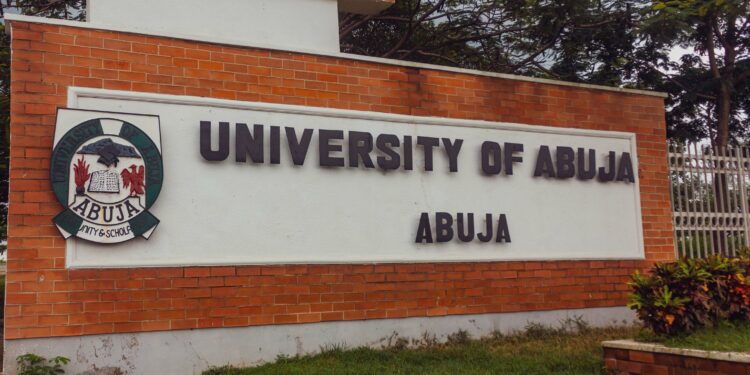
The University of Abuja is currently embroiled in controversy surrounding the selection process for its new Vice-Chancellor, following the departure of the former VC, Professor Abdulrasheed Na’Allah, in July. Allegations of bias and irregularities have emerged, with some senior professors protesting what they perceive as a flawed process skewed in favor of the Acting Vice-Chancellor, Professor Aisha Maikudi. The university, however, vehemently denies these claims, asserting that the selection process is being conducted transparently and in accordance with established regulations. The controversy has ignited tensions within the institution and raised concerns about due process and fairness in leadership selection.
At the heart of the dispute is Professor Maikudi’s appointment as Acting Vice-Chancellor. While the university maintains that she is fully qualified and has performed admirably in the acting role, some stakeholders have questioned her eligibility, arguing that she lacks the requisite years of experience as a professor. This contention has fueled suspicions of favoritism and prompted protests from a faction of the academic staff. The university administration has responded by emphasizing Maikudi’s accomplishments during her tenure as Acting Vice-Chancellor and dismissing the allegations against her as baseless attempts to disrupt the selection process.
The university administration insists that the selection process is being conducted with utmost transparency and adherence to the Universities (Miscellaneous Provisions) Act and other relevant statutes. They maintain that the University Council, responsible for overseeing the selection, is committed to identifying the most qualified and visionary candidate to lead the institution. The university has dismissed the allegations of bias as an attempt to undermine the council’s authority and unduly influence the outcome. They reiterate their confidence in the council’s ability to conduct a fair and merit-based selection.
Further complicating the situation are reports of a postponed Senate meeting, initially intended to address the conduct of two Senate members who abruptly left a meeting of the Joint Council/Senate Selection Board. This walkout, seemingly in protest of the selection criteria, added another layer to the ongoing controversy. The university explained that the Senate meeting was postponed to allow for a more amicable resolution of the issue. This decision reflects the administration’s efforts to manage the internal dissent and maintain some semblance of order amidst the growing tensions.
Adding to the complexity of the situation is an incident involving a Channels Television journalist, who reportedly faced some difficulties while covering the events on campus. The university acknowledges that the journalist’s vehicle tire was briefly immobilized due to a misunderstanding regarding his identity and purpose on campus. They vehemently deny, however, that the journalist was detained, assaulted, or harmed in any way. The university maintains that no journalist who properly identified themselves was denied access to the premises, emphasizing their commitment to maintaining a positive relationship with the media.
In conclusion, the University of Abuja faces a significant challenge in managing the ongoing controversy surrounding the Vice-Chancellor selection process. While the university administration insists on the transparency and fairness of the process, allegations of bias and irregularities persist, fueled by concerns about the Acting Vice-Chancellor’s qualifications and the handling of dissenting voices within the institution. The incident involving the journalist further complicates the situation, raising questions about press freedom and the university’s handling of media scrutiny. The university’s ability to navigate this turbulent period and ensure a credible and widely accepted outcome for the Vice-Chancellor selection will be crucial for its future stability and reputation. The ongoing controversy underscores the importance of transparent and inclusive processes in leadership selection within academic institutions and the need for effective communication to address concerns and maintain trust among stakeholders.








