









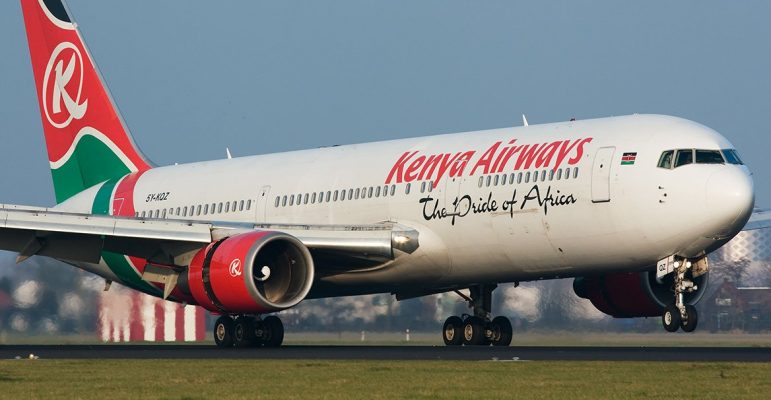
This case revolves around a Nigerian professor’s distressing experience with Kenya Airways, culminating in accusations of negligence, unfair treatment, and a demand for substantial compensation. The professor, maintaining anonymity through his legal representation, Nojim Tairu & Co., alleges a series of events that left him stranded overnight at Jomo Kenyatta International Airport in Nairobi. The core issue stems from a missed connecting flight from Nairobi to Lagos, scheduled for September 20, 2024. The professor, a seasoned traveler with two decades of experience, asserts that the airline failed to display essential departure gate information for his flight, KQ534, while other flights’ details were readily available on the airport monitors. This lack of communication, he claims, directly resulted in him missing his flight despite his presence at the airport.
The professor’s complaint goes beyond simply missing a flight. He contends that Kenya Airways deliberately withheld the gate information, suspecting the flight was overbooked and aiming to avoid liability for stranding passengers. This allegation paints a picture of intentional negligence on the part of the airline, prioritizing cost-saving over passenger welfare. The professor’s narrative highlights the subsequent financial burden imposed on him, being forced to purchase a new one-way ticket at a cost of $671 to return to Lagos the following day. This contrasts starkly with his experience in other missed flight situations where fines, rather than entirely new tickets, were the standard practice. His legal representatives emphasize the professor’s health condition, requiring strict medication, which further exacerbated the stress and trauma of the situation, leading to additional expenses for necessary supplies at the airport. The lack of accommodation or refreshments offered by the airline throughout this ordeal further amplified his discomfort and added to the perceived negligence.
The legal demand for compensation reflects the multifaceted impact of the alleged negligence. The professor is seeking $3,979.107, encompassing the cost of the missed flight, the subsequent expenses incurred due to the stranding, and the added financial burden of legal representation, amounting to N500,000. The demand letter sets a 14-day deadline for Kenya Airways to meet these demands, failing which the professor intends to pursue legal action. This ultimatum underscores the seriousness of the allegations and the professor’s commitment to holding the airline accountable for its perceived misconduct. The case takes on a broader significance in the context of other reported issues with Kenya Airways, particularly concerning Nigerian passengers.
The professor’s experience resonates with a larger pattern of complaints against the airline, raising questions about systemic issues within its operations. A separate incident involving a Nigerian passenger, Omisore G., further fuels these concerns. Her account, widely circulated on social media platforms, details alleged mistreatment by Kenya Airways, echoing the professor’s claims of substandard service and disregard for passenger rights. The incident prompted the Nigerian Civil Aviation Authority (NCAA) to summon Kenya Airways’ acting station manager in Lagos. The NCAA’s intervention signals the seriousness of the recurring complaints and the authority’s commitment to ensuring adherence to aviation regulations and passenger protection. The focus on alleged unprofessional conduct and violations emphasizes the potential regulatory implications for Kenya Airways if the accusations are substantiated.
The NCAA’s statement, delivered by its Director of Public Affairs and Consumer Protection, Michael Achimugu, underscores a “long history of mistreatment of Nigerian passengers” by Kenya Airways. This statement suggests that the professor’s and Omisore G.’s experiences are not isolated incidents but rather indicative of a broader pattern of problematic behavior by the airline. The NCAA’s insistence on accountability further pressures Kenya Airways to address these issues and rectify its practices. Despite the mounting evidence and official scrutiny, Kenya Airways appears to be downplaying the incidents. A staff member at the airline’s Lagos office, identified only as Elizabeth, claimed ignorance of the professor’s case. Similarly, the Director of Public Affairs of the Federal Airport Authority of Nigeria (FAAN), Obiageli Orah, stated that no such complaint had been received. These denials, in the face of public outcry and official investigations, raise questions about the transparency and responsiveness of both Kenya Airways and FAAN.
The contrasting narratives presented by the affected passengers, the NCAA, and the airline itself create a complex picture. The professor’s detailed account, supported by legal representation, stands in stark contrast to the airline’s denial of any knowledge of the incident. The NCAA’s intervention, citing a history of similar complaints, adds weight to the passengers’ claims and suggests a systemic issue within Kenya Airways. The case highlights the challenges passengers face when seeking redress for perceived mistreatment by airlines and underscores the importance of regulatory bodies like the NCAA in ensuring accountability and protecting passenger rights. The outcome of the legal demand and the NCAA’s investigation will be crucial in determining the veracity of the allegations and the consequences for Kenya Airways. Furthermore, it will set a precedent for future cases involving similar complaints against airlines, potentially shaping how passenger rights are protected and enforced within the aviation industry.









