The Unregulated Landscape of Nigerian Real Estate and the Call for Reform
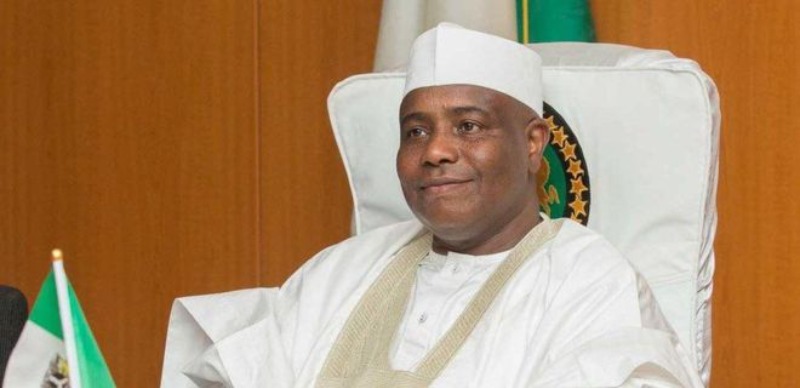
The Nigerian real estate sector, while brimming with potential, is currently grappling with a significant challenge: the unchecked influx of unqualified individuals driven primarily by their financial capacity. This unregulated entry has fostered an environment ripe for unprofessional practices, fraudulent activities, and a general erosion of trust in the industry. Senator Aminu Tambuwal, chairman of the Senate committee on housing, has voiced concerns about this trend, highlighting the negative impact on the integrity and professionalism of the sector. He emphasized the need for stringent regulations and enforcement to protect consumers and maintain the credibility of qualified practitioners. The current situation allows individuals with no formal training, experience, or demonstrable skills to operate as developers, realtors, and estate agents, solely on the basis of their financial resources. This misconception that wealth equates to expertise has enabled a system where unqualified practitioners can exploit unsuspecting clients, leading to numerous cases of fraud and financial losses.
The absence of adequate regulation has created a breeding ground for unscrupulous operators who often vanish without a trace after defrauding their victims. This unregulated environment not only harms consumers but also undermines the efforts of legitimate professionals who adhere to ethical practices and possess the necessary qualifications. The free entry of unqualified individuals into the real estate sector poses a significant threat to the sustainable growth and development of the industry. It erodes consumer confidence, discourages investment, and perpetuates a cycle of malpractice. Senator Tambuwal has stressed the urgency of addressing this issue through legislative action and collaboration with stakeholders to establish a regulatory framework that protects consumers and promotes professionalism. He has emphasized the Senate’s willingness to engage with relevant parties to develop legislation that will enhance the credibility and integrity of the Nigerian real estate sector.
The Lagos State government, recognizing the gravity of this issue, has taken steps to mitigate the risks associated with unregulated real estate practice. Barrakat Odunga-Bakare, special adviser to Governor Babajide Sanwo-Olu on housing, outlined the state’s efforts to register only qualified real estate professionals affiliated with recognized organizations. This initiative aims to curb the activities of unregistered agents and "briefcase operators" who often prey on unsuspecting clients. LASRERA, the Lagos State Real Estate Regulatory Authority, is at the forefront of these efforts, implementing measures to ensure that only qualified professionals operate within the state’s real estate market. This includes public awareness campaigns to educate citizens about their rights and responsibilities in real estate transactions, empowering them to make informed decisions and avoid fraudulent schemes. Restoring investor confidence, especially among those in the diaspora, is a critical priority for LASRERA, as the presence of dubious practitioners has significantly impacted trust in the sector.
The challenges facing Lagos State in the realm of real estate development are multifaceted and require a comprehensive approach. Rapid population growth and urbanization have strained existing infrastructure, contributing to environmental degradation and a growing housing deficit. Furthermore, non-compliance with established real estate practices exacerbates these challenges, creating a complex web of interconnected issues. The theme of the 5th Lagos Real Estate Market Place Conference and Exhibitions, "Reimagining Lagos Landscape: Ensuring Sustainable Real Estate Development Practices," underscores the urgency of addressing these challenges. The conference aims to foster dialogue and collaboration among stakeholders to develop sustainable solutions that promote inclusive, environmentally friendly, and economically viable urban spaces. The focus on sustainable development practices emphasizes the need for long-term planning and responsible resource management to ensure the continued growth and prosperity of the Lagos real estate sector.
Reimagining the Lagos landscape necessitates a paradigm shift in how urban spaces are designed, developed, and maintained. This involves integrating environmental considerations into planning processes, promoting sustainable building practices, and addressing the housing deficit through innovative solutions. The conference serves as a platform for stakeholders to share best practices, explore new technologies, and develop strategies to address the complex challenges facing the Lagos real estate market. The emphasis on ensuring sustainable development practices highlights the importance of balancing economic growth with environmental protection and social equity. Creating a sustainable future for Lagos requires a concerted effort from all stakeholders, including government agencies, private developers, community organizations, and residents.
Addressing the issue of unqualified practitioners in the Nigerian real estate sector is paramount to fostering a healthy and sustainable industry. Stricter regulations, enforcement mechanisms, and public awareness campaigns are essential tools in this endeavor. Collaboration between government agencies, professional bodies, and stakeholders is crucial to developing and implementing effective solutions. The Lagos State government’s efforts to register and regulate real estate professionals represent a significant step towards creating a more transparent and accountable market. The ongoing focus on sustainable development practices further underscores the commitment to building a resilient and prosperous future for the Lagos real estate sector. Ultimately, the goal is to create an environment where qualified professionals can thrive, consumers are protected, and the industry contributes positively to the economic and social development of Nigeria.