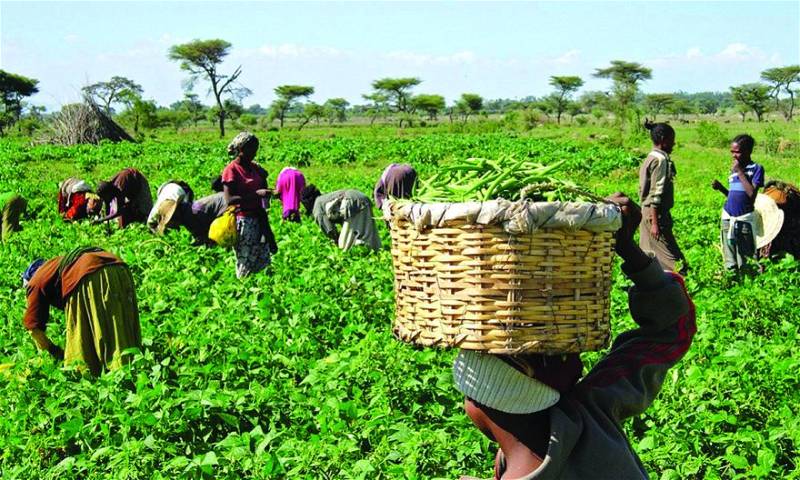
The United States Agency for International Development (USAID) has issued a robust rebuttal against recent media reports that misconstrued the nature and impact of its agricultural programs in Nigeria. The agency emphatically stated that its initiatives are implemented with full transparency, in strict adherence to Nigerian law, and in close collaboration with Nigerian stakeholders, including farmers, experts, and government officials. USAID underscored its commitment to supporting Nigeria’s agricultural sovereignty and traditions, emphasizing that its programs are designed to complement and enhance local practices, not to supplant them. The agency highlighted its long-standing partnership with Nigeria, aimed at bolstering food security and strengthening rural economies, benefiting over five million Nigerian farmers since 2019. These programs focus on providing practical support, including market access expansion, agricultural training, and collaborative research initiatives.
Central to USAID’s response is a clarification regarding its role in supporting the strengthening of regulatory processes for agricultural biotechnology in Nigeria. The agency emphasized that its involvement is limited to assisting local agencies in developing robust and effective regulatory frameworks, not dictating or imposing specific biotechnological practices. This support is crucial for ensuring the safe and responsible application of biotechnology in agriculture, ultimately contributing to improved crop yields and enhanced food security. USAID reiterated its commitment to open access to all research findings and program details through official channels, reinforcing its dedication to transparency and accountability in all its operations. The agency’s statement serves to address concerns and misinterpretations, highlighting the collaborative and respectful nature of its engagement with the Nigerian agricultural sector.
USAID’s agricultural programs in Nigeria encompass a wide range of initiatives designed to address the multifaceted challenges facing the nation’s agricultural sector. These programs focus on enhancing agricultural productivity, improving market access for farmers, promoting sustainable agricultural practices, and strengthening the resilience of rural communities to climate change. Through targeted interventions, USAID supports smallholder farmers in adopting improved farming techniques, accessing quality inputs like seeds and fertilizers, and connecting with markets to sell their produce at competitive prices. The agency also works to strengthen agricultural value chains, promoting value addition and creating employment opportunities along the entire agricultural spectrum.
Furthermore, USAID invests in capacity building initiatives, training farmers and extension workers in modern agricultural practices, including crop management, pest control, and post-harvest handling techniques. These training programs empower farmers with the knowledge and skills necessary to improve their yields, reduce post-harvest losses, and increase their incomes. The agency also promotes the adoption of climate-smart agriculture practices, helping farmers adapt to the impacts of climate change and build resilience to extreme weather events. By supporting the development of drought-resistant crops and promoting water conservation techniques, USAID contributes to long-term food security and sustainable agricultural development in Nigeria.
The agency’s commitment to transparency and collaboration is reflected in its continuous engagement with Nigerian stakeholders. USAID maintains regular dialogue with farmers, experts, government agencies, and civil society organizations to ensure that its programs are aligned with local needs and priorities. This participatory approach fosters ownership and ensures the sustainability of USAID’s interventions. By working closely with Nigerian partners, the agency leverages local expertise and strengthens local institutions, ultimately contributing to the long-term development of the Nigerian agricultural sector. This collaborative approach ensures that programs are tailored to the specific context of Nigeria, respecting local traditions and leveraging existing knowledge and resources.
In conclusion, USAID’s statement serves to clarify its role and reaffirm its commitment to supporting Nigeria’s agricultural development. The agency emphasized the transparent and collaborative nature of its programs, highlighting its adherence to Nigerian law and its respect for local agricultural traditions. By focusing on practical support for farmers, market access, agricultural training, and research collaboration, USAID aims to enhance food security, strengthen rural economies, and promote sustainable agricultural practices in Nigeria. The agency’s commitment to open access to information and continuous engagement with stakeholders reinforces its dedication to transparency and accountability in its operations. Ultimately, USAID’s partnership with Nigeria reflects a shared commitment to addressing food security challenges through locally-driven solutions, empowering Nigerian farmers and building a more resilient and prosperous agricultural sector.