





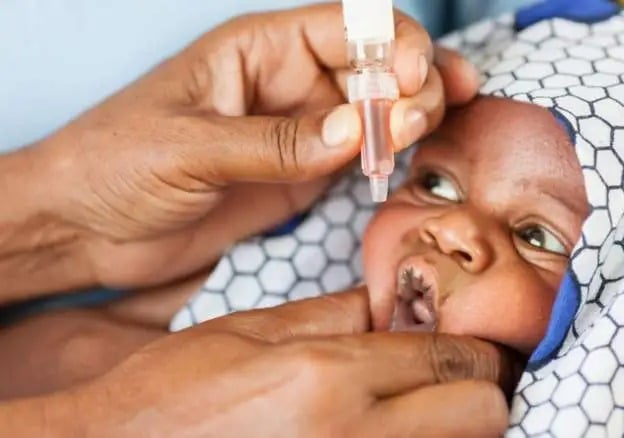
Dr. Patrick Kuma-Aboagye, the Director General of the Ghana Health Service, recently announced an urgent vaccination initiative due to the resurgence of variant type 2 poliovirus. This virus has prompted the organization of two rounds of vaccination for children under five years, employing the Novel Oral Polio Vaccine Type 2 (noPV2). This vaccine had previously been effective in controlling an outbreak of the same variant in 2022. Polio is a serious viral illness that primarily impacts the nervous system, and its most severe manifestations can result in paralysis and loss of movement in limbs. The distribution of the noPV2 vaccine is seen as crucial in efforts to eliminate such health threats and protect vulnerable populations from the ongoing risk of polio.
During a recent event in Koforidua marking the launch of this vaccination campaign, Dr. Kuma-Aboagye provided critical information regarding the emergence of a confirmed circulating variant type 2 poliovirus first identified on September 6, 2024, from an environmental surveillance site in Koforidua. He highlighted that this variant is genetically linked to strains circulating in Algeria, underscoring the global nature of the polio threat; as he stated, “one polio anywhere is indeed polio everywhere.” The Director General emphasized that addressing the immunity gaps through comprehensive vaccination efforts is vital to preventing further outbreaks of poliovirus. He outlined the necessity of this campaign within a broader strategy to ensure the complete eradication of polio in Ghana.
To combat the polio threat in Ghana effectively, Dr. Kuma-Aboagye emphasized the vital role of enhanced environmental surveillance alongside routine immunization efforts. Integrated risk communication and education initiatives will also form a cornerstone of this campaign, aimed at raising awareness among the population. The first round of vaccinations is set to take place from October 17 to 20, 2024, while the second round will follow shortly after, from November 14 to 17, 2024. The campaign’s ambitious goal is to vaccinate over 6.5 million children under the age of five throughout the country, reflecting a robust public health initiative targeting a particularly vulnerable demographic.
The vaccination efforts will be carried out through house-to-house visits and mobile teams that will reach out to children in schools and communities. Dr. Kuma-Aboagye urged caregivers to be vigilant and to cooperate with vaccination teams to ensure that their children receive the necessary immunization. This grassroots approach aims to harness community engagement in health initiatives, making it easier to reach those who may otherwise be missed in traditional healthcare settings.
Awareness-raising activities, such as the recent float organized through the streets of Koforidua, have already begun, demonstrating the Ghana Health Service’s commitment to eradicating polio. This event helped to inform the public about vaccination efforts and encourage trust in vaccines. Such activities are crucial in combating vaccine hesitancy and misinformation that can hinder public health campaigns. The involvement of various development partners, including the World Health Organization (WHO), United Nations Children’s Fund (UNICEF), and Rotary International, showcases a collaborative approach to tackling this health crisis, highlighting the importance of global partnerships in local health initiatives.
In conclusion, the Ghana Health Service’s vaccination campaign against the variant type 2 poliovirus is a timely and essential response to a resurgent health threat. By employing the noPV2 vaccine and utilizing comprehensive outreach strategies, including house-to-house visits and community education, the initiative seeks to bolster immunization coverage among children under five. With cooperation from caregivers, community leaders, and development partners, Ghana aims to reinforce its commitment to public health and work towards the complete eradication of polio in the nation. The campaign reflects a proactive stance against a preventable disease and serves as a reminder of the importance of continued vigilance in public health efforts to protect future generations.








