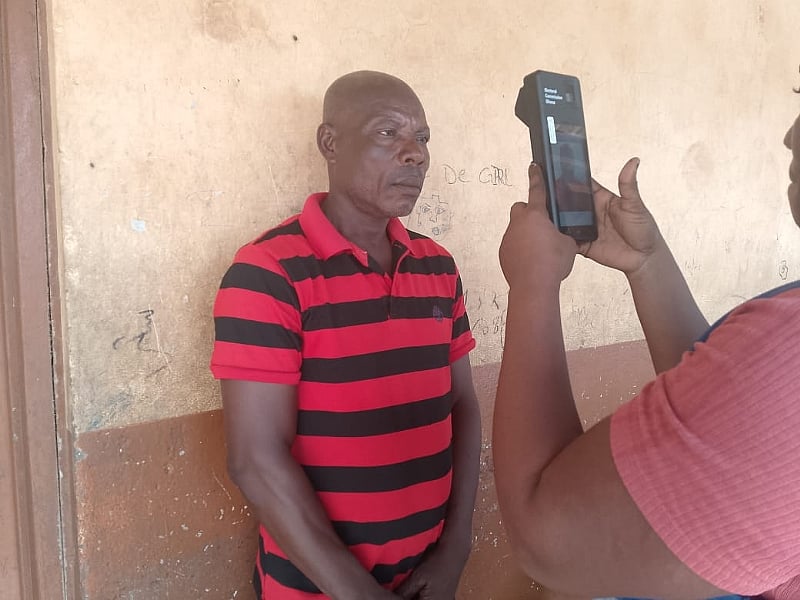
The electoral process in the Tema East Constituency encountered several technical and logistical challenges, leading to voting delays and frustration among some voters. The primary issues revolved around voter identification and verification, specifically relating to the voter register and biometric verification devices. At the Oninku Drive School Polling Station in Community One, a significant number of voters were unable to cast their ballots promptly because their names were missing from the register. This prevented electoral officials from verifying their eligibility, causing considerable delays and raising concerns about the integrity of the electoral process. Similar problems with the voter register were reported at other polling stations within the constituency, highlighting a potential systemic issue.
Furthermore, technical difficulties with the biometric verification devices compounded the challenges. At the Tema Manhean Anglican Primary School polling station, electoral officials struggled to capture voters’ fingerprints and facial recognition data. This technical glitch disproportionately affected elderly voters, who often experience difficulty with biometric systems due to age-related factors such as worn fingerprints or changes in facial features. The delays caused by these technical malfunctions led to frustration and inconvenience for the affected voters, some of whom expressed their dissatisfaction with the situation. The combination of missing names in the register and malfunctioning biometric devices created a bottleneck in the voting process, potentially disenfranchising eligible voters.
The presiding officer at the Presby Church Oninku Drive polling station, Mr. Prince Oppong, acknowledged the issue of missing names in the register and confirmed that he had alerted the Returning Officer for the Tema East constituency about the problem. This suggests that the issue was not isolated to a single polling station but rather affected multiple locations within the constituency. The prompt notification to the Returning Officer indicates an attempt to address the problem quickly and ensure that eligible voters were not disenfranchised. The nature of the issue, however, raised questions about the preparation and accuracy of the voter register, a crucial element in ensuring a free and fair election.
The Tema Metropolitan Electoral Officer, Mr. Manasseh Ofosuhene Asante, intervened to resolve the issue at the Presby Church Oninku Drive polling station by personally delivering a corrected voter register. He explained that the missing names were not a result of a systemic problem but rather a printing error. This clarification aimed to allay concerns about the integrity of the electoral system and reassure voters that the issue was not indicative of a wider problem. Mr. Asante also mentioned that a similar issue had been reported and resolved at another polling station, suggesting that the printing error might have affected multiple copies of the register.
The swift action taken by Mr. Asante to address the issue demonstrates a commitment to ensuring the smooth running of the electoral process. By personally delivering the corrected register, he prioritized the enfranchisement of the affected voters and minimized further delays. His explanation of the issue as a printing error, while plausible, underscores the importance of meticulous preparation and quality control in the production of electoral materials. Any errors, however seemingly minor, can have significant consequences for the voting process and the overall credibility of the election.
The challenges experienced in the Tema East Constituency highlight the complexities of managing elections in a technologically driven environment. While biometric verification and electronic voter registers offer potential benefits in terms of accuracy and efficiency, they also introduce new vulnerabilities. Technical malfunctions, data entry errors, and logistical challenges can disrupt the voting process and disenfranchise eligible voters. The incidents in Tema East underscore the need for robust contingency plans, thorough testing of equipment and systems, and well-trained electoral officials to mitigate such risks and ensure the integrity of the electoral process. These incidents also raise questions about the quality control measures in place for the printing and distribution of voter registers and the need for effective communication channels to quickly address any emerging issues.