









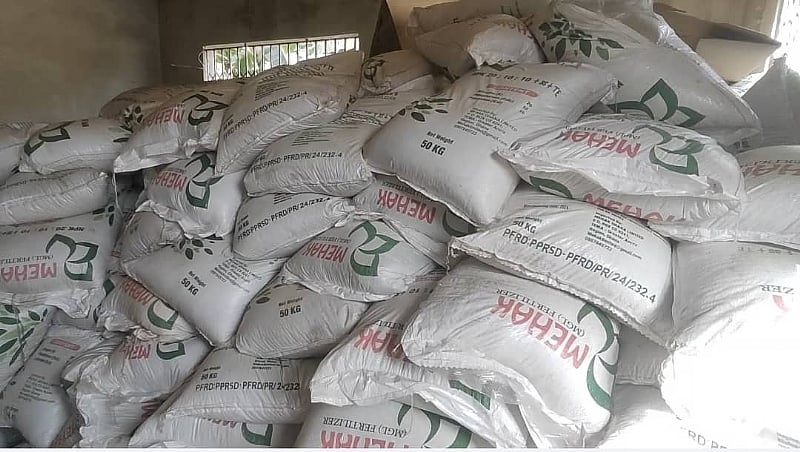
The discovery of government-subsidized fertilizers stored in the residence of the District Chief Executive (DCE) of Fomena, Eric Kwaku Kusi, just two days before the 2024 elections ignited a political controversy in Ghana’s Ashanti Region. The fertilizers, intended for distribution to farmers to boost agricultural production and reduce food costs, were allegedly kept at the DCE’s residence at the behest of the Member of Parliament for Fomena, Andrew Asiamah, who also serves as the Second Deputy Speaker of Parliament. Asiamah claimed the fertilizers, meant for his campaign activities, arrived late, necessitating their temporary storage at the DCE’s house until they could be distributed after the elections. This explanation, however, was met with skepticism and accusations of hoarding by the opposition National Democratic Congress (NDC).
The incident unfolded amidst rising concerns over the potential misuse of government resources during the election period. The NDC Ashanti Regional Youth Organizer, Osman Nabali, connected the discovery to a larger pattern of alleged hoarding, citing a similar incident the previous week where over 10,000 bags of fertilizer were found in uncompleted buildings in Sokoban and Danyame residential areas. Nabali asserted that these discoveries were the result of credible intelligence received by the NDC. He directly accused individuals within the outgoing government of deliberately sabotaging the incoming administration by withholding essential agricultural inputs, anticipating selling them later at inflated prices.
The NDC’s accusations painted a picture of calculated political maneuvering aimed at undermining the new government’s ability to address critical issues like food security and agricultural development. Nabali’s statements emphasized the detrimental impact of such practices on farmers, who were being denied access to crucial resources meant to support their livelihoods and contribute to national food production. He argued that the alleged hoarding contradicted the government’s stated objective of bolstering agriculture and ensuring affordable food for the populace. Instead, it prioritized personal gain over the national interest, potentially exacerbating economic hardship for both farmers and consumers.
The Second Deputy Speaker, Asiamah, confirmed ownership of the fertilizers in a phone conversation with the NDC security team that visited the DCE’s residence. However, he refrained from providing further details about the circumstances surrounding the storage. This reticence fueled suspicions and amplified the NDC’s claims of impropriety. The NDC raised questions about the ownership of the premises where the fertilizers were stored, insinuating a potential conflict of interest or an attempt to conceal the true nature of the situation. The lack of transparency surrounding the storage arrangements further fueled public speculation and intensified the political fallout.
The NDC framed the incident as a blatant betrayal of public trust and a deliberate attempt to create artificial scarcity, ultimately harming the Ghanaian economy and its citizens. Nabali’s pronouncements underscored the severity of the allegations, portraying the alleged hoarding as a calculated scheme to cripple the incoming government’s ability to manage the agricultural sector effectively. By withholding fertilizers meant for farmers, the outgoing administration was accused of jeopardizing food security and creating an environment conducive to price gouging, thereby burdening ordinary citizens.
The discovery of the fertilizers in Fomena sparked calls for immediate action and a thorough investigation into the matter. The NDC demanded accountability from those involved and urged the incoming administration to prioritize the protection of government resources. Nabali emphasized the need to extend the investigation beyond the immediate incident to uncover any similar practices occurring elsewhere in the country. He positioned the issue as transcending partisan politics, emphasizing the importance of safeguarding Ghana’s interests and ensuring that resources intended for public benefit are used responsibly and transparently. The incident highlighted the broader concerns about potential corruption and the misuse of public funds, adding fuel to the ongoing political discourse surrounding accountability and good governance.









