





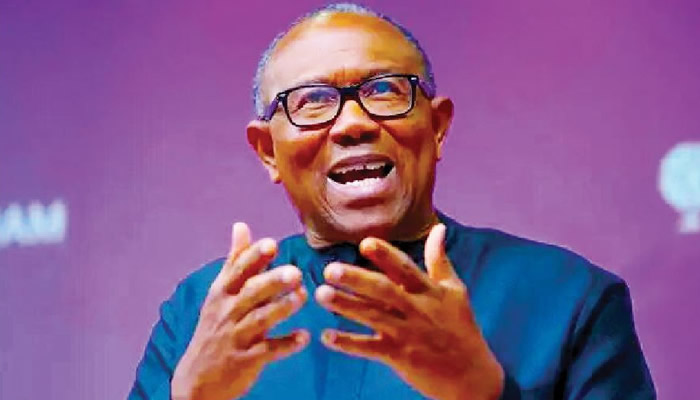
Peter Obi, the Labour Party’s 2023 presidential candidate, has strongly advocated for skill acquisition programs within Nigeria’s correctional facilities. He believes that empowering inmates, particularly the significant youth population within these institutions, with marketable skills is crucial for successful rehabilitation and their eventual reintegration into society. Obi argues that these programs would not only equip inmates to lead more productive lives upon release but would also contribute substantially to overall societal development by transforming potential burdens into contributing members of the community. He emphasized that skill development is an investment in human capital, reducing recidivism and fostering a more inclusive and productive society.
Obi’s call for skill acquisition programs is grounded in his belief that rehabilitation should be a central focus of the correctional system. Rather than simply warehousing individuals, he envisions these facilities as centers for personal and professional transformation. By providing inmates with the tools and training necessary to acquire valuable skills, they are empowered to break the cycle of crime and contribute meaningfully to the economy. This approach, he posits, aligns with a broader vision of societal progress that emphasizes human development and inclusive growth, ensuring that even those who have stumbled are given the opportunity to rebuild their lives and participate in nation-building.
Obi’s advocacy for these programs isn’t merely theoretical; it’s rooted in his firsthand observations. During a Christmas visit to the Nigerian Correctional Centre in Onitsha, he witnessed the positive impact of existing skill acquisition initiatives. He noted with satisfaction the operational Skill Acquisition Centre established through the efforts of Archbishop Valerian Okeke, where inmates were actively engaged in learning various trades. This practical demonstration of the program’s effectiveness further strengthened his conviction that such initiatives should be expanded and replicated across the country. He saw firsthand the potential for positive change within the inmates and recognized the tangible benefits for both individuals and society as a whole.
Obi’s endorsement of the Onitsha facility extended beyond skill acquisition to encompass broader educational opportunities. He commended the availability of the National Business and Technical Examinations Board (NABTEB) examinations within the center, as well as the establishment of a National Open University of Nigeria (NOUN) study center. He views access to education, both vocational and academic, as fundamental to human development and a crucial driver of national progress. He believes that education empowers individuals, broadens their horizons, and provides them with the knowledge and critical thinking skills necessary to thrive in a complex and evolving world.
Furthermore, Obi highlighted the importance of collaboration between government agencies, religious institutions, and educational bodies in facilitating these transformative programs. He specifically lauded Archbishop Okeke’s instrumental role in establishing and supporting the Onitsha facility, citing it as an exemplary model of collaborative effort. He urged the government to recognize the value of such partnerships and to actively seek opportunities to replicate these successful initiatives in correctional centers nationwide. This collaborative approach, he argues, leverages the strengths of various stakeholders, ensuring that inmates receive comprehensive support and guidance throughout their rehabilitation journey.
In essence, Peter Obi’s advocacy for skill acquisition programs in correctional facilities signifies a shift in perspective from punitive measures to a more restorative and rehabilitative approach. He envisions a correctional system that prioritizes human development and empowers inmates to become productive members of society. This approach, he believes, not only benefits the individuals involved but also contributes to a safer, more inclusive, and prosperous nation. By investing in the rehabilitation and reintegration of inmates, Obi argues, Nigeria can unlock the untapped potential of its citizens and build a more equitable and sustainable future.








