Ghana held a closely contested general election on Saturday, December 7, 2024, with the incumbent New Patriotic Party (NPP) striving to secure an unprecedented third consecutive term in office. Vice President Mahamudu Bawumia, the NPP’s presidential candidate, faced a formidable challenge from former President John Mahama of the National Democratic Congress (NDC). The election’s central theme revolved around Ghana’s struggling economy, which had experienced a debt default, soaring inflation, and a precarious reliance on a $3 billion IMF bailout. Voters were tasked with choosing a successor to President Nana Akufo-Addo, who was constitutionally barred from seeking re-election after serving two four-year terms. In addition to the presidential race, Ghanaians also cast their ballots for members of parliament.
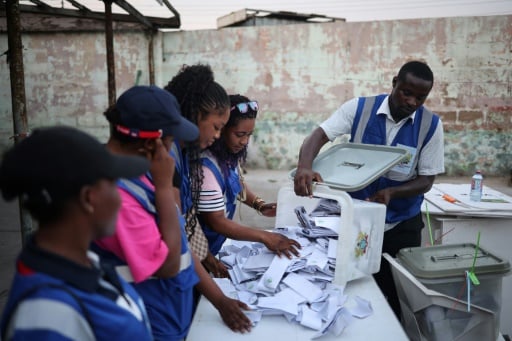
The election day proceedings were largely peaceful, although a tragic incident marred the otherwise smooth process. One person was fatally shot, and four others were apprehended at a polling station in Nyankpala, located in the northern region of the country. Following the closure of polling stations at 5:00 PM GMT, election officials promptly commenced the vote-counting process under the watchful eyes of representatives from various political parties. Preliminary results were anticipated early Sunday morning, with the official presidential results expected to be announced by Tuesday. The election was projected to be a tight race between the two dominant parties, the NPP and the NDC.
The pre-election atmosphere was charged with public discontent over the prevailing economic hardships. Many Ghanaians voiced concerns about the high cost of living, limited job opportunities, and the depreciation of the national currency, the cedi. Students, market traders, and ordinary citizens expressed their desire for change and a leader capable of addressing the economic challenges. The NPP, campaigning under the slogan “Break the 8,” aimed to defy historical precedent and secure a third term in office. However, Bawumia faced an uphill battle in distancing himself from the criticism directed at the Akufo-Addo administration’s economic performance.
Bawumia, a UK-educated economist and former central banker, highlighted the government’s efforts to stabilize the economy, emphasizing declining inflation rates and other positive macroeconomic indicators. He also touted the administration’s continued commitment to digitalization initiatives to facilitate business operations, as well as its investments in free education and healthcare programs. While inflation had decreased from over 50% to around 23%, the economic pain remained palpable for many Ghanaians. This pervasive frustration created an opportunity for Mahama to mount a comeback bid, promising to “reset” Ghana’s economy and introduce a “24-hour economy” to create jobs. He also pledged to renegotiate aspects of the IMF deal.
Mahama expressed confidence in his prospects, citing the perceived widespread dissatisfaction with the NPP’s governance. He characterized the Akufo-Addo-Bawumia administration’s performance as “abysmal,” suggesting that the electorate was yearning for a change in leadership. However, Mahama also faced scrutiny from critics who recalled economic difficulties and power outages during his previous presidency. Despite the economic challenges, some voters expressed willingness to give Bawumia an opportunity to improve the situation, acknowledging the government’s efforts while hoping for better outcomes. The economic situation, while dominant, was not the sole factor influencing the election.
Both Bawumia and Mahama hailed from the northern region of Ghana, traditionally an NDC stronghold, transforming the area into a key battleground. Beyond economic concerns, the country also grappled with the increasing threat of spillover from jihadist conflicts in neighboring Niger and Burkina Faso, both under military rule. The proliferation of illegal gold mining, with its detrimental environmental consequences and impact on cocoa production, also emerged as a significant election issue. Akufo-Addo had previously pledged to combat illegal mining, but the practice had continued to expand, posing a threat to water resources and agricultural lands.
The election highlighted the democratic tradition of Ghana, with two major parties alternating power since the restoration of multi-party democracy in 1992. This election, however, presented a unique challenge for the NPP, as it sought to break the established two-term pattern. The tight race reflected the electorate’s complex considerations, balancing economic anxieties with the candidates’ track records and promises for the future. The outcome promised significant implications for Ghana’s political landscape and the direction of the country’s economic policies. The election underscored the importance of economic stability, security concerns, and environmental protection in shaping the political discourse and influencing voter choices.