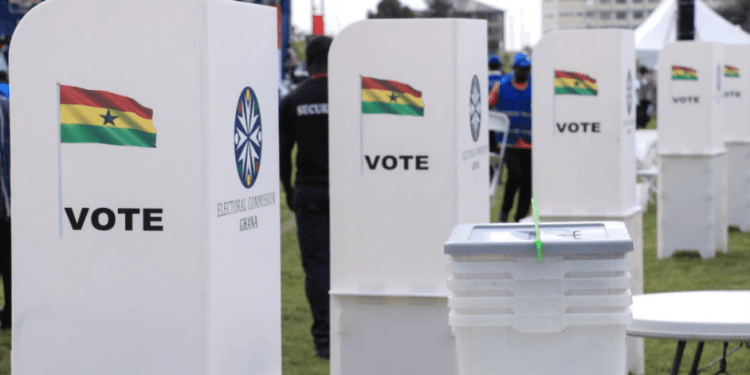
Voter apathy remains a significant challenge in every election cycle, representing a phase of disinterest and disengagement within a section of the populace. This phenomenon not only constitutes a block to higher voter turnout but also increases the possibility of invalid ballots being cast on election day. An analysis from the Electoral Commission (EC) indicates that in the 2020 parliamentary and presidential elections, Ghana achieved a voter turnout of 79%, with 13,434,857 out of 17,027,641 registered voters participating. This statistic reveals that a substantial number, approximately 3.6 million individuals, chose not to engage in the electoral process, raising questions about the potential for increased turnout in the upcoming December 7 elections. The current climate suggests that voter apathy may persist, largely shaped by the entrenched political divide between the ruling New Patriotic Party (NPP) and the opposition National Democratic Congress (NDC).
One of the core factors contributing to voter apathy in Ghana is the perception of stagnation within the electoral system. Many voters believe that both leading political parties offer similar platforms with little distinction between their governance, leading to disenchantment with the electoral process. A couple who have abstained from voting for years expresses this sentiment by stating that their lack of participation stems from the belief that elections do not yield meaningful results for the populace. This general sense of disillusionment is echoed by individuals like trader Ophelia Boateng, who cites a belief that both parties are fundamentally the same and that voting does not bring them personal benefits. The perceived ineffectiveness of electoral participation further underscores a growing sentiment among voters that their voices are not heard or valued in the political arena.
Testimonies from individuals who have previously participated in elections underline the frustrations many feel with the two dominant parties. For instance, Nana Yaw describes a history of disillusionment, citing experiences of policy failures and favoritism in public contracts. Such observations of systemic inequality and unaccountability amplify the call for change among voters. The prevailing attitude among many is that continued voting for established parties will not fulfill their needs or improve their circumstances. Therefore, it becomes increasingly challenging for political parties to galvanize interest and engagement among citizens who see little incentive to participate in a process they perceive as failing them.
Regional disparities in voter apathy have been further highlighted by reports from Global Info Analytics, pointing to particularly low intentions to vote in regions like Ashanti, Greater Accra, and Western Regions. In these areas, a significant percentage of residents have indicated a reluctance to engage in the electoral process, which threatens to have significant implications for both the NPP and NDC. The Electoral Commission has also noted concerning figures from regions like Central (78.6%), Bono (78.7%), and Greater Accra (70.8%), where there is notable ambivalence toward the electoral process. These statistics underscore the urgent need for political parties to understand and address the root causes of voter disengagement in these regions if they hope to encourage participation.
Efforts to combat voter apathy have been initiated by organizations such as the National Commission for Civic Education (NCCE), which has undertaken campaigns aimed at fostering civic engagement and electoral participation. Nonetheless, their initiatives often struggle due to a lack of cooperation from political parties, which may be hesitant to engage in outreach programs that could potentially challenge their grip on power. This reluctance can hinder broader efforts to increase voter turnout, leaving apathetic voters as a neglected yet critical demographic that, once mobilized, could dramatically alter the trajectory of the elections. As campaigns progress leading up to the December polls, it remains essential for all stakeholders to pivot their strategies and connect with citizens who feel disillusioned.
Ultimately, without a concerted effort to address the deep-seated issues associated with voter apathy, Ghana may face another election marked by low turnout and disengagement. The narrative that both the NPP and NDC do not represent the interests of average citizens must be countered with real and meaningful engagement that demonstrates the impact of voting. As the elections loom, fostering active participation among all citizens – especially the disenchanted voters – will be pivotal in reshaping how Ghanaians view their electoral processes and ensuring that their voices have a tangible impact on the outcome of the elections.